
 FAQs
FAQs Factory Tour



Marine propulsion systems require high levels of maneuverability, hydrodynamic efficiency, and operational reliability. Among the various propulsion arrangements available for modern commercial vessels, the diesel rudder propeller stands out as a highly versatile solution. Often referred to as an azimuth thruster when driven by a diesel prime mover, this system combines thrust generation and steering direction in a single, integrated unit. By allowing the propeller to rotate 360 degrees around its vertical axis, vessels can direct thrust in any direction, rendering traditional rudders obsolete for many specific operations.
For shipyards, fleet operators, and marine engineering firms, selecting and maintaining these propulsion units requires a deep understanding of mechanical design, power transmission efficiency, and component manufacturing standards. High-precision manufacturing remains a core requirement for ensuring the longevity of these complex assemblies, where heavy structural loads and continuous hydrodynamic forces interact.
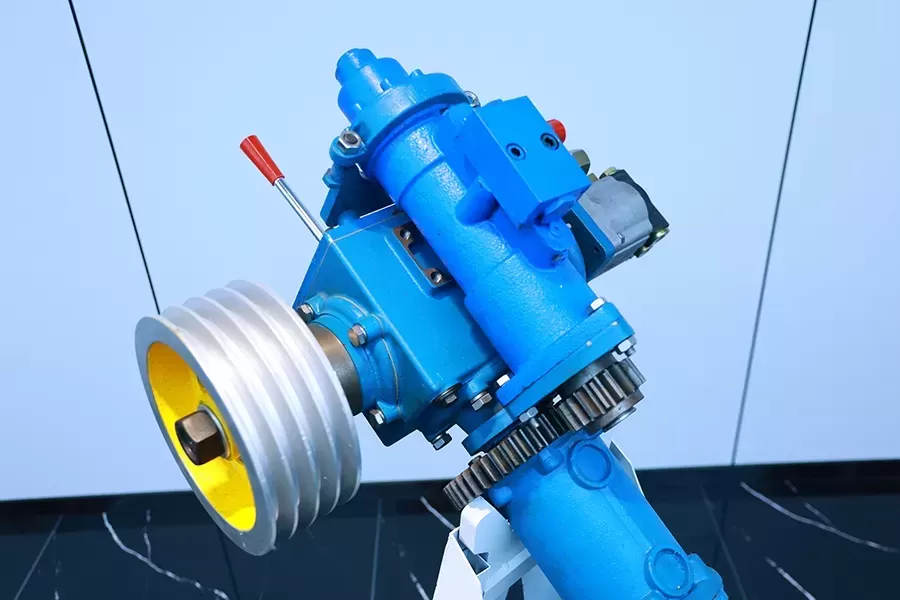
Mechanical Architecture of the Diesel Rudder Propeller
The core design of a diesel rudder propeller relies on a mechanical drivetrain that transfers rotational energy from a horizontally mounted diesel engine to a propeller shaft that is often oriented horizontally but can be adjusted. This complex transfer of power requires a series of gear sets, shafts, and bearings designed to withstand high torque and rotational forces.
Power Transmission and the Z-Drive Configuration
Most diesel rudder propeller systems utilize a Z-drive configuration. In this arrangement, the horizontal power output from the diesel engine is transmitted through a flexible coupling to an upper gearbox. Inside this upper gearbox, a set of spiral bevel gears changes the rotational direction by 90 degrees, sending the power down a vertical shaft housed within the steering column.
At the bottom of the column, inside the underwater housing (often called the lower gearbox or pod), a second set of spiral bevel gears changes the direction of rotation by another 90 degrees to drive the propeller shaft. This double 90-degree transmission path creates a "Z" shape, hence the name. The precision of these gear sets is vital; even minor misalignments can lead to accelerated wear, excessive heat generation, and eventual mechanical failure. The tooth contact patterns of the bevel gears must be calculated and machined with extreme accuracy to handle both continuous operation and sudden torque spikes.
Steering and Azimuth Mechanics
The steering function is achieved by rotating the entire lower housing, including the vertical shaft and the propeller, through a full 360-degree circle. This rotation is driven by a steering gear assembly located inside the vessel's hull, typically consisting of hydraulic motors or electric drives connected to a large slewing bearing.
Because the lower unit rotates while the diesel engine remains stationary, the vertical transmission shaft must be able to spin independently of the steering rotation. Hydraulic rotary joints or electrical slip rings are integrated into the upper assembly to allow steering commands, lubrication oil, and monitoring signals to pass between the rotating thruster and the stationary vessel hull without interruption. The response speed of this steering mechanism directly dictates the vessel’s dynamic positioning capabilities and overall harbor maneuverability.
Hydrodynamic Efficiency and Nozzle Configurations
The performance of a diesel rudder propeller is not merely a function of mechanical power transfer; it is heavily influenced by the hydrodynamic design of the underwater housing and the propeller itself. Depending on the vessel's operating profile, different propeller and nozzle designs are deployed to balance thrust and speed.
The Role of the Kort Nozzle
For vessels that require high bollard pull at low speeds, such as tugboats, barges, and offshore construction vessels, the propeller is typically enclosed within a duct, commonly known as a Kort nozzle. The nozzle is designed with an airfoil cross-section that accelerates water flow through the propeller plane, increasing overall thrust at low operational speeds.
At low speeds, a ducted diesel rudder propeller can produce up to 30% more thrust than an open propeller of the same diameter and input power. This efficiency gain occurs because the nozzle manages the tip vortices of the propeller blades, reducing energy loss. However, as vessel speed increases, the drag of the nozzle itself begins to offset these benefits. For faster vessels, such as passenger ferries or cargo ships, open propeller configurations are generally preferred to minimize hydrodynamic drag at higher cruising speeds.
Controllable Pitch vs. Fixed Pitch Propellers
Engineers must also choose between fixed pitch propellers (FPP) and controllable pitch propellers (CPP) when designing a diesel rudder propeller system. FPP systems are mechanically simpler, more robust, and cost-effective to manufacture. They rely on the diesel engine's variable speed to regulate thrust, which can sometimes limit response times and low-speed control.
CPP systems allow the angle of the propeller blades to change while the engine runs at a constant, optimal speed. This provides instantaneous thrust reversal and highly precise control at very low speeds, which is highly beneficial for dynamic positioning. The trade-off lies in the increased mechanical complexity of housing the pitch-control hydraulics inside the rotating lower gearbox hub, demanding highly advanced sealing systems to prevent seawater contamination.
Operational Challenges and Engineering Solutions
Operating a diesel rudder propeller in harsh marine environments introduces several engineering challenges. Addressing these issues requires a combination of robust mechanical design, high-grade materials, and proactive maintenance strategies.
Torsional Vibration: Diesel engines produce pulsating torque, which can excite torsional vibration modes within the long drivetrain of a Z-drive system. If left unmanaged, these vibrations can cause fatigue failure in gears, shafts, and couplings. High-elasticity couplings are placed between the engine flywheel and the input shaft to damp these vibrations and protect the downstream drivetrain components.
Shaft Sealing Integrity: The lower gearbox operates entirely submerged in seawater, often at significant depths where hydrostatic pressure is high. At the same time, the gearbox contains lubricating oil under pressure. Reliable rotary shaft seals, often utilizing multiple lip seals with intermediate oil chambers, are necessary to prevent seawater from entering the gearbox and oil from leaking into the marine environment.
Structural Load Distribution: The steering column and slewing bearing must support the entire thrust generated by the propeller, transferring these massive forces into the vessel's hull structure. This requires heavy-duty housing designs, usually cast from high-strength ductile iron or fabricated from heavy structural steel, machined to exceptionally tight tolerances to ensure even load distribution across the bearings.
Key Applications Across Modern Commercial Vessels
The unique performance characteristics of the diesel rudder propeller make it the preferred choice for a wide variety of vessel types where maneuvering capability and space utilization are prioritized over high transit speeds.
Tugboats and Escort Vessels
Harbor tugs must operate in tight spaces, pushing and pulling large container ships and bulk carriers. A diesel rudder propeller configuration allows a tug to apply full thrust in any direction—sideways, diagonally, or astern—without having to turn the vessel itself. This multidirectional thrust is vital for maintaining control during escort operations in heavy seas or narrow channels.
Inland Waterway Barges and Cargo Vessels
Inland rivers present challenges such as shallow drafts, tight bends, and strong currents. Vessels equipped with a diesel rudder propeller can navigate these waterways with greater precision, reducing the risk of groundings or collisions with bridge piers. The ability to direct thrust directly toward the riverbank helps in maneuvering through locks and docking without tug assistance.
Offshore Support and Research Vessels
Offshore supply vessels, dive support ships, and oceanographic research vessels often rely on dynamic positioning (DP) systems to maintain a fixed station over a specific point on the seabed. Integrating multiple diesel rudder propeller units with DP software allows for precise, automated position-holding against wind, waves, and ocean currents, enabling safe subsea operations.
Integrating Precision Engineering: The BAINENG CNC Approach
The manufacturing quality of the internal components of a diesel rudder propeller directly dictates its field reliability and service life. High-speed gears, heavy-duty shafts, and precision-engineered housings must endure millions of cycles under variable loads. This is where advanced manufacturing technologies play a key role.
By leveraging advanced machining technologies, [BAINENG CNC] produces critical components for marine propulsion drives, ensuring they meet the stringent tolerances demanded by global classification societies. The machining of spiral bevel gears, for example, requires multi-axis CNC milling and grinding equipment to achieve the exact profile geometries necessary for quiet, efficient power transmission. Additionally, the large-diameter housings and steering columns require heavy-duty vertical boring mills and horizontal machining centers to maintain perfect concentricity across bearing seats, preventing shaft misalignment and premature seal wear. Through strict quality control and advanced metrology, the structural integrity of every machined component is verified to withstand the demanding conditions of marine operations.
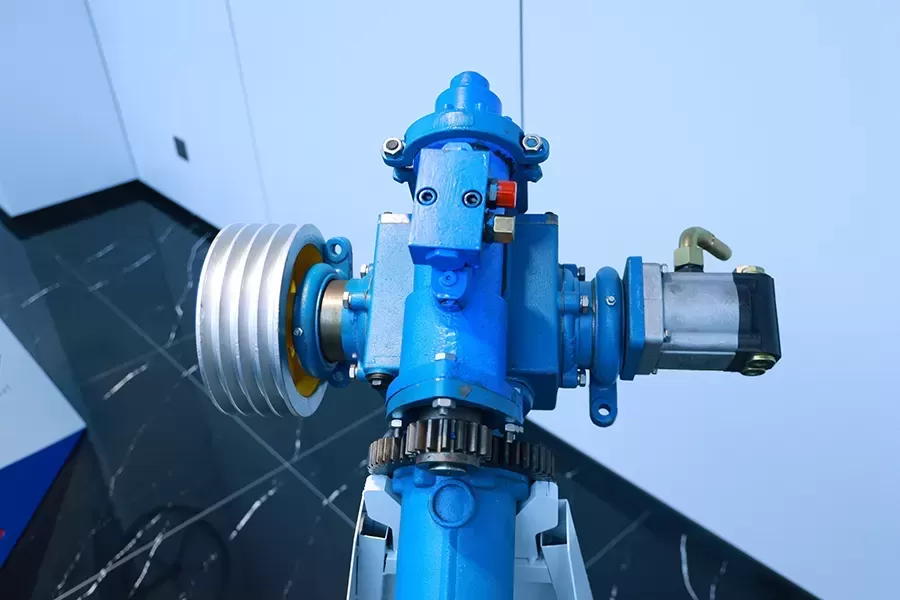
Comparative Evaluation: Diesel Rudder Propeller vs. Conventional Shaft Lines
When designing a new vessel, naval architects must weigh the benefits of steerable thrusters against traditional shaft, propeller, and rudder installations. The table below outlines the primary engineering differences between these two approaches:
| Feature / Parameter | Diesel Rudder Propeller | Conventional Shaft Line & Rudder |
|---|---|---|
| Maneuverability | Exceptional; 360-degree vector thrust provides omnidirectional control. | Moderate; relies on water flow over the rudder, less effective at low speeds. |
| Space Utilization | Compact; eliminates the need for long horizontal shaft tunnels and steering gear rooms. | Requires substantial internal hull space for engine alignment, shafts, and rudder actuators. |
| Mechanical Complexity | High; involves multiple bevel gear sets, steering bearings, and rotary seals. | Low; direct drive from engine to propeller with fewer rotating wear parts. |
| Hydrodynamic Drag | Higher at high speeds due to the larger underwater housing projection. | Lower; streamlined shaft brackets and rudders minimize high-speed drag. |
| Installation Time | Fast; often delivered as a pre-tested, modular "drop-in" unit for the shipyard. | Slow; requires precise alignment of the engine, intermediate shafts, and stern tube in-situ. |
While conventional shaft lines remain highly efficient for long-haul, open-ocean transit where maneuvering is limited, the modularity and control of the diesel rudder propeller make it highly advantageous for vessels operating in complex, crowded, or dynamic environments.
Frequently Asked Questions (FAQ)
Q1: What are the main maintenance requirements for a diesel rudder propeller?
A1: Scheduled maintenance focuses on monitoring gear oil quality, checking for water contamination, replacing shaft seals at specified intervals, and inspecting the slewing bearings and hydraulic steering components. Regular vibration analysis is also recommended to detect gear or bearing wear before a major failure occurs.
Q2: Can a diesel rudder propeller be installed on shallow-draft vessels?
A2: Yes, there are specialized shallow-draft versions available. These units often feature smaller propeller diameters housed in custom tunnels or nozzles, or they are designed to be vertically retractable, allowing the vessel to operate in shallow rivers and harbors without risking damage to the propulsion unit.
Q3: How does the fuel efficiency of a diesel rudder propeller compare to electric azimuth thrusters?
A3: A direct diesel drive avoids the energy conversion losses associated with diesel-electric systems (which convert mechanical energy to electrical energy, then back to mechanical). However, diesel-electric setups can be more efficient on vessels with highly variable power demands, as they allow auxiliary generators to be switched off when not needed. For continuous, high-load transit, the direct diesel drive is generally more efficient.
Q4: What materials are typically used for the underwater housing of these thrusters?
A4: The underwater housing is typically cast from high-tensile ductile iron or cast steel, which offers a good balance of strength, impact resistance, and corrosion fatigue resistance. External surfaces are further protected by multi-layer marine epoxy coatings and sacrificial anodes or impressed current cathodic protection (ICCP) systems.
Q5: What is the average service life of a diesel rudder propeller unit?
A5: With proper maintenance and regular oil analysis, the structural housing and major shafting can last the lifetime of the vessel (often 20 to 25 years). However, wearable components such as seals, bearings, and gears typically require inspection, reconditioning, or replacement every 5 to 10 years, depending on the severity of the operating conditions.
Project Consultation and Engineering Inquiries
Selecting the appropriate propulsion configuration involves analyzing vessel dynamics, load cycles, and structural requirements. Our engineering team is available to assist shipyards, fleet managers, and marine designers in sourcing high-precision components and custom propulsion solutions that align with exact operational parameters.
For detailed technical specifications, component manufacturing capabilities, or to discuss an upcoming vessel integration project, please submit a formal inquiry to our engineering office. We will review your project requirements and provide a comprehensive technical assessment.