
 FAQs
FAQs Factory Tour



Industrial glass processing demands precision, repeatability, and throughput. When procurement teams evaluate a glass etching machine for sale, the decision extends far beyond the initial purchase price. The equipment must align with production targets, material specifications, and long-term operational budgets. This article examines the core parameters, application scenarios, and selection criteria that define high-performance glass etching systems, providing a reference for engineers and facility managers involved in capital equipment acquisition.
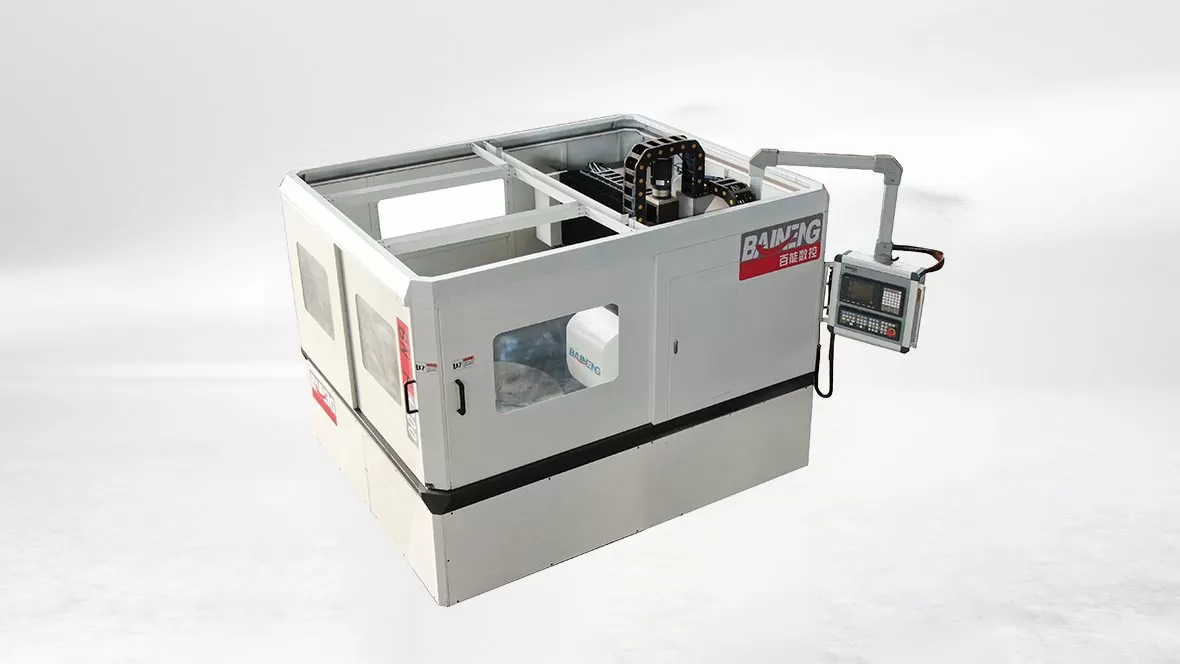
Glass Etching Technologies: Mechanical, Laser, and Abrasive Methods
Glass etching encompasses several distinct processes, each with advantages and limitations. Understanding these methods is the first step in selecting appropriate equipment.
Mechanical Engraving with CNC Routers
CNC-controlled mechanical engraving uses diamond-tipped or carbide tools to remove material from the glass surface. This method produces consistent, deep cuts with excellent edge definition. Mechanical systems handle thick glass panels, automotive glazing, and architectural components. Spindle power, tool geometry, and cooling strategies directly influence surface finish and tool life. Modern CNC etching machines integrate automatic tool changers and in-process measurement systems to maintain tolerances within ±0.01 mm over large work areas.
Laser Etching and Ablation
CO₂ and fiber laser systems offer contactless processing, eliminating tool wear and mechanical stress on the workpiece. Laser etching suits high-detail applications such as barcodes, QR codes, and decorative patterns on thin glass substrates. The process relies on precise control of power density, pulse duration, and scan speed to achieve consistent mark depth without micro-cracking. Laser systems require careful management of heat-affected zones, particularly on tempered or coated glass.
Sandblasting and Chemical Etching
Abrasive blasting uses compressed air to propel fine particles against the glass surface, creating a frosted or matte finish. This method is cost-effective for large-area texturing but offers limited resolution compared to mechanical or laser etching. Chemical etching employs hydrofluoric acid or other reactive compounds to dissolve glass selectively. While suitable for high-volume production of uniform patterns, chemical processes introduce handling and disposal challenges that many facilities seek to avoid.
For most industrial operations, mechanical CNC etching provides the best balance of precision, versatility, and operating cost. A glass etching machine for sale from reputable manufacturers typically offers multiple tooling options and programmable parameters to accommodate diverse production runs.
Key Specifications for a Glass Etching Machine for Sale
When comparing equipment, buyers must examine a set of performance metrics that directly affect production quality and efficiency.
Spindle Speed and Torque
Spindle speed determines the cutting velocity and surface finish. High-speed spindles (up to 60,000 RPM) enable fine detail work with small-diameter tools, while lower speeds with higher torque are required for deep engraving and aggressive material removal. The optimal speed range depends on glass hardness, tool coating, and desired depth of cut. Variable-speed drives allow operators to adjust parameters dynamically during the job.
Positioning Accuracy and Repeatability
Closed-loop servo systems with linear encoders achieve positioning accuracy of ±0.005 mm or better. Repeatability—the ability to return to a programmed position consistently—is equally important for multi-pass operations and jobs that require alignment with pre-existing features. Machine frame rigidity, guide rail quality, and thermal compensation algorithms all contribute to maintaining dimensional stability across long production shifts.
Worktable Size and Load Capacity
Worktable dimensions must accommodate the largest glass panels in the production mix. Standard sizes range from 600 mm × 600 mm for small decorative items to 2,500 mm × 3,000 mm for architectural glass. Load capacity, typically measured in kilograms per square meter, determines the maximum thickness and weight the table can support without deflection. T-slot or vacuum-based workholding systems provide secure fixturing for various part geometries.
Control System and Software Compatibility
Modern etching machines use industrial PC-based controllers with intuitive user interfaces. Look for systems that support standard G-code and accept CAD/CAM files from major software platforms. Advanced controllers offer toolpath simulation, collision detection, and adaptive feedrate control. Network connectivity enables remote monitoring, job scheduling, and integration with MES (Manufacturing Execution Systems) for streamlined production management.
Industrial Applications of Glass Etching Equipment
Glass etching serves a wide range of industries, each with unique requirements for precision, throughput, and surface quality.
Architectural and Interior Glass: Patterned glass for partitions, facades, and decorative panels. Etched designs provide privacy while allowing light transmission. Depth control is important to achieve consistent visual effects across large panels.
Automotive Glass: Windshield markings, heater grid patterns, and decorative trim. Automotive applications demand high throughput and excellent edge quality to prevent stress fractures in tempered glass.
Electronics and Display Glass: Thin glass substrates for touchscreens, cover lenses, and display panels. Precision etching creates fine circuitry, alignment marks, and edge features with micron-level tolerances.
Laboratory and Scientific Glass: Microfluidic channels, cell culture surfaces, and optical components. Chemical resistance and surface roughness control are critical parameters for these applications.
Giftware and Decorative Items: Personalized glassware, awards, and commemorative plaques. This segment values design flexibility, fast setup, and the ability to produce small batches economically.
Each application imposes specific demands on the etching system. A glass etching machine for sale should be evaluated against the actual production mix, not just the most demanding job. Versatility across multiple product types often justifies a higher initial investment.
Production Efficiency and Cost Considerations
Beyond the machine price, operating costs determine the total cost of ownership over the equipment's life cycle. Buyers should examine several factors when projecting long-term expenses.
Throughput and Cycle Times
Cycle time includes rapid traverse, cutting, tool changes, and part loading/unloading. Machines with higher axis acceleration and faster spindle response reduce non-productive time. For high-volume production, the difference of a few seconds per cycle translates into significant annual output differences. Evaluate the machine's ability to maintain consistent cycle times across extended production runs without thermal drift or mechanical degradation.
Tooling and Consumables
Diamond tooling represents a recurring expense. Tool life depends on cutting parameters, glass composition, and coolant effectiveness. Some systems use tool condition monitoring to predict wear and schedule replacements, reducing unplanned downtime. Consumables include coolant, filters, and dust extraction media. Choose a machine with readily available consumables and standardized tooling interfaces to avoid dependence on proprietary suppliers.
Energy Consumption
Spindle motors, axis drives, coolant pumps, and control systems all draw power. High-efficiency servo motors and regenerative braking reduce energy consumption. Consider the machine's standby power draw as well, particularly for facilities operating multiple shifts with intermittent production.
Equipment from BAINENG CNC integrates energy-efficient components and intelligent power management, helping facilities control operational expenses while maintaining production targets. Their systems are designed with modular architectures that simplify upgrades and reduce maintenance downtime.
Quality Control and Defect Prevention
Consistent product quality requires robust process monitoring and defect prevention strategies. Modern etching machines incorporate several features to minimize waste and rework.
In-process measurement: On-machine probing and vision systems verify dimensions and surface quality without removing parts from the worktable.
Automatic tool compensation: The control system adjusts tool offsets based on measured tool wear, maintaining consistent depth and width across the production run.
Coolant management: Proper coolant flow and temperature control prevent thermal distortion and flush chips away from the cutting zone, reducing tool wear and improving surface finish.
Environmental monitoring: Some systems track ambient temperature and humidity, making automatic adjustments to compensate for thermal expansion of the machine structure.
These features reduce the likelihood of defects reaching final inspection, lowering scrap rates and improving first-pass yield. When evaluating a glass etching machine for sale, inquire about the availability of these quality assurance capabilities and their integration into the standard control package.
Equipment Selection: Factors Beyond the Price Tag
The purchase decision involves more than comparing specifications and price. Several qualitative factors influence long-term satisfaction with the equipment.
After-Sales Support and Training
Comprehensive training for operators and maintenance staff ensures the machine performs to its potential from the first production day. Look for suppliers that provide on-site installation support, documentation, and ongoing technical assistance. Remote diagnostic capabilities allow service engineers to troubleshoot issues without dispatching personnel, reducing downtime.
Spare Parts Availability
Critical components such as spindles, drives, and controllers may require replacement over the machine's lifetime. Verify that spare parts are readily available and that the supplier maintains inventory for legacy systems. Long lead times for replacement parts can offset the initial savings from a lower-priced machine.
Upgrade Path and Future-Proofing
Production requirements evolve over time. Choose a machine architecture that accommodates future upgrades—additional axes, higher spindle power, or enhanced automation. Modular designs allow facilities to extend capability without replacing the entire system. BAINENG CNC offers scalable platforms that support incremental upgrades, protecting the capital investment against obsolescence.
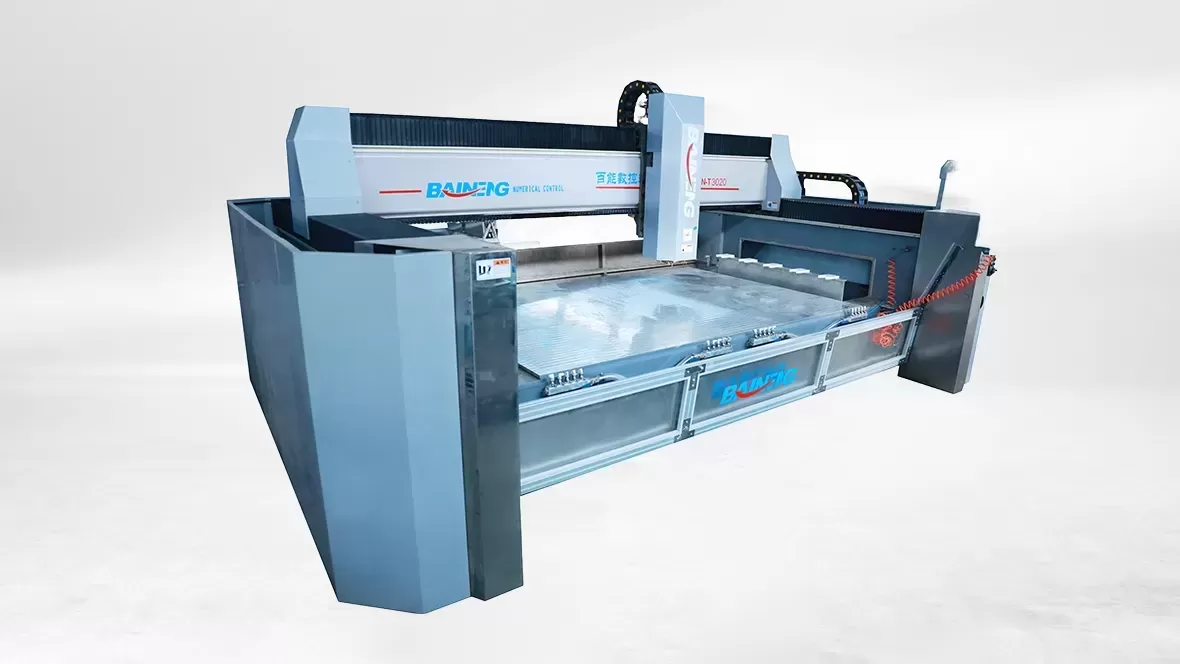
Maintenance Practices for Long-Term Reliability
Regular maintenance preserves accuracy and extends service life. A structured program addresses mechanical, electrical, and software components.
Lubrication: Linear guides, ball screws, and spindle bearings require periodic lubrication according to the manufacturer's schedule. Use recommended lubricants to prevent premature wear.
Coolant system maintenance: Monitor coolant concentration, pH level, and cleanliness. Replace filters and clean tanks to prevent bacterial growth and maintain cooling efficiency.
Calibration: Annual calibration of axes, spindle, and measurement systems ensures the machine continues to meet specification. Maintain records of calibration results to track performance trends.
Software updates: Keep control software and firmware current to benefit from bug fixes, performance improvements, and new features.
Daily inspections: Visual checks for leaks, loose fasteners, and abnormal noise can catch issues before they escalate into major failures.
Facilities that implement a proactive maintenance program typically achieve higher uptime and lower repair costs compared to reactive approaches. Documentation of maintenance activities supports quality audits and provides a history for asset management.
Frequently Asked Questions
What is the typical accuracy of a modern CNC glass etching machine?
High-end systems achieve positioning accuracy of ±0.005 mm with repeatability of ±0.003 mm. Actual performance depends on machine rigidity, environmental conditions, and workpiece material. Regular calibration and compensation routines maintain these tolerances over the machine's life.
How does glass thickness affect etching parameters?
Thicker glass requires lower spindle speeds and higher feed rates to prevent tool chatter and thermal stress. Depth of cut per pass should be reduced for brittle materials. Operators adjust stepover and cutting speed based on the specific glass composition and thickness to achieve the desired surface quality without edge chipping.
What safety features should a glass etching machine include?
Enclosures with interlocked doors prevent operator access during automatic cycles. Light curtains or area scanners provide additional protection. Emergency stop buttons, spindle overload protection, and coolant overflow sensors are standard on industrial-grade equipment. Dust extraction systems reduce airborne glass particulate levels in the work environment.
Can a single etching machine handle both flat and curved glass?
Standard machines process flat panels only. Curved glass requires specialized fixturing and sometimes additional axes to maintain tool orientation relative to the workpiece surface. Manufacturers offer options for rotary axes or custom workholding to accommodate curved parts, but these configurations increase complexity and cost.
What is the expected service life of a glass etching machine?
With proper maintenance, a well-built CNC etching machine operates for 10 to 15 years or more. Key components such as spindles and drives may require replacement during this period. The control system and software may need upgrades to maintain compatibility with evolving production requirements. Machine structure and guide rails typically remain serviceable for the full life of the equipment.
How do I choose between mechanical and laser etching for my application?
Mechanical etching provides deeper cuts, better edge definition, and handles thicker materials. Laser etching offers faster processing for fine details and works well on thin, heat-sensitive substrates. The decision depends on material thickness, production volume, and required surface finish. Many facilities use both technologies to cover a broader range of jobs.
What type of training is provided with a new etching machine?
Suppliers typically offer on-site training covering operation, programming, maintenance, and safety. Training duration ranges from two to five days depending on machine complexity. Some manufacturers provide additional online resources and refresher courses. Ensure the training program addresses your specific production scenarios.
Are there financing options available for capital equipment purchases?
Many equipment suppliers partner with financing companies to offer lease or loan programs. Operating leases preserve working capital and provide predictable expenses. Capital leases with purchase options may be more suitable for facilities planning to own the equipment long-term. Discuss financing alternatives with the supplier during the quotation process.
For inquiries about specifications, pricing, or configuration of a glass etching machine for sale, contact the BAINENG CNC sales team at kobexu@bai-neng.com or call +86-123-4567-8900. Their engineering staff provides application assessments and customized solutions for diverse glass processing requirements.