
 FAQs
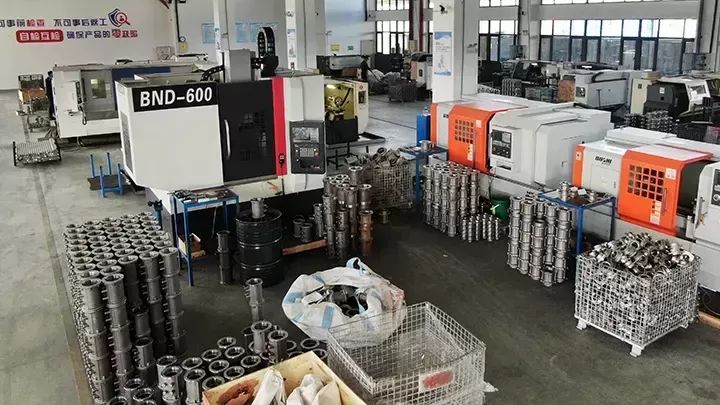
FAQs Factory Tour



The adoption of laser cutter glass engraving technology has transformed how manufacturing facilities, architectural studios, and specialty fabrication shops approach glass decoration and functional marking. Unlike conventional mechanical engraving methods that introduce micro-fractures and stress points, modern laser systems deliver controlled energy delivery that preserves structural integrity while achieving sub-millimeter detail. For procurement managers and production engineers evaluating capital equipment investments, understanding the technical nuances of laser glass interaction, system architecture, and long-term operational costs is essential for making informed decisions that align with production targets and quality standards.
Industrial laser engraving of glass presents distinct challenges that differentiate it from metal or polymer processing. The amorphous structure of glass, combined with its thermal conductivity and fracture toughness, demands precise control over pulse duration, wavelength selection, and energy density. A properly specified laser cutter glass engraving system balances these parameters to produce consistent results across varying glass compositions, from soda-lime float glass to borosilicate and lead crystal grades.
The Physics of Laser-Glass Interaction
Successful glass engraving with laser systems relies on understanding the material response to photon energy. Glass absorbs laser radiation primarily through multiphonon absorption and defect-mediated processes, with the absorption coefficient varying significantly across wavelengths. Carbon dioxide lasers operating at 10.6 micrometers deliver energy that is strongly absorbed by the silicon-oxygen bond network, creating localized heating that induces micro-cracking and spallation. This thermal mechanism produces frosted, opaque markings that are characteristic of traditional CO₂ engraving.
Ultrafast laser systems, including picosecond and femtosecond sources, operate on fundamentally different principles. These systems deliver energy pulses shorter than the electron-phonon coupling time, generating nonlinear absorption that modifies the glass structure without significant heat diffusion. The resulting modifications can produce subsurface volumetric marks, refractive index changes, and even colored patterns through nanostructure formation. When selecting a laser cutter glass engraving platform for high-precision applications, the pulse duration and peak power density directly determine the achievable feature resolution and the range of mark types possible.
Wavelength selection remains a critical decision point. While 10.6 µm CO₂ lasers dominate the entry-level and mid-range industrial engraving segment, 1064 nm fiber lasers with short-pulse capabilities offer advantages in speed and marking depth control. The 532 nm and 355 nm harmonics of Nd:YAG lasers provide even shorter absorption depths, enabling high-contrast surface marking with minimal heat-affected zones. Each wavelength family requires different beam delivery optics, focal length configurations, and assist gas strategies, all of which influence the total system cost and operational complexity.
Critical Equipment Specifications for Glass Engraving
Engineering teams evaluating laser cutter glass engraving systems must examine several interdependent specifications that determine process capability and production throughput. These parameters extend beyond raw power output to include beam quality, positioning accuracy, and environmental control features.
Beam Quality and M² Factor: The beam propagation ratio (M²) indicates how closely the laser beam approaches a theoretical Gaussian profile. Values below 1.2 are preferred for fine engraving, as they produce smaller focal spot sizes and higher peak intensities. Systems with M² values above 1.5 deliver reduced power density at the focal point, requiring higher average power settings that may induce thermal stress in sensitive glass grades.
Pulse Energy and Peak Power: For pulsed systems, the combination of pulse energy (millijoules) and peak power (megawatts) determines the material removal efficiency. High peak powers enable cold ablation mechanisms that minimize micro-crack propagation, particularly valuable for engraving tempered or chemically strengthened glass.
Scanning Head Dynamics: Galvanometer-based scanning heads with high bandwidth (typically 3-5 kHz) enable rapid mark generation, while encoder feedback on the positioning stages ensures repeatability within ±5 micrometers. The trade-off between speed and precision must align with the production volume and part complexity requirements of each facility.
Assist Gas Integration: Compressed air or inert gas (nitrogen or argon) delivered coaxially with the laser beam removes vaporized material and cools the engraving zone. Proper gas flow management reduces re-deposition of debris and maintains optical clarity of the focusing lens. Systems with programmable gas pressure controls allow optimization for different glass thicknesses and marking depths.
Equipment manufacturers often provide process parameter databases that serve as starting points for specific glass types. However, the interaction between laser parameters and glass composition is nonlinear, and production facilities typically develop proprietary parameter sets through systematic experimentation. A capable laser cutter glass engraving system includes software tools for parameter sequencing, allowing engineers to create multi-pass strategies that achieve deep engraving without compromising surface quality.
Application Spectrum Across Industries
The versatility of laser cutter glass engraving technology supports applications across diverse industrial sectors, each with unique quality requirements and production constraints. Understanding these application contexts helps procurement teams match system capabilities to actual production demands.
Architectural and Decorative Glass
Interior design firms and architectural glass fabricators use laser engraving to produce custom patterns, logos, and decorative motifs on partitions, shower enclosures, and facade elements. The ability to create seamless patterns across large panels—achieved through tile mapping algorithms and stitching capabilities—differentiates advanced systems from basic engraving platforms. For these applications, engraving depth and uniformity across the engraved area are primary quality metrics, with deeper engravings offering enhanced visual contrast under various lighting conditions.
Automotive and Transportation Glass
Vehicle manufacturers specify laser engraving for VIN marking, logo placement, and defrost grid patterns on rear windows and mirrors. The automotive sector requires exceptional resistance to abrasion and thermal cycling, making the micro-structure of the engraved surface critical. Laser processes that produce clean, shallow marks with minimal residual stress are preferred, as deeper marks can compromise the strength of chemically tempered glass. Traceability systems integrated with the laser controller ensure that each part receives a unique, machine-readable code for quality tracking.
Electronics and Display Glass
The consumer electronics industry employs laser engraving for edge marking of display panels, backlit button illumination, and conductive pattern scribing. These applications demand extreme precision and contamination-free processes, often operating in cleanroom environments. Ultrafast laser systems are favored for these tasks, as they enable mark sizes below 50 micrometers with negligible thermal impact on adjacent optical coatings.
Scientific and Laboratory Glassware
Research institutions and laboratory equipment manufacturers require permanent marking of volume graduations, identification codes, and usage instructions on beakers, flasks, and microfluidic devices. The chemical resistance of laser-engraved marks—particularly when compared to screen-printed markings—makes laser processes attractive for glassware that undergoes repeated solvent cleaning and sterilization cycles. For these applications, the engraving process must not introduce contamination or alter the surface chemistry in ways that affect experimental results.
Procurement Criteria for Production Environments
Engineering managers and procurement specialists face a complex decision matrix when selecting a laser cutter glass engraving system for sustained production use. Beyond the initial capital expenditure, several operational considerations affect the total value proposition and the system's ability to meet production targets over a multi-year horizon.
Throughput and Duty Cycle: Production environments require systems capable of continuous operation with minimal downtime. Evaluating the duty cycle rating—often specified as a percentage of operating time at maximum power—ensures that the selected system can sustain the required marking speed without thermal derating. Systems with water-cooled laser sources and active temperature stabilization maintain consistent output power across extended production runs, reducing process variability and reject rates.
Part Handling and Automation: The physical integration of the laser engraving system into the production line significantly impacts overall equipment effectiveness. Conveyor-based part feeding, robotic arm loading, and automated tray handling reduce operator involvement and increase throughput. For facilities processing high-mix, low-volume batches, the ability to rapidly change part fixtures and recall job-specific parameters becomes a primary selection criterion. Modular platforms that support both standard and custom fixturing offer flexibility without requiring extensive re-engineering.
Software Ecosystem and Data Integration: Modern laser engraving systems operate within broader manufacturing execution systems, requiring seamless data exchange for job scheduling, parameter management, and quality reporting. The control software should support standard file formats (DXF, SVG, AI, and various CAD exports) while providing tools for nesting, distortion compensation, and power mapping. Integration with barcode scanning or RFID systems enables automatic job loading based on part identification, reducing setup errors and improving traceability.
Compliance and Safety Infrastructure: Laser systems operating at power levels sufficient for glass engraving require comprehensive safety interlock systems, beam containment enclosures, and exhaust management. Compliance with regional regulations—including CDRH standards in North America and EN 60825 in European markets—is non-negotiable for equipment deployed in industrial settings. Procurement teams should verify that the system includes certified optical barriers, keyed interlocks, and real-time power monitoring that stops beam delivery if safety thresholds are exceeded.
Operational Workflow and Parameter Optimization
Deploying a laser cutter glass engraving system effectively requires structured procedures for parameter development, quality control, and operator training. The most capable hardware delivers suboptimal results without disciplined workflow management and process documentation.
The parameter optimization process begins with selecting a representative glass sample that matches the production specifications in composition, thickness, and surface condition. Systematic testing across power, speed, frequency, and pulse duration ranges identifies the operational window that produces the desired mark characteristics—whether shallow surface frosting, deep volumetric engraving, or high-contrast dark marking. For each parameter combination, engineers measure mark width, depth, edge quality, and surface roughness using optical profilometry or scanning electron microscopy. The resulting process window documents the acceptable parameter ranges and identifies the optimal set point for production deployment.
Production monitoring relies on statistical process control methods that track key performance indicators such as mark depth variation, positional accuracy, and throughput consistency. In-line inspection systems—including automated vision systems and confocal sensors—provide real-time feedback that triggers parameter adjustments before rejects occur. Combining these measurement systems with the laser controller's data logging capabilities creates a closed-loop environment where process drift is detected and corrected automatically.
Operator training programs must address both the technical aspects of the laser system and the material-specific knowledge required for glass processing. Certified training modules typically cover laser safety protocols, software operation, part fixturing techniques, assist gas management, and routine maintenance procedures. Cross-training multiple operators on each system reduces production dependency on individual expertise and provides coverage for shift changes and absences.
Maintenance Protocols and System Longevity
Industrial laser systems operating in glass engraving applications face demanding conditions that affect component life and process stability. The combination of fine particulates from glass spallation, high electrical loads, and precision optical elements creates a maintenance environment that demands diligence and systematic scheduling.
Optical components—including the focusing lens, protective window, and mirrors—require regular cleaning to prevent energy absorption and thermal distortion. Particulate accumulation on the lens surface reduces transmission efficiency and increases the risk of thermal cracking. Cleaning intervals depend on the assist gas effectiveness and the dust extraction system performance, typically ranging from daily for high-volume production to weekly for lower-volume facilities. Facilities using specialized lens cleaning solutions and non-contact cleaning methods extend component life and maintain consistent beam quality.
The laser source itself requires periodic calibration to maintain specified power output and beam alignment. Beam profiling tools measure the spatial distribution of the laser output, detecting thermal lensing or alignment drift that affects focal spot characteristics. Annual calibration services, often performed by the system manufacturer or authorized service providers, include power meter verification, beam path alignment, and replacement of consumable components such as flash lamps, diode arrays, or gas cartridges depending on the laser technology.
Cooling system maintenance directly impacts laser lifetime and process stability. Recirculating chillers must maintain coolant purity, flow rate, and temperature within strict tolerances. Deionized water circuits with microbiological control prevent biofilm formation, while regular filter changes protect the laser cavity from particulate contamination. Facilities operating in environments with variable ambient temperatures benefit from chillers equipped with adaptive temperature regulation that adjusts the coolant set point based on ambient conditions.
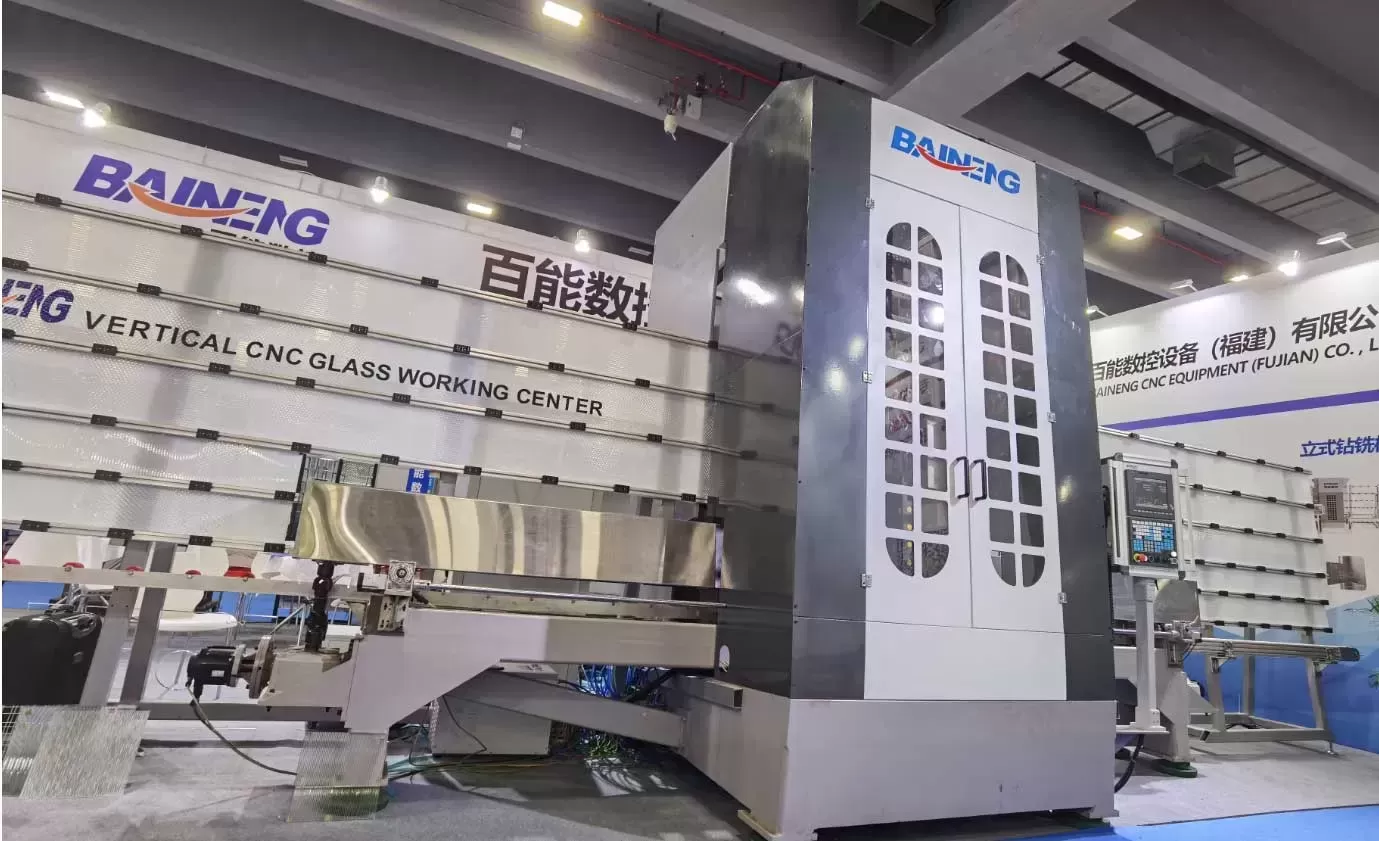
For facilities operating multiple laser engraving systems, centralized maintenance management and spare parts inventory programs reduce downtime and simplify service planning. Maintaining an inventory of critical components—including focusing lenses, protective windows, assist gas nozzles, and motion control belts—enables rapid component replacement during scheduled maintenance windows. BAINENG CNC provides technical documentation and remote diagnostic support that assists maintenance teams in identifying potential issues before they cause production interruptions.
Total Cost of Ownership and Value Proposition
Capital investment decisions for laser cutter glass engraving systems must account for the full lifecycle costs beyond the initial equipment price. A comprehensive total cost of ownership (TCO) analysis informs procurement choices and establishes realistic budgets for ongoing operation.
The direct operating costs include electrical consumption, assist gas usage, replacement parts, and scheduled maintenance services. Electrical costs vary significantly between laser types—CO₂ lasers generally operate with lower electrical-to-optical efficiency than fiber lasers, resulting in higher energy bills for high-power applications. Assist gas consumption, particularly for nitrogen or argon systems, contributes a substantial recurring expense that must be factored into cost-per-part calculations. Engineering teams should model these costs across the expected production volume and compare alternative system configurations to identify the lowest-cost solution for their specific application mix.
Indirect costs include operator labor, floor space allocation, environmental control requirements, and disposal of used consumables. Automated systems that reduce operator involvement deliver labor savings that offset higher capital costs over the equipment lifetime. The physical footprint of the laser system—including the chiller, exhaust system, and electrical distribution panels—affects facility layout and may necessitate floor space expansion in constrained production areas.
The value proposition extends beyond cost savings to include quality improvements, reduced rejection rates, and enhanced production flexibility. Laser engraving eliminates the tooling costs associated with mechanical stamping or chemical etching, enabling rapid design changes without tooling lead times. For production facilities that frequently adjust marking content—such as date codes, batch numbers, or customer-specific logos—this flexibility delivers operational agility that mechanical methods cannot match.
Predictive maintenance strategies, enabled by machine learning algorithms that analyze system sensor data, reduce unplanned downtime and extend equipment life. These advanced systems monitor laser power stability, beam profile, motion stage accuracy, and environmental conditions to recommend maintenance interventions before performance degradation affects product quality. Facilities adopting these proactive approaches report lower maintenance costs and higher equipment availability compared to reactive or scheduled-only maintenance programs.
Quality Assurance in Glass Engraving Operations
Establishing robust quality assurance protocols ensures that laser engraving processes consistently deliver specified mark characteristics across all production batches. The quality framework includes incoming material inspection, in-process monitoring, and final acceptance testing that aligns with industry standards and customer specifications.
Incoming glass inspection verifies that the material composition, surface quality, and dimensional tolerances match the assumptions used during parameter development. Variations in glass annealing history or tin-side orientation affect the engraving response, requiring parameter adjustments or material rejection before processing. Spectrophotometric measurements and surface energy testing provide quantitative data that correlates with engraving process outcomes.
In-process quality monitoring uses real-time sensors to detect deviations from established parameter ranges. Power monitors placed after the focusing lens verify that the delivered energy matches the setpoint, while beam profilers detect thermal drift or optical contamination that could affect mark quality. Automated feedback systems that adjust power or speed in response to measured deviations maintain consistent output without operator intervention.
Final inspection protocols depend on the application requirements, ranging from visual inspection under controlled lighting to automated machine vision systems that measure mark dimensions, contrast, and position relative to part features. For safety-critical applications—such as glass components in aircraft cabins or medical devices—destructive testing may be required to verify that the engraving process does not compromise the strength of the glass. These validation protocols provide the traceability required by regulated industries and demonstrate the robustness of the engraving process to customers and regulatory bodies.
Customization and Integration Services
Each production facility faces unique challenges that generic laser systems may not fully address. Customization services—ranging from specialized fixturing designs to customized software interfaces—enable the laser engraving system to integrate seamlessly with existing production workflows. BAINENG CNC offers engineering support for custom system configurations, including modified working envelopes, specialized part handling solutions, and integration with customers' existing automation infrastructure. These tailored solutions reduce the time required for system deployment and minimize the operational disruptions associated with new equipment introduction.
Integration with enterprise resource planning (ERP) and manufacturing execution systems (MES) enables automated job scheduling, real-time production tracking, and quality data archiving. The ability to automatically download job parameters from a central database eliminates manual data entry errors and ensures consistent process execution across multiple shifts and operators. For facilities with complex production routing, laser engraving systems that communicate with material handling systems and conveyors enable fully automated processing with minimal human intervention.
Frequently Asked Questions
Q1: What types of glass can be processed with a laser cutter glass
engraving system?
A1: A well-configured laser cutter glass engraving
system can process most commercial glass types, including soda-lime float glass,
borosilicate glass (commonly used in laboratory ware), lead crystal, tempered
and chemically strengthened glass, and specialty optical glasses. The optimal
laser parameters—including wavelength, pulse duration, and assist gas—vary with
each glass composition and thickness. Tempered glass requires particularly
careful parameter control to avoid thermal stress fractures, while softer lead
crystal typically engraves at lower power settings with faster scanning
speeds.
Q2: What is the typical engraving depth achievable with industrial
glass engraving lasers?
A2: Engraving depth varies widely based on
laser power, pulse duration, number of passes, and glass type. CO₂ laser systems
typically achieve depths between 0.1 and 1.0 millimeters with multi-pass
strategies. Ultrafast lasers can produce deeper engravings—up to 3 millimeters
in some applications—with better edge quality and reduced micro-cracking. Deep
engraving applications require systematic pass planning and frequent cleaning of
the engraving zone to maintain consistent material removal.
Q3: How does engraving affect the structural strength of
glass?
A3: Laser engraving introduces localized stress
concentrations that can reduce the flexural strength of glass, particularly for
deep engravings or those near edges. Shallow engravings (below 0.3 mm) typically
cause strength reductions under 20%, while deeper marks may reduce strength by
40-60%. Strengthening treatments such as thermal tempering or chemical
ion-exchange can mitigate these effects by introducing compressive surface
stresses that offset tensile stress concentrations. For load-bearing glass
applications, engineers should conduct fracture testing to validate acceptable
strength reductions for the specific engraving geometry and glass type.
Q4: What maintenance schedule should be followed for a glass
engraving laser system?
A4: Maintenance schedules depend on the
laser technology, production volume, and environmental conditions. Daily
maintenance includes cleaning the focusing lens and protective window,
inspecting assist gas delivery components, and verifying system interlocks and
safety controls. Weekly tasks involve checking coolant flow rates and
temperatures, cleaning or replacing filters on the chiller system, and verifying
beam alignment with test marks. Monthly maintenance includes comprehensive
system diagnostics, power meter verification, and examination of mechanical
motion components for wear or backlash. Annual maintenance, typically performed
by qualified service technicians, includes laser source recalibration, coolant
system flush and refill, and replacement of wear components such as gas
cartridges or diode assemblies.
Q5: What are the key differences between CO₂ and fiber lasers for
glass engraving?
A5: CO₂ lasers operating at 10.6 micrometers
produce absorption that is uniformly high across most glass types, making them
suitable for a broad range of applications and glass compositions. They are
generally lower in initial cost and simpler to operate but consume more
electrical power per watt of optical output. Fiber lasers, particularly those
with short-pulse capabilities, offer higher peak powers, better beam quality,
and faster processing speeds for thin glass or high-precision applications.
Fiber lasers tend to have lower operating costs and longer maintenance intervals
but require stricter parameter control for consistent results. The choice
between CO₂ and fiber lasers depends on the specific application requirements,
production volume, and available budget.
Q6: How can I ensure consistent engraving quality across large glass
panels?
A6: Consistent engraving across large panels requires
flatness control of both the glass surface and the laser scanning system. Panels
should be securely clamped or vacuum-hold down to minimize bowing, and the
scanning system should incorporate software compensation for field distortion.
Beam expanders and long-focal-length lenses deliver uniform spot size across a
larger area, though power density may decrease at the field edges. Multi-tile
engraving strategies, where the pattern is divided into overlapping sections,
allow precise stitching of large-format patterns with minimal visible seams.
BAINENG CNC can provide technical guidance on fixturing and
field compensation strategies tailored to specific panel sizes and production
volumes.
For engineering consultations, parameter development support, or system integration inquiries, contact the technical team at BAINENG CNC. Our specialists provide application-specific recommendations and workflow optimization services that align with your production objectives and quality targets.
Email: kobexu@bai-neng.com
Phone: +86-17185883788