
 FAQs
FAQs Factory Tour



Selecting the right glass processing equipment requires a clear balance between upfront equipment cost and long-term production capability. Industrial buyers frequently weigh mechanical CNC machining against laser surface processing when researching machinery investments.
The total glass engraving machine price varies substantially depending on whether you require deep structural milling, artistic V-grooves, or micro-level surface marking. Understanding these technical and financial differences prevents costly purchasing mistakes.
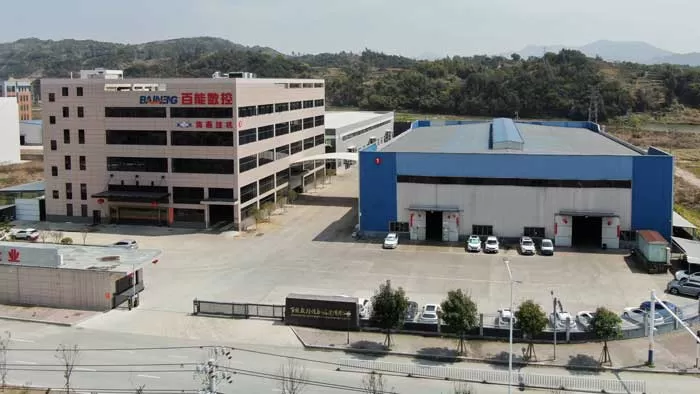
As an industry-leading manufacturer with over 30 patents and machinery running in more than 50 countries, BAINENG CNC provides this comprehensive 2026 price and performance guide to help you make an informed capital investment.
Quick Overview: 2026 Glass Engraving Machine Price Matrix
Before examining mechanical specifications, review the estimated price points for industrial glass processing equipment across global markets in 2026:
| Equipment Category | Estimated Price (USD) | Primary Industrial Applications | Core Consumables & Running Costs |
|---|---|---|---|
| Standard CNC Glass Engraving Machine | $15,000 - $45,000 | V-grooves, line engraving, border relief, decorative mirrors, furniture glass | Diamond milling tools, polishing wheels, coolant water, electricity |
| Heavy-Duty CNC Glass Working Center | $35,000 - $85,000 | Combined cutting, routing, drilling, edge grinding, deep 3D artistic relief | Diamond profile tooling, cerium oxide wheels, CNC tool holders, spindle maintenance |
| Glass Laser Etching Machine | $5,000 - $40,000 | Surface serial numbers, QR codes, anti-counterfeit marks, frosted logos | Laser source replacement, optical lenses, exhaust filters, electricity |
| Advanced 5-Axis / Vertical Glass Working Center | $55,000 - $150,000+ | Architectural glass, automotive glass, complex bevels, automated continuous lines | Specialized tooling sets, automated lubrication, preventative drive servicing |
Part 1: Key Factors That Drive the Glass Engraving Machine Price
The price tag on an industrial machine reflects its engineering tolerance, mechanical build, and automation grade. Here are the four primary factors that dictate equipment costs:
1. Axis Configuration and Structural Rigidity
Entry-level 3-axis CNC machines move along standard X, Y, and Z planes. They are suitable for flat decorative lines and basic surface carving.
Upgrading to a 4-axis or a specialized 5-axis glass beveling machine increases the machine base cost by 40% to 80%. However, this structure allows complex compound angle beveling, deep organic sculpting, and edge shaping on curved or irregular glass.
2. Spindle Power, Drive Systems, and Motion Control
High-torque, water-cooled electric spindles (such as 9 kW to 12 kW industrial units) maintain constant speed under heavy resistance from thick glass panels. Inexpensive machines cut corners with lower-grade stepper motors.
Industrial-grade machinery uses high-precision digital servo systems and precision ground ball screws. These components ensure repeatability within ±0.02 mm, which directly increases the initial industrial glass CNC machine cost while ensuring years of trouble-free operation.
3. Worktable Size and Footprint (Horizontal vs. Vertical)
Standard flatbed tables (such as 3000 x 1500 mm or 3200 x 2000 mm) handle mainstream architectural and shower glass. Larger custom flatbeds increase raw steel and transportation costs.
Meanwhile, a vertical glass working machine requires advanced pneumatic clamping and structural balancing. While vertical systems sit at a higher price tier, they reduce floor space requirements by up to 60% and streamline loading cycles for heavy architectural panes.
4. Compliance and International Certifications
A true CE certified glass machine meets stringent European Union mechanical, electrical, and safety directives. Ensuring compliance requires shielded wiring, reinforced protective enclosures, emergency interlocks, and ISO-standard manufacturing processes.
Part 2: Performance Showdown — CNC vs Laser Glass Engraving
To determine which technology suits your production floor, you must evaluate how both methods treat the glass substrate physically and chemically.
1. Engraving Depth and 3D Carving Ability
CNC Glass Engraving: Uses high-speed diamond tools to physically remove glass material. CNC systems can carve wide V-grooves (from 3 mm to 20 mm wide) and U-grooves with depths up to several millimeters. This makes CNC the only viable choice for tactile decorative mirrors, architectural partition walls, and high-end furniture.
Laser Glass Etching: Uses focused thermal energy to create micro-fractures on the glass surface. The engraving depth is measured in microns. While it creates clean patterns, it cannot produce deep physical grooves or tactile 3D relief effects.
2. Processing Speed and Operational Versatility
When comparing CNC vs laser glass engraving, machine versatility is a decisive operational factor:
Laser Etching: Extremely fast when printing 2D vector logos, fine text, or serial barcodes. However, a laser machine cannot drill holes, mill cutouts, or bevel glass edges.
CNC Working Centers: A multi-functional glass working center can mill, drill, bevel, engrave, and polish a glass sheet in a single setup without manual repositioning.
3. Edge Finish and Polish Quality
Laser etching leaves an opaque, frosted, or micro-cracked finish. It cannot polish the processed area back to a transparent state.
CNC machinery uses multi-stage tool paths: coarse diamond roughing, fine diamond finishing, and synthetic or cerium polishing wheels. This multi-step process delivers brilliant, optically clear grooves that refract light cleanly on premium decorative glass.
Part 3: Return on Investment (ROI) and Total Cost of Ownership (TCO)
A low upfront glass laser etching machine price can look attractive on paper. However, buyers must evaluate the full operating lifecycle before signing purchase orders.
Initial Capital Expense vs. Factory Labor Efficiency
A fully equipped CNC machining center replaces multiple standalone manual machines, including separate drilling tables, manual shapers, and edge polishers. By consolidating these steps into one automated cycle, factories routinely reduce labor requirements by 40% to 60%.
Workers load the raw stock, select the CAD/CAM program, and unload the finished panel. The machine handles tool changes automatically via rotary or linear tool magazines.
Consumables and Maintenance Overhead
Operating costs differ considerably between mechanical and thermal systems:
CNC Operating Costs: Regular expenses include diamond carving wheels, water filtration management, spindle lubrication, and vacuum suction cups. Tool life is predictable and easily factored into per-piece processing costs.
Laser Operating Costs: While day-to-day tool wear is nonexistent, replacing an industrial laser tube or source after its rated lifespan represents a major single maintenance cost.
Part 4: Why Industrial Processors Trust BAINENG CNC
Investing in glass fabrication machinery requires partnering with a reliable glass engraving machine manufacturer capable of providing long-term engineering support.
BAINENG CNC (Fujian Baineng CNC Equipment Co., Ltd.) has spent decades refining automated glass machinery. Here is what sets our technology apart:
Independent Intellectual Property: We hold over 30 national patents covering mechanical stability, spindle cooling, specialized tooling adapters, and intuitive control software.
Global Footprint: Our machines operate across more than 50 countries, including the United States, Russia, France, Italy, Canada, Poland, Turkey, South Korea, India, Saudi Arabia, and Egypt.
Certified Manufacturing Standards: Every machine meets ISO9001 quality management guidelines and carries full CE certification for international workplace safety.
Complete Machinery Matrix: We build tailored industrial solutions ranging from horizontal 3-axis machines to automated 5-axis systems and vertical processing lines.
The BAINENG Industrial Machinery Portfolio:
CNC Glass Engraving Machine: Designed specifically for high-speed decorative grooving, artistic mirror framing, and furniture panel detailing.
CNC Glass Working Center: A comprehensive production workhorse that routes, cuts sink cutouts, drills hinge holes, edge-finishes, and engraves heavy glass sheets.
5-Axis Glass Beveling Machine: Engineered for complex 3D shape beveling, irregular border grinding, and high-precision technical glass applications.
Vertical Glass Working Machine: Compact, space-saving production units that automate drilling, milling, and edge grinding on large architectural glass lites.
Glass Laser Etching Machine: High-resolution optical marking stations for barcode application, logo etching, and fine decorative frost patterns.
Part 5: Equipment Buying Guide — Which Machine Fits Your Plant?
Use this straightforward decision path to match your production goals with the right equipment category:
Choose a CNC Glass Engraving Machine or Working Center if you manufacture:
Decorative mirrors, bathroom vanities, and V-grooved glass table tops
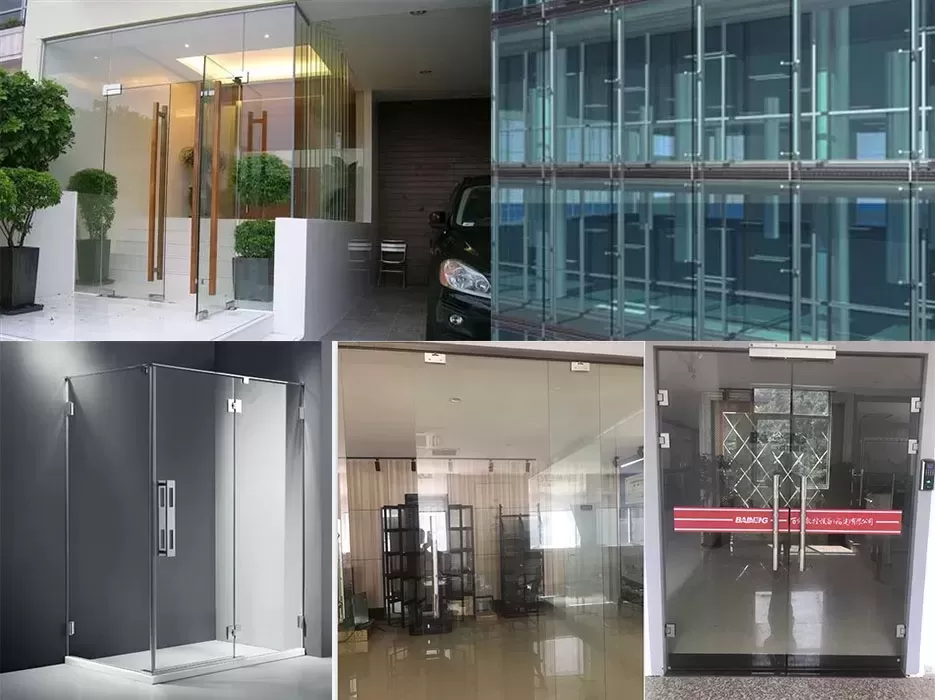
Frameless shower doors requiring polished hinge cutouts, holes, and edge work
Architectural glass, stair treads, and partition walls needing structural milling
Beveled art glass requiring brilliant, transparent groove finishes
Choose a Glass Laser Etching Machine if you manufacture:
High-volume thin glass panels requiring QR codes, serial numbers, or certification marks
Drinkware, bottles, and giftware needing fast surface logos
Ultra-thin electronic glass where physical tool pressure could cause fracture
Frequently Asked Questions (FAQ)
Q1: What is the average glass engraving machine price for an industrial factory setup in 2026?
A1: In 2026, an entry-level industrial CNC glass engraving unit starts around $15,000 to $25,000. Full-featured, heavy-duty CNC glass working centers typically range from $35,000 to $85,000 depending on table dimensions, automatic tool changer capacity, and spindle specifications.
Q2: Can a glass laser etching machine carve deep grooves or V-shapes?
A2: No. Laser etching machines remove glass material at the micron level using thermal energy, creating a frosted surface mark. They cannot physically remove enough material to create structural V-grooves, U-channels, or polished deep relief patterns. Deep mechanical engraving requires diamond tooling on a CNC machine.
Q3: What makes a vertical glass working center different from horizontal CNCs?
A3: A vertical glass working center holds the glass pane nearly upright during processing. This design saves up to 60% of floor space, simplifies crane loading for oversized architectural glass, and reduces glass flexing during heavy drilling and milling operations.
Q4: How does a 5-axis glass beveling machine improve production ROI?
A4: A 5-axis machine can tilt its grinding spindle to follow complex curved contours and variable angles in a single pass. This eliminates secondary manual touch-ups, reduces scrap rates on expensive glass, and allows factories to bid on complex architectural and automotive glass contracts.
Q5: Does BAINENG CNC provide CE-certified machines for export?
A5: Yes. All BAINENG CNC equipment is built under strict ISO9001 quality controls and carries authentic CE certification. Our electrical cabinets, mechanical guards, and safety circuits comply with North American and European regulatory standards.
Request a Customized Machinery Quote Today
Ready to upgrade your glass processing capabilities? The engineering team at BAINENG CNC will analyze your production blueprints, glass thicknesses, and daily output requirements to recommend the most cost-effective machine configuration.