
 FAQs
FAQs Factory Tour



The global glass processing industry has undergone a significant transformation, moving from manual labor-intensive methods to highly automated, precision-driven workflows. At the center of this evolution is the transition from horizontal processing lines to vertical configurations. Selecting a vertical glass edging machineglass solution represents a strategic decision for facilities aiming to optimize floor space while maintaining rigorous standards for edge quality and dimensional accuracy. Unlike traditional horizontal systems, vertical equipment leverages gravity and specialized clamping mechanisms to ensure stability, particularly for large-format architectural glass panels.
Understanding the technical nuances of these systems requires an exploration of the mechanical components, the software logic governing movement, and the material science involved in abrasive grinding. For glass fabricators, the goal is not merely to remove sharp edges but to produce a finish that meets the aesthetic and structural requirements of modern construction and interior design. This article analyzes the engineering principles that define high-performance edging systems and the practical advantages they offer to professional fabrication environments.
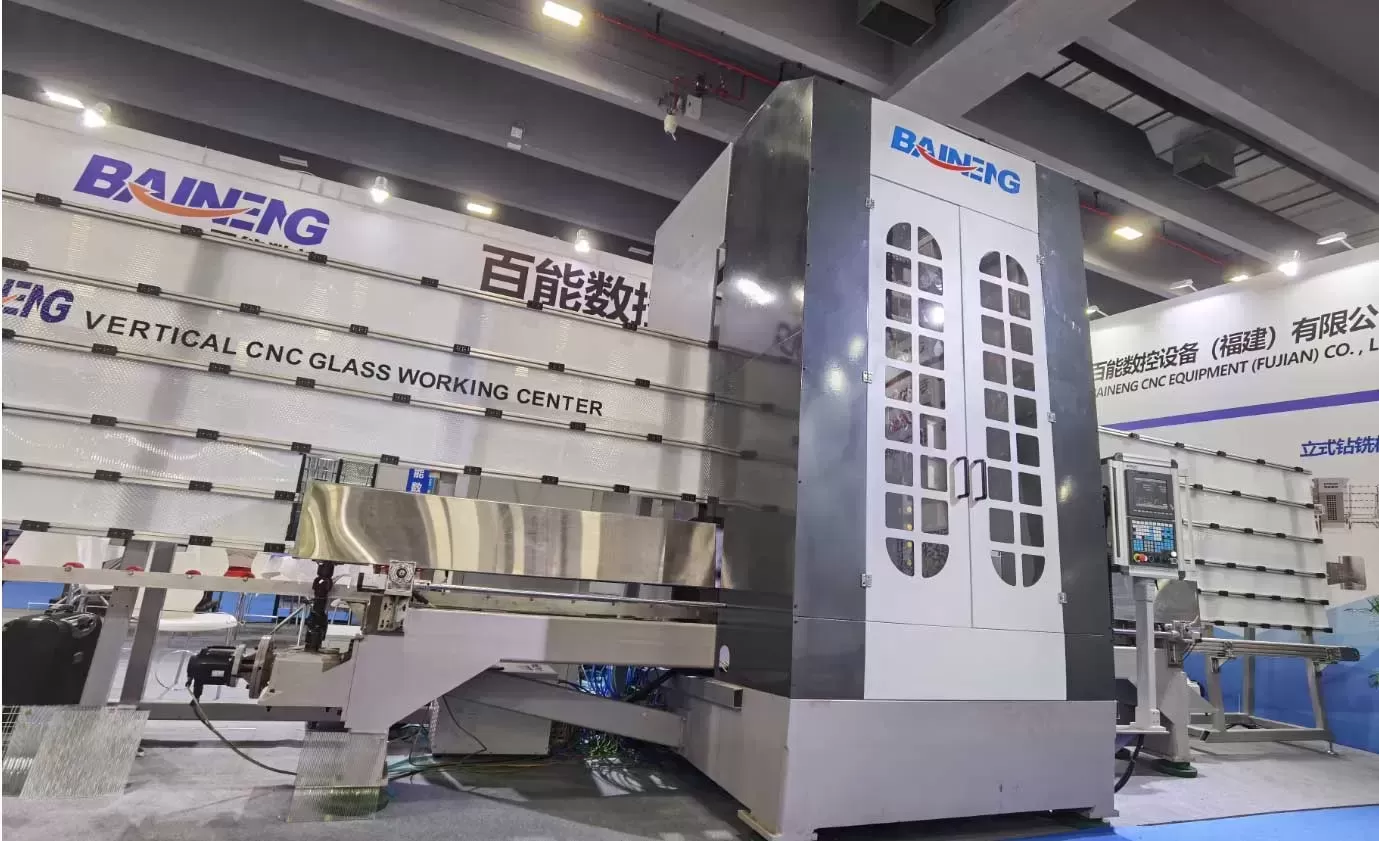
The Mechanical Architecture of Vertical Edging Systems
The structural design of a vertical glass edging machineglass unit is engineered to handle substantial weight loads while performing micro-level adjustments. The vertical orientation allows the glass to travel on a series of reinforced rollers, often coated with specialized polymers to prevent surface scratching. This setup is particularly effective for processing "Low-E" or coated glass, as the sensitive surface of the pane does not come into direct contact with the conveyor belts in the same manner as horizontal machines.
The heart of these machines lies in the spindle configuration. Modern CNC-driven models, such as those developed by BAINENG CNC, utilize high-speed spindles capable of varying revolutions per minute (RPM) based on the glass thickness and the specific stage of the grinding process. These spindles hold diamond-impregnated wheels for rough grinding and resin-bonded or cerium-oxide-embedded wheels for the final polishing stages. The precision of the spindle motor directly correlates to the smoothness of the finished edge, reducing the need for secondary processing.
Precision Through Closed-Loop Control Systems
In high-end fabrication, precision is maintained through sophisticated control systems. Sensors along the transport path detect the exact position and dimensions of the glass pane as it enters the machine. This data is fed into a Programmable Logic Controller (PLC) which adjusts the position of the grinding heads in real-time. By using servo-driven motors instead of pneumatic actuators, the machine can maintain a constant pressure against the glass edge, even if there are slight variations in the glass sheet's straightness. This level of control is fundamental for achieving the high-transparency "diamond" finish required for high-end furniture and structural glass fins.
Addressing Common Industry Challenges in Glass Edging
Fabricators often face specific hurdles that can hinder throughput and quality. One of the most common issues is "shelling" or "chipping" at the corners of the glass, which often occurs due to vibration during the grinding process. A well-engineered vertical glass edging machineglass incorporates vibration-dampening materials in the frame and utilizes heavy-duty guide rails to ensure that the grinding head remains perfectly stable. This stability is a decisive factor in reducing the scrap rate in a high-volume production environment.
Another significant challenge is the management of cooling water and glass dust. During the edging process, a constant flow of water is required to lubricate the wheels and prevent thermal stress on the glass, which could lead to breakage. Advanced vertical systems feature integrated filtration and recirculation units. These units remove glass fines (swarf) from the water, preventing the nozzles from clogging and ensuring that the abrasive wheels remain clean and effective. Efficient water management not only protects the equipment but also contributes to a cleaner working environment.
Eliminating Surface Scratches and Coating Damage
When processing architectural glass with soft coatings, maintaining the integrity of the surface is a priority. In a horizontal machine, any debris on the conveyor can lead to significant scratching. In a vertical setup, the glass stands nearly upright, and the contact points are limited to the bottom edge and a series of back-supporting rollers. BAINENG CNC has implemented specialized non-marking support systems in their designs to ensure that even the most sensitive coatings remain pristine throughout the edging and polishing cycle. This feature is particularly useful for manufacturers of solar panels and high-performance building envelopes.
Technical Specifications and Wheel Sequences
The versatility of a vertical glass edging machineglass is often measured by its wheel configuration. A standard setup might include between 4 and 11 spindles, each dedicated to a specific part of the edge profile. For a flat edge with arriss (beveled corners), the sequence typically involves:
Rough Grinding: Coarse diamond wheels (e.g., 80-120 grit) to remove the bulk of the material and define the basic shape.
Fine Grinding: Finer diamond wheels (e.g., 240-400 grit) to refine the surface and remove the deep grooves left by the roughing stage.
Arris Grinding: Specific wheels set at 45-degree angles to smooth the top and bottom sharp corners of the edge.
Polishing: Rubber or felt wheels used with polishing compounds to achieve a high-gloss finish.
Automation allows the machine to adjust these wheels automatically for different glass thicknesses, ranging from 3mm to 19mm or even thicker for specialized laminates. The transition between different glass types can be handled via a touchscreen interface, where the operator selects a pre-programmed recipe. This reduces downtime and minimizes the risk of human error during setup.
Operational Advantages of the Vertical Orientation
Beyond the technical precision, the physical footprint of a vertical system offers practical benefits for facility management. Floor space is a premium asset in industrial settings. A vertical line occupies significantly less width than a horizontal line of equivalent capacity. This allows for more efficient plant layouts, enabling the integration of washing machines, drilling stations, and tempering furnaces in a continuous flow.
Furthermore, the ergonomics for operators are greatly improved. Loading a large 3-meter glass pane onto a horizontal table requires multiple personnel or expensive overhead suction lifters. In contrast, a vertical glass edging machineglass allows for easier loading at a natural standing height, often requiring only one operator or a simple robotic arm. This ease of handling speeds up the cycle time and reduces the physical strain on the workforce.
Software Integration and the Digital Workflow
The modern fabrication shop relies on data. High-performance edging machines are now equipped with software that can interface with ERP systems and CAD/CAM programs. This connectivity allows for the tracking of every piece of glass through the production line. If a pane is identified by a barcode scanner, the machine can automatically retrieve its dimensions and edging requirements from the central database. This "Industry 4.0" approach ensures that BAINENG CNC equipment can be seamlessly integrated into a fully automated smart factory, providing real-time analytics on wheel wear, energy consumption, and production volume.
Selecting the Right Equipment for Specific Applications
Not all edging requirements are the same. A company focusing on mirrors for interior design will have different needs than a firm producing structural glazing for skyscrapers. When evaluating a vertical glass edging machineglass, it is important to consider the type of edge finish required. While a flat edge with arriss is standard, some machines are capable of producing miters (angled edges) for glass-to-glass joints or OG profiles for decorative applications.
The frequency of glass thickness changes is also a factor. If a shop processes various thicknesses throughout the day, a machine with a fast, motorized adjustment system is vital. If the shop primarily processes thick, heavy glass, the load-bearing capacity of the conveyor and the power of the spindle motors become the most important metrics. Robustness in the frame construction—often using cast iron components—is a hallmark of high-quality machinery that can withstand decades of constant operation.
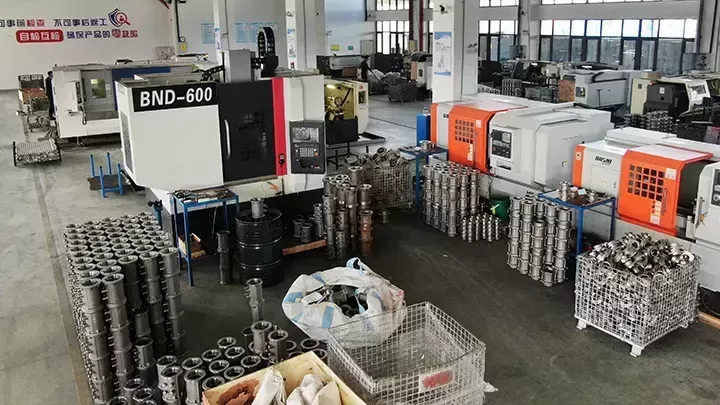
Maintenance and Longevity of CNC Edging Machinery
To maintain the high precision of a vertical glass edging machineglass, a structured maintenance schedule is necessary. The hostile environment of glass dust and water requires that all moving parts are well-protected and regularly lubricated. Key maintenance tasks include:
Spindle Inspection: Checking for run-out or noise that could indicate bearing wear.
Wheel Dressing: Periodically cleaning and reshaping the grinding wheels to ensure they maintain their abrasive properties.
Conveyor Calibration: Ensuring the transport rollers remain perfectly aligned to avoid "snaking" of the glass during the grind.
Electrical System Cleaning: Removing any moisture or dust from the control cabinets to prevent short circuits.
By adhering to these protocols, fabricators can ensure that their investment continues to produce high-quality results for a long service life. High-quality components and accessible service points make this process straightforward for internal maintenance teams.
Conclusion
The shift toward vertical glass processing is a response to the increasing demands for precision, efficiency, and surface protection in the glass industry. By integrating a vertical glass edging machineglass into the production line, fabricators can address the complexities of modern architectural and decorative glass with confidence. The combination of CNC accuracy, ergonomic design, and advanced water management systems makes these machines a cornerstone of a competitive fabrication business. As the industry moves toward greater automation and more stringent quality standards, the role of specialized vertical equipment will only continue to grow.
For glass fabrication professionals seeking to enhance their production capabilities and achieve superior edge quality, exploring advanced CNC solutions is a logical next step. If you are looking to optimize your workshop or require detailed technical specifications for your next project, we invite you to reach out for a professional consultation.
For more information on how our technology can support your fabrication needs, please send an inquiry to our technical team today.
Frequently Asked Questions
Q1: What is the maximum glass thickness a vertical glass edging machineglass can typically process?
A1: Most industrial-grade vertical edging machines are designed to process glass thicknesses ranging from 3mm to 19mm. However, heavy-duty models can be customized to handle glass up to 30mm or more, depending on the spindle configuration and motor power.
Q2: Does the vertical orientation affect the accuracy of the polish compared to horizontal machines?
A2: On the contrary, the vertical orientation often provides better stability for large sheets of glass. Gravity helps keep the glass seated firmly against the transport rollers, and the absence of surface contact reduces vibrations that can affect the polish quality.
Q3: Can a vertical glass edging machineglass handle shaped glass, or is it only for rectangular pieces?
A3: Standard vertical edging machines are primarily designed for rectangular or square panes. For complex shapes or curves, a vertical CNC work center or a dedicated shape-edging machine would be required to allow the grinding head to move along multiple axes.
Q4: How often do the diamond grinding wheels need to be replaced?
A4: Wheel life depends on the linear meters of glass processed, the thickness of the glass, and the amount of material being removed. High-quality diamond wheels can typically process thousands of meters before needing replacement, provided they are regularly dressed and the cooling system is functioning correctly.
Q5: Is specialized training required to operate a CNC vertical edging machine?
A5: While the user interfaces are designed to be intuitive, basic training is necessary to understand the PLC settings, wheel adjustments, and safety protocols. Most manufacturers provide comprehensive training during the installation phase to ensure operators can maximize the machine's efficiency.
Q6: How does the machine prevent scratching on Low-E coated glass?
A6: Vertical machines prevent scratches by using a "surface-free" transport system. The glass is supported by rollers that only touch the very edges or use soft, non-marking materials, ensuring that the functional coating on the face of the glass never comes into contact with the machine structure.