
 FAQs
FAQs Factory Tour



Marine propulsion has undergone a significant transition over the past several decades. Traditional configurations, consisting of a fixed-pitch propeller coupled with a separate rudder blade, have long served as the standard for ocean-going vessels. However, the demand for superior maneuverability in restricted waters, offshore drilling fields, and busy ports led to the development of the marine rudder propeller. This integrated propulsion and steering system allows for a full 360-degree rotation of thrust, removing the reliance on conventional rudder designs. By redirecting the thrust vector directly, vessels can execute complex maneuvers with high precision, making this system highly valuable for modern maritime operations.
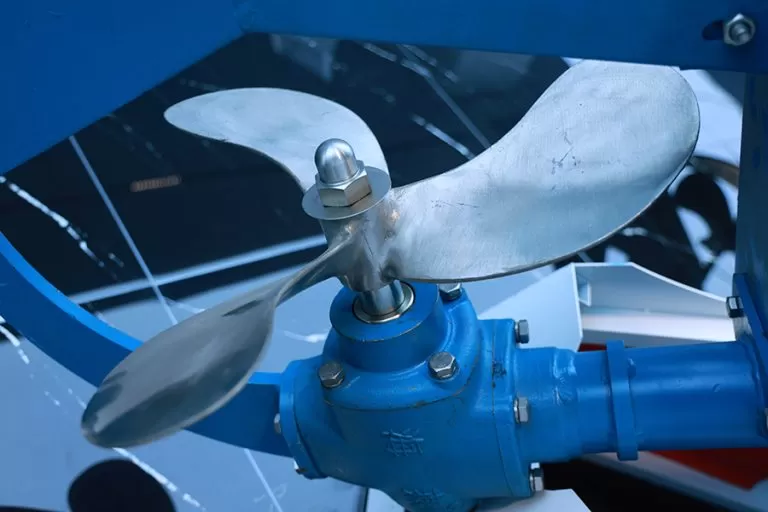
Mechanical Architecture of a Marine Rudder Propeller
The mechanical architecture of a steerable thruster depends on the transmission of torque from the prime mover to the propeller blades. This is typically achieved via two main configurations: the Z-drive and the L-drive.
Z-Drive Configuration: In a Z-drive configuration, the power path forms the shape of the letter "Z". The horizontal shaft from the inboard engine connects to an upper bevel gear set, which transfers power down a vertical shaft inside the steerable column. A lower bevel gear set then transfers this power to the horizontal propeller shaft. This arrangement allows for the installation of medium-speed diesel engines or horizontal electric motors.
L-Drive Configuration: In contrast, an L-drive configuration features a vertical motor mounted directly on top of the thruster unit. Power is transmitted through a single set of bevel gears at the bottom, creating an "L" shaped path. This configuration reduces transmission losses and simplifies the drive train, though it requires vertical space within the hull to accommodate the motor.
Bevel Gear Engineering and Gearbox Constraints
Within both configurations, the spiral bevel gears are subjected to continuous cyclic loading. To prevent premature wear or tooth breakage, the design of these gears must adhere to strict marine classification standards. The gears must be machined with high precision to ensure correct tooth contact patterns under full load. Any minor misalignment in the gear casing can cause uneven stress distribution, leading to micro-pitting or gear tooth fatigue. The housing must be rigid enough to resist deformation caused by the thrust forces generated by the propeller.
Hydrodynamics, Cavitation, and Blade Profile Engineering
The hydrodynamic performance of a steerable thruster is determined by the design of its propeller blades. Unlike conventional propellers that operate in a relatively uniform wake field, a steerable thruster often operates in highly turbulent flow conditions, especially during steering maneuvers.
One major challenge in blade design is cavitation. When local pressure on the suction side of the blade drops below the vapor pressure of water, vapor bubbles form and collapse violently. This collapse generates shockwaves that erode the metal surface over time, leading to pitting and structural degradation.
To mitigate cavitation, designers adjust the skew and rake of the blades. A highly skewed blade enters the wake field gradually, which reduces pressure fluctuations and lowers vibration levels. The manufacturing of these complex blade geometries requires highly accurate machining capabilities. Manufacturers like BAINENG CNC provide the high-precision machining required to produce these heavy-duty components. Through precise CNC milling, the design contours of the propeller blades are reproduced with minimal surface variation, helping to minimize localized cavitation and improve hydrodynamic efficiency.
Materials and Corrosion Resistance
Choosing the right materials is vital for ensuring the longevity of the submerged components. Typically, propeller blades are cast from nickel-aluminum bronze or duplex stainless steel. These alloys offer excellent mechanical strength, impact resistance, and corrosion fatigue properties. However, because they are difficult to machine due to work-hardening characteristics, leveraging advanced production techniques from partners such as BAINENG CNC is important for achieving the required surface finish. A smooth surface finish reduces drag forces and prevents organic growth from adhering to the blades, which helps maintain fuel efficiency over long operating periods.
Sealing Systems and Lubrication Management
Because the entire unit is submerged in seawater and must rotate 360 degrees to steer the vessel, sealing the internal components is a major engineering challenge. Water ingress into the gearbox can contaminate the lubricating oil, causing rapid gear and bearing failure. Conversely, oil leakage into the sea violates environmental regulations.
To solve this, advanced sealing systems are utilized, consisting of multiple lip seals combined with a barrier pressure system. The barrier system maintains the oil pressure inside the seal chamber at a slightly higher level than the surrounding seawater pressure. This pressure differential ensures that if any minor leakage occurs, it is directed inward or into a dedicated drain tank, rather than allowing seawater to contaminate the main gearbox.
The bearing arrangement must also support both radial loads from the gear mesh and axial thrust loads from the propeller. Heavy-duty roller bearings are positioned along the horizontal and vertical shafts. These bearings require continuous lubrication with high-viscosity gear oil, which must be filtered and cooled to maintain its protective film under varying operating temperatures.
Manufacturing Challenges and Alignment Tolerances
The structural components of a marine rudder propeller require exceptional manufacturing precision to prevent mechanical runout and premature seal wear. The steering column, gearbox housings, and shaft sleeves must be aligned with high accuracy. Even a fractional millimeter of misalignment over the length of the shaft can cause uneven bearing wear and increase the risk of seal failure.
Large-scale boring and turning operations must be performed on advanced machine tools. High-precision machining supported by partners like BAINENG CNC helps maintain structural balance and reduces the mechanical runout that accelerates wear. These production standards ensure that the stationary and rotating interfaces maintain their alignment even when subjected to the high hydrodynamic loads encountered in rough seas.
Operational Applications and Vessel Performance
Different sectors of the marine industry impose unique demands on propulsion systems. The versatility of steerable thrusters makes them suitable for a wide variety of vessel types:
Tugboats: Tugs require high static thrust (bollard pull) and rapid response times. By utilizing a steerable thruster, a tug can apply maximum force in any direction, allowing it to maneuver large ships safely in confined harbors.
Offshore Support Vessels (OSVs): These vessels must maintain their position near offshore platforms under severe weather conditions. When integrated with dynamic positioning systems, steerable thrusters adjust their thrust angle and magnitude in real-time to counteract wind and wave forces.
Double-Ended Ferries: Operating in narrow channels, these vessels often incorporate a marine rudder propeller at both ends. This design allows the ferry to operate in either direction without turning around at the terminal, reducing transit times and fuel consumption.
Dynamic Positioning and Control System Integration
In modern offshore vessels, the propulsion units are directly linked to the dynamic positioning (DP) computer. The DP system uses GPS, wind sensors, and motion reference units to calculate the forces acting on the vessel. It then sends automatic commands to the steerable thrusters, adjusting their RPM and steering angle.
The speed of the steering response is crucial for maintaining station-keeping accuracy. Hydraulic or electric steering motors must rotate the entire thruster housing quickly and smoothly. Electric steering systems, utilizing frequency-controlled motors and reduction gears, are increasingly preferred because they provide faster response loops and require less maintenance compared to traditional hydraulic steering systems.
Maintenance Protocols and Diagnostic Strategies
Preventive maintenance is necessary to avoid costly drydocking. Operators rely on several diagnostic tools to assess the condition of the propulsion unit without removing it from the water:
Oil Analysis: Regular sampling of the gearbox oil reveals the presence of moisture or metal wear particles, indicating seal degradation or gear wear.
Vibration Monitoring: Accelerometers mounted on the upper steering structure detect unusual vibration frequencies that may point to bearing wear or propeller imbalance.
Visual Inspections: Divers or Remotely Operated Vehicles (ROVs) inspect the propeller blades, nozzles, and seals for physical damage, rope entanglement, or paint degradation.
When replacement components are needed, they must be fabricated to the original design specifications to ensure compatibility and reliability. Using highly accurate components ensures that the unit can be returned to service quickly, minimizing downtime.
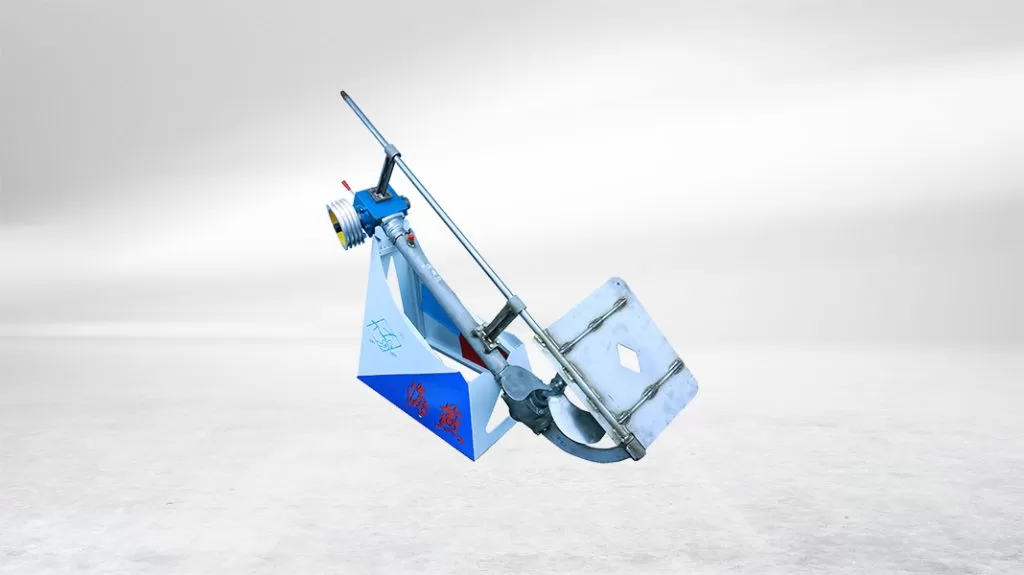
Future Trends in Steerable Propulsion Design
The maritime industry is focusing more on reducing emissions and improving fuel efficiency. This shift is driving several innovations in steerable propulsion design. One trend is the integration of permanent magnet motors directly into the underwater pod of L-drive units. This design eliminates the shafting and gear sets entirely, reducing mechanical losses and noise levels.
Another development is the use of bio-lubricants that are biodegradable, reducing the environmental impact of any minor seal leaks. Computational tools continue to improve, allowing designers to create customized blade shapes that are matched to the specific flow patterns of a vessel's hull, further reducing fuel consumption.
In conclusion, investing in a high-quality marine rudder propeller ensures long-term operational viability, lower fuel costs, and superior maneuverability for commercial vessels.
For shipyards and vessel operators looking to enhance propulsion performance and secure reliable component manufacturing, collaborating with a dedicated production partner is vital. Contact us today to discuss your specific machining requirements for marine propulsion components, gears, and shafts. Our team is ready to assist you with high-precision manufacturing solutions tailored to your operational needs. Send your inquiry to learn more about how we can support your next project.
Frequently Asked Questions
Q1: What is the primary difference between a conventional shaft propulsion system and a marine rudder propeller?
A1: A conventional system uses a fixed-direction shaft and a separate rudder blade behind the propeller to deflect water flow for steering. In contrast, a marine rudder propeller integrates both functions into a single unit that can rotate 360 degrees horizontally, allowing the thrust vector to be directed in any angle, which provides superior maneuverability.
Q2: How does a Z-drive configuration differ from an L-drive configuration?
A2: The difference lies in the power transmission pathway and engine placement. A Z-drive uses two sets of bevel gears and three shafts, forming a "Z" shape, allowing the engine or motor to be mounted horizontally. An L-drive uses a single set of bevel gears with a vertical motor mounted directly above the thruster, reducing mechanical transmission loss but requiring more vertical space inside the vessel's hull.
Q3: What are the main materials used for manufacturing propeller blades and shafts in these systems?
A3: Propeller blades are usually cast from copper-aluminum-nickel alloys (such as NiAlBz) or high-grade stainless steel to provide high resistance to cavitation damage and marine corrosion. Propeller shafts and gears are typically machined from high-tensile alloy steels that undergo specialized surface hardening treatments to withstand cyclic torsional loads.
Q4: Why are Kort nozzles often paired with steerable propulsion units on tugs?
A4: Kort nozzles are duct structures that accelerate water flow through the propeller plane. At low speeds and high loads, such as during towing or pushing operations, the nozzle generates additional thrust by creating a low-pressure zone at the inlet, substantially increasing the vessel's bollard pull efficiency.
Q5: How can operators monitor the internal health of a submerged thruster gearbox?
A5: Operators utilize continuous condition monitoring systems, which include vibration sensors mounted on the steering column, temperature sensors in the gear compartments, and regular oil analysis of the lubricating fluid. Detecting metal particles in the oil or unusual vibration frequencies allows for scheduled maintenance before a major mechanical failure occurs.