
 FAQs
FAQs Factory Tour



In the field of industrial glass fabrication, achieving clean, microscopic-level precision during the machining process is a continuous challenge. Glass is highly brittle, meaning that any mechanical force applied during engraving or routing can easily lead to subsurface damage, micro-cracking, and edge chipping. The selection of glass engraving bits is a primary factor that determines not only the aesthetic quality of the finished product but also the overall throughput and tool replacement frequency of the production line.
For B2B manufacturing facilities operating CNC centers, tooling costs are evaluated not merely by the initial purchase price, but by the total cost per processed meter. Understanding the material science behind diamond abrasives, the role of bond matrices, and how these tools interact with different glass types is necessary to minimize downtime and prevent scrap material. This guide examines the engineering variables of diamond tooling to assist production managers in making informed procurement decisions.
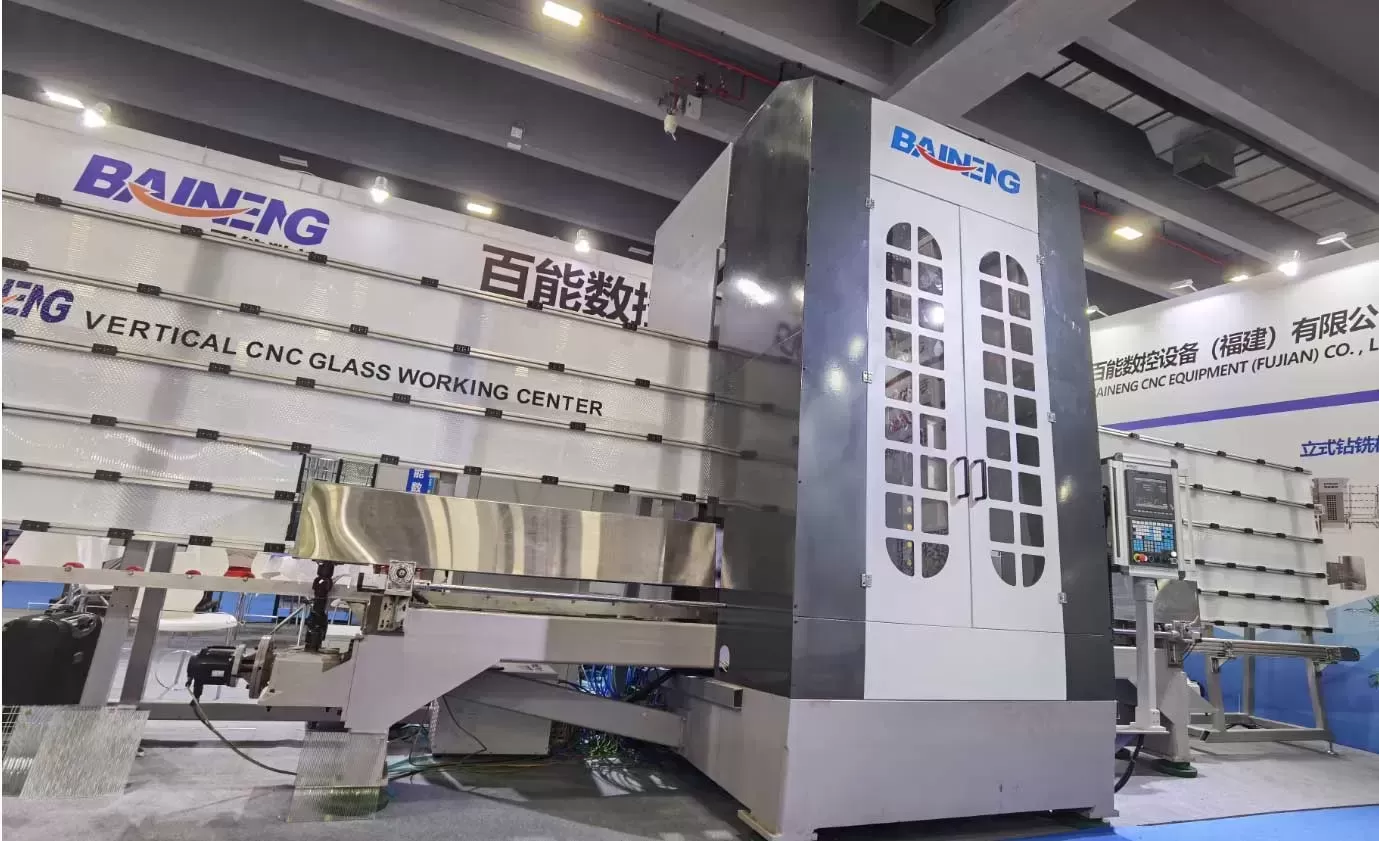
The Material Science Behind Diamond Engraving Tooling
Because glass possesses high hardness and low fracture toughness, standard carbide or high-speed steel cutters are ineffective. CNC machining of glass relies almost exclusively on diamond rotary tools, where industrial diamond grit acts as the cutting agent. These diamonds are embedded into a tool matrix via different bonding methods, each offering distinct advantages based on the application requirements.
Sintered Metal Bond Bits
Sintered bits, also known as impregnated tools, are manufactured by mixing diamond powder with metal powders, which are then compressed and heated under high pressure. This process creates a thick, multi-layered matrix where diamond particles are distributed throughout the entire volume of the tool head.
Self-Sharpening Mechanism: As the outer metal bond wears away during the grinding process, new, sharp diamond grains are continuously exposed. This makes sintered bits highly suitable for deep engraving and high-volume production runs.
Structural Longevity: These tools offer the longest operational lifespan, reducing the need for frequent tool offset adjustments in the CNC controller.
Dressing Requirements: Sintered bits require periodic dressing using an abrasive stone to strip away glazed metal and expose fresh diamond layers when cutting speeds drop.
Electroplated Diamond Bits
Electroplated tooling features a single, highly concentrated layer of diamond particles bonded to a steel shank using a nickel electroplating bath. This manufacturing method allows for very precise geometries and sharp profiles.
High Initial Sharpness: The diamond particles project further from the bond matrix compared to sintered tools, providing aggressive material removal rates and lower initial spindle load.
Complex Geometries: This method is ideal for custom profile shapes, thin V-grooves, and fine detailing where a sintered matrix would be difficult to form.
Finite Lifespan: Once the single layer of diamond abrasive is worn down to the nickel plating, the tool is exhausted and must be replaced, making them less suitable for continuous, deep groove milling.
Polycrystalline Diamond (PCD) Engraving Tools
For specific decorative work and highly precise chamfering, polycrystalline diamond tipped tools are utilized. Instead of using abrasive grit, PCD tools feature a solid micro-crystalline diamond layer sintered to a carbide substrate, acting as a defined cutting edge rather than a grinding point.
Defined Edge Geometry: PCD tools shear the glass at micro-levels, producing a highly polished finish directly from the machine.
High Wear Resistance: PCD maintains its edge shape far longer than electroplated options under specific, highly controlled machining conditions.
Vibration Sensitivity: Due to the rigid nature of PCD, any spindle runout or machine vibration can lead to immediate chipping of the tool edge, requiring stable CNC platforms.
Key Geometric Parameters of Glass Engraving Bits
The profile of the tool directly influences the distribution of mechanical stress on the glass sheet. Selecting the appropriate geometry prevents localized stress concentration, which is the leading cause of structural failure in glass panels.
| Tool Profile | Common Tip Angles / Radii | Primary Application | Mechanical Stress Characteristics |
|---|---|---|---|
| V-Groove (Conical) | 30°, 45°, 60°, 90° | Fine line engraving, lettering, and decorative borders | High stress at the point; requires slow initial plunge rates. |
| Ball-Nose | R0.5mm to R3.0mm | 3D contouring, deep relief carving, fluting | Distributes cutting forces evenly; reduces micro-cracking at the bottom of the cut. |
| Flat Bottom (Cylindrical) | 1.0mm to 10.0mm diameter | Pocket milling, recessing, edge routing | High lateral cutting forces; requires stable coolant flow to prevent corner wear. |
The tip angle of a V-groove tool determines the aesthetic depth perception of the engraved pattern. A narrower angle, such as 30 degrees, allows for deep, dramatic cuts but leaves a delicate tool tip that is susceptible to breaking if feed rates are not managed correctly. Conversely, a 90-degree tool distributes the load across a wider surface area, extending tool life but limiting the maximum achievable depth of the engraving.
Mitigating Industry Challenges: Micro-Chipping and Thermal Stress
In glass processing facilities, two major pain points consistently affect production margins: micro-chipping along the engraved edges and thermal cracking caused by inadequate heat dissipation. Addressing these issues requires systematic control over both tooling parameters and machine calibration.
Glass does not cut in the traditional sense; instead, the diamond grit scratches and crushes the glass surface at a microscopic level, creating a track of controlled micro-fractures. If the size of these fractures exceeds the tolerance limits, visible chipping occurs. To control this, the diamond grit size must be matched to the stage of the process. Coarser grits (such as 120 to 180 mesh) are used for rapid material removal, while finer grits (320 to 600 mesh) are required to achieve a smooth, satin-like surface finish that does not require manual polishing.
Thermal stress is another significant variable. Glass has extremely low thermal conductivity. The heat generated by the friction of the diamond abrasive against the glass cannot be dissipated through the material itself. If the temperature at the contact point rises too quickly, localized thermal expansion occurs, followed by rapid contraction when the coolant hits it, resulting in instant thermal shock fractures.
To prevent thermal failure, continuous and high-pressure flood cooling is mandatory. The coolant delivery system must be directed precisely at the contact point between the glass engraving bits and the workpiece. Water-soluble synthetic coolants are preferred over pure water because they contain rust inhibitors to protect the CNC machinery and surface-active agents that reduce friction, helping to flush glass particles out of the cut zone before they can be re-ground.
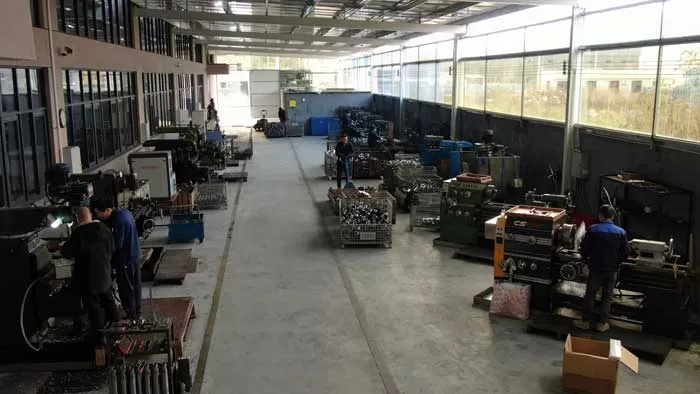
Spindle Speeds, Feed Rates, and CNC Configuration
Running diamond tools at incorrect feed-to-speed ratios accelerates tool wear and leads to poor surface finishes. Because diamond grinding relies on high surface speeds to fracture the glass cleanly, spindle speeds must be kept relatively high compared to metalworking standards.
For a standard 6mm shank diamond engraving bit, a common starting spindle speed ranges between 10,000 and 18,000 RPM, depending on the machine design. The feed rate must be proportional to the spindle speed. If the feed rate is too slow, the tool dwells in one spot, generating excess heat and glazing the diamond matrix. If the feed rate is too fast, the mechanical load exceeds the crushing capacity of the diamond grit, causing severe edge chipping or tool breakage.
A typical operational formula for testing feed rates is to start at approximately 150 mm/min to 500 mm/min, adjusting upward as the stability of the setup allows. Tool runout is another variable that must be checked. High-frequency spindles must be maintained with high-precision collets. A runout of even 0.01 mm can double the impact force on one side of the tool, causing premature wear on half of the diamond circumference and producing uneven engraving depths.
BAINENG CNC engineering standards emphasize the integration of rigid machine frames with high-precision spindles to minimize vibration. When vibrational harmonics are controlled, the diamond bits maintain consistent contact with the glass, resulting in a cleaner cut and extending the working life of the tooling by up to 30%.
Selecting Tooling for Diverse Glass Compositions
Not all glass materials behave identically under a CNC spindle. The chemical formulation of the glass affects its hardness, brittleness, and thermal properties.
Soda-Lime Glass: The most common glass type used in architectural and furniture applications. It is relatively soft but prone to chipping. Standard sintered diamond bits with medium grit (240 mesh) are generally suitable for high-production runs on soda-lime sheets.
Borosilicate Glass: Known for its low thermal expansion, this glass is harder and more resistant to thermal shock than soda-lime. It requires sharper, electroplated diamond bits or softer-bonded sintered tools that expose fresh diamond quickly to prevent glazing.
Fused Silica and Quartz: Extremely hard and abrasive materials. Machining these requires specialized metal-bonded diamond bits, slower feed rates, and highly concentrated coolant systems to manage the rapid tool wear.
Tempered Glass: It is a fundamental rule of glass fabrication that tempered glass cannot be machined or engraved deeply. Any penetration of the compressive surface layer will cause the entire sheet to shatter. All CNC routing, drilling, and engraving must be completed on the annealed glass sheets prior to the heat-treatment process.
B2B Procurement and Tool Life Management
For purchasing managers and floor supervisors, tracking tool consumption is key to maintaining stable operating costs. Implementing a structured tool-wear tracking system allows factories to predict when a bit will fail before it spoils a high-value glass workpiece.
Standardizing tool sizes across different production lines simplifies inventory management. Rather than stocking dozens of custom shapes, many facilities use a core set of standard V-groove and ball-nose tools, adjusting their CNC program paths to achieve different visual effects. When custom tooling is required, partnering with an experienced manufacturer like BAINENG CNC ensures that the tool shank, bond hardness, and diamond grit size are matched precisely to the spindle specifications of your machinery.
Frequently Asked Questions
Q1: Why do my glass engraving bits wear down unevenly?
A1: Uneven wear is typically caused by high spindle runout or incorrect tool alignment. If the collet is worn or dirty, the bit will spin slightly off-center, causing only one side of the tool to make primary contact with the glass. This uneven load causes rapid wear on one side and can lead to premature tool breakage.
Q2: Can I use the same diamond bits for both glass and stone carving?
A2: While both materials require diamond abrasives, the bond hardness differs. Stone is generally more abrasive but less brittle than glass. Using stone-engraving bits on glass can result in excessive chipping because the bond may be too hard, preventing the tool from self-sharpening quickly enough to maintain the clean cutting action required for glass.
Q3: How do I know when a sintered diamond bit needs to be dressed?
A3: A sintered bit needs dressing when you notice a decrease in cutting speed, an increase in spindle load, or visible glazing (where the metal bond looks polished and no diamond grit can be felt on the surface). Running the tool through a soft silicon carbide dressing stone will strip away the glazed metal and expose new diamond grains.
Q4: What is the optimal coolant pressure for CNC glass engraving?
A4: For detailed engraving, volume and direction are more important than ultra-high pressure. A steady flow of 2 to 4 bars is usually sufficient, provided the nozzles are positioned to wash away the glass slurry directly from the cutting zone. For deep pocketing or drilling, internal spindle coolant systems providing higher pressures are beneficial.
Q5: Is it possible to engrave glass without water coolant?
A5: Dry engraving is not recommended for industrial production. Without coolant, the localized heat will cause immediate micro-cracking along the cut path, ruin the diamond tool within seconds due to thermal degradation of the bond, and generate hazardous glass dust that poses health risks to operators.
Inquiry and Consultation
Selecting the correct tooling parameters is a direct path to reducing production reject rates and lowering your cost-per-part metrics. If your production line is experiencing issues with edge quality, short tool lifespan, or inconsistent engraving depths, our engineering team is available to assist you.
Please contact BAINENG CNC with your current machine specifications, glass types, and drawing profiles. We can provide customized recommendations on diamond grit selection, bond types, and spindle parameters tailored to your specific manufacturing requirements.