
 FAQs
FAQs Factory Tour



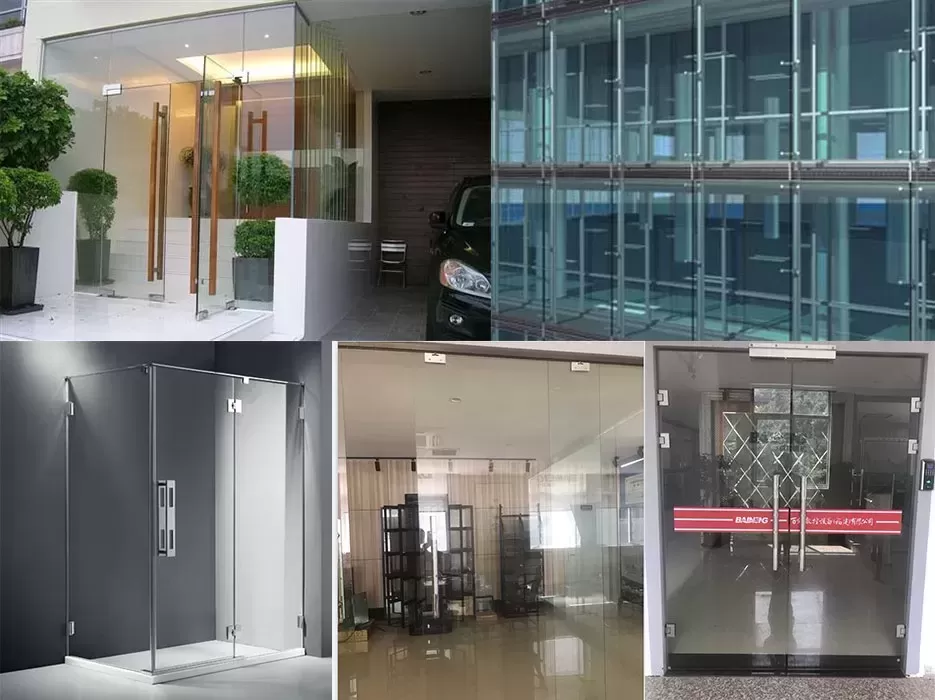
The demand for precision‑machined glass components has expanded beyond simple cutting and edging. Today’s architectural facades, automotive glazing, shower enclosures, and smart appliance panels require drilled holes, milled slots, polished edges, and even artistic engravings—all executed on large‑format flat glass sheets. Achieving these operations with consistent accuracy and acceptable cycle times demands a dedicated machine configuration. The vertical glass working center (referenced throughout this article as vertical glass working center) addresses this need by combining CNC‑controlled spindles, multi‑axis positioning, and a vertically oriented worktable that handles panels up to 3,000 mm × 2,000 mm or larger. This technical guide examines the mechanical architecture, process capabilities, automation integration, and practical considerations for glass fabricators seeking to expand their value‑added portfolio.
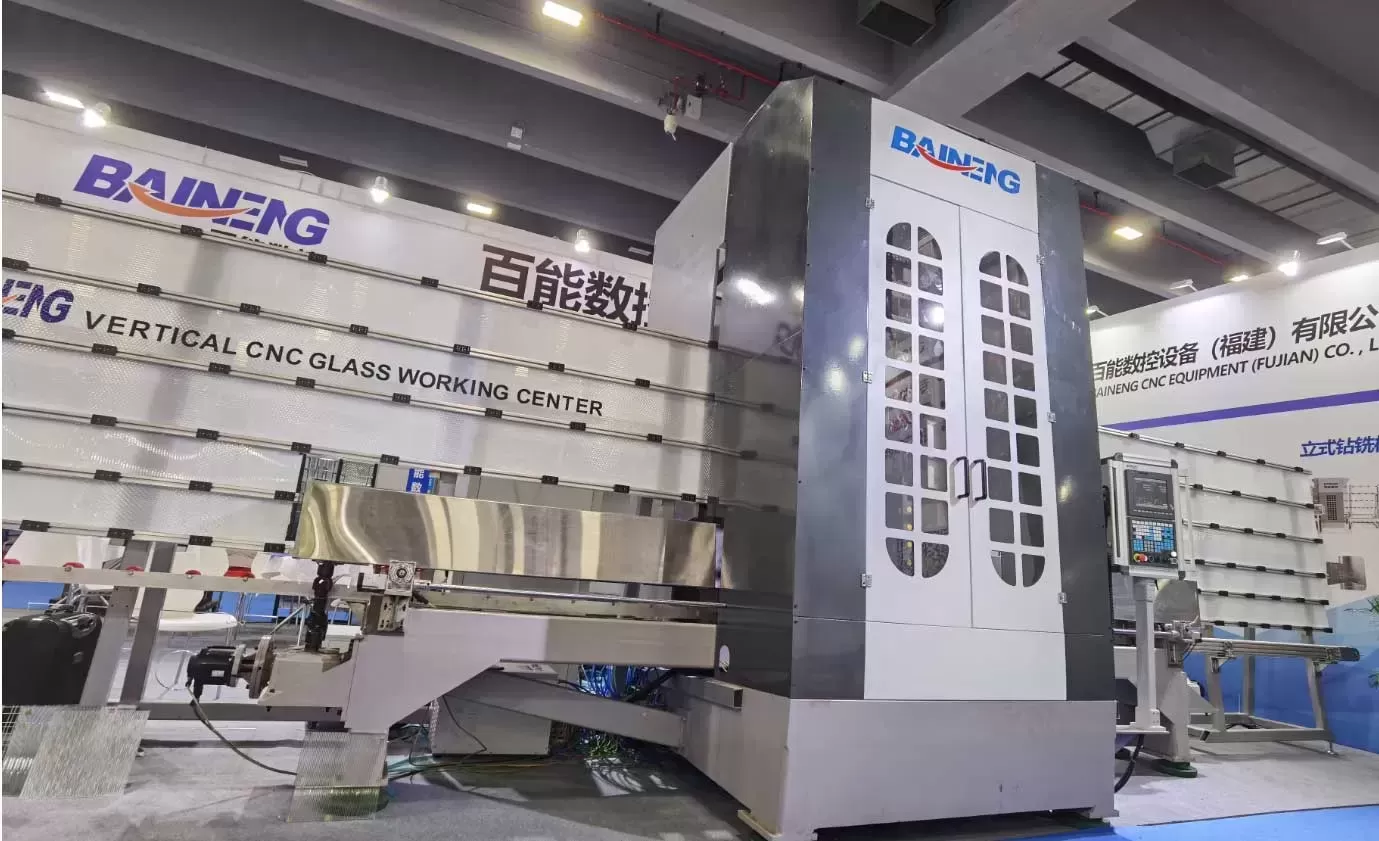
1. Mechanical Architecture of a Vertical Glass Working Center
A vertical glass working center differs fundamentally from horizontal glass processing machines. The workpiece stands nearly upright (typically tilted 5–10° backward for stability), supported by suction cups or an air‑floatation table. This orientation offers several engineering advantages:
Reduced footprint – Vertical configuration occupies less floor space compared to horizontal bridge mills, critical for cramped production cells.
Gravity‑assisted chip and coolant removal – Glass dust, slurry, and cooling water drain downward, preventing recutting and reducing tool wear.
Simplified fixturing – Large glass sheets are naturally supported by the machine bed, eliminating complex clamps that could cause stress fractures.
The basic structure includes a cast iron or welded steel gantry that moves along the X axis (horizontal length), while the Y axis (vertical height) and Z axis (depth, toward the glass surface) are mounted on the crossbeam. Many modern vertical glass working center designs incorporate a fourth rotary axis (C axis) for angled drilling or contouring. Linear guideways are typically pre‑loaded roller type to handle heavy cutting forces during diamond tool engagement. Ball screws or linear motors provide positioning accuracy of ±0.05 mm across the entire working envelope.
2. Key Processing Operations Supported by Vertical Glass Working Centers
Unlike basic edge grinders, a vertical glass working center performs multiple material removal tasks in a single setup. The flexibility comes from automatic tool changers (ATC) that hold diamond core drills, milling cutters, polishing wheels, and engraving bits. Below are the primary operations:
2.1. Through‑Hole Drilling and Stepped Holes
Drilling holes in glass requires careful control of feed rate, spindle speed, and coolant flow to avoid edge chipping or radial cracking. A vertical glass working center uses high‑frequency spindles (6,000–24,000 rpm) equipped with diamond electroplated or sintered core drills. The vertical orientation ensures that glass dust is flushed away by water jets, reducing the risk of clogging the drill tip. Stepped holes for faucet mounts or sensor recesses are produced by interpolating the Z‑axis while rotating an appropriately profiled tool.
2.2. Milling of Grooves, Slots, and Countersinks
Furniture glass, such as shelf brackets or sliding door runners, often requires rectangular cutouts or chamfered edges. Using a vertical glass working center, a ball‑nose diamond mill follows a 3‑axis path to create these features. The process generates heat; therefore, soluble oil or neat oil mist is applied directly to the cutting zone. Industry data indicates that vertical‑oriented milling reduces tool deflection by 30% compared to horizontal machines, because the tool enters the glass from the side, not from the top, minimizing leverage.
2.3. Edge Profiling and Polishing
Many architectural panels demand polished flat edges, pencil edges, or bevels. A vertical glass working center can carry profiling wheels mounted on a dedicated electrospindle. The glass sheet remains stationary while the spindle traverses along the edge profile, executing multiple passes with progressively finer grits (from 120 mesh to 800 mesh). The result is a consistent optical finish without manual intervention. For ogee or complex shapes, the rotary axis positions the tool at varying angles.
2.4. CNC Engraving and Sandblasting Mask Cutting
Logos, decorative patterns, or markings are produced using diamond scribes or small end mills. The vertical glass working center’s high‑precision servos (resolution ≤ 0.001 mm) enable fine details on fragile glass surfaces. Some machines integrate an oscillating tool for vibration‑assisted engraving, which reduces micro‑chipping on soda‑lime glass.
3. Addressing Industry Pain Points Through Vertical Glass Working Centers
Glass fabricators transitioning from manual or semi‑automatic equipment encounter recurring technical and operational issues. Below is a problem‑solution matrix showing how a vertical glass working center resolves each.
Breakage due to uneven clamping – Traditional horizontal drilling machines use side clamps that induce bending stress. The vertical glass working center’s suction cup array distributes force evenly across the glass back surface, with vacuum monitoring to prevent release.
Poor hole positional accuracy – Manual drilling templates drift over time. A vertical glass working center references machine fiducials and optical edge detection, achieving hole‑to‑hole tolerance of ±0.1 mm over 2 meters.
Long changeover times between operations – Moving a heavy glass sheet from a drilling station to a milling station introduces secondary fixturing errors. The vertical glass working center completes all tasks in one clamping cycle, reducing total processing time by 40–60%.
Thermal stress cracking – Consecutive drilling heats the glass locally. Integrated through‑spindle coolant and adaptive feed control (based on torque feedback) lower temperature rise. BAINENG CNC
machines incorporate real‑time thermal monitoring that automatically reduces feed rate when the surface exceeds 65°C.
High consumable tool cost – Inconsistent tool engagement leads to premature diamond layer loss. With rigid vertical kinematics and programmable acceleration profiles, the vertical glass working center extends core drill life by nearly 300% compared to hand‑fed drills, as validated by production logs.
4. Process Parameter Optimization for Vertical Glass Working
Achieving reliable output requires careful selection of spindle speed, feed rate, depth of cut, and coolant strategy. The following table presents recommended starting parameters for common glass types processed on a vertical glass working center.
| Glass Material | Operation | Spindle Speed (rpm) | Feed Rate (mm/min) | Coolant Type |
|---|---|---|---|---|
| Float glass (4–6 mm) | Drilling Ø12 mm | 8,000 | 120 | Water + soluble oil 5% |
| Tempered glass (pre‑drilled) | Milling 5 mm slot | 12,000 | 80 | Neat oil mist |
| Laminated glass (PVB interlayer) | Edge polishing | 4,500 | 600 (passes 3) | Water flood |
| Low‑iron glass (decorative) | Engraving depth 0.3 mm | 18,000 | 200 | Dry with air blast |
| Borosilicate glass | Countersink Ø20 mm | 6,000 | 50 | Water + additive |
Operators should always execute validation runs on scrap glass. Additionally, a vertical glass working center equipped with acoustic emission sensors can detect micro‑cracking onset and automatically retract the tool – a feature offered on advanced BAINENG CNC models.
5. Automation and Software Integration for High‑Mix Production
Modern glass fabrication shops require seamless connectivity between CAD/CAM and the machine tool. The vertical glass working center typically accepts DXF, DWG, or STEP files. CAM post‑processors generate toolpaths that account for glass‑specific behaviors:
Lead‑in/lead‑out ramps – Prevents tool impact at hole entry.
Peck drilling cycles – Periodic tool retraction to clear glass dust.
Compensation for glass thickness variation – Using a thickness sensor probing before each job to adjust Z‑axis zero.
For unattended operation, robotic loading/unloading arms locate the glass sheet via edge sensors and place it onto the vertical table. The vertical glass working center then executes the programmed sequence and signals the robot for removal. This lights‑out capability raises spindle utilization above 85% in two‑shift operations. BAINENG CNC provides an open API that integrates with MES systems to report tool life, cycle counts, and alarm diagnostics automatically.
6. Maintenance and Condition Monitoring of a Vertical Glass Working Center
Given the abrasive nature of glass dust, proactive maintenance is mandatory. A structured plan includes:
Daily cleaning – Flush the work area with high‑pressure water to eliminate accumulated glass sludge that can solidify on guideways.
Weekly inspection of suction cups and seals – Replace any cracked cups to maintain vacuum integrity.
Monthly spindle vibration analysis – Use accelerometer to detect bearing wear; a rise above 2.5 mm/s indicates scheduled rebuild.
Quarterly recalibration of linear scales – Thermal expansion may cause positioning errors; a laser interferometer restores original accuracy.
Toolholder cleaning – Glass dust inside HSK or BT holders leads to runout; clean after every 200 tool changes.
Machine manufacturers often offer remote diagnostics. For instance, a vertical glass working center connected to a cloud dashboard can alert service teams when coolant pressure drops or when the spindle load exceeds configured thresholds, preventing catastrophic failure.
7. Frequently Asked Questions (Engineering & Production Focus)
Q1: What is the maximum glass size that a vertical glass working center can handle?
A1: Standard vertical glass working center configurations accommodate widths from 1,500 mm to 3,300 mm and heights up to 2,500 mm. For jumbo architectural panels, extended gantry models reach 4,200 mm × 2,800 mm with dual‑drive servo synchronization. The limiting factor is the weight capacity of the suction system – typically 300 kg to 800 kg – and the structural rigidity of the machine base.
Q2: Can a vertical glass working center process curved or bent glass?
A2: No, the design assumes a flat glass workpiece. Curved glass requires a specialized 5‑axis horizontal machining center or robotic grinding cell. However, some vertical glass working center models incorporate rotary tilt tables to handle slightly warped glass (≤3 mm deviation) by performing a surface mapping cycle and adjusting tool height dynamically.
Q3: How does the machine prevent water ingress into sensitive components?
A3: High‑grade vertical glass working centers feature IP67‑rated servo motors, stainless steel covers over linear guides, and double‑labyrinth seals on ball screws. The electrical cabinet is pressurized with dry air to prevent condensation. BAINENG CNC implements a coolant collection trough with chip conveyor that separates glass sediment before recirculation, greatly reducing sludge buildup inside the machine.
Q4: What is the typical tool life for diamond drills used in vertical glass working centers?
A4: Under optimal parameters (correct feed, speed, and coolant), a 10 mm diamond core drill can produce 2,000–3,500 holes in 6 mm float glass before noticeable diameter increase occurs. Edge polishing wheels last up to 8,000 linear meters. Tool life declines sharply if the glass contains wire mesh (laminated security glass) or if the coolant mixture is incorrect. Always follow the tool supplier’s surface speed recommendations.
Q5: Is it possible to integrate a vertical glass working center with an existing glass washing line?
A5: Yes. Many fabricators install the working center directly after a washing machine. The washed and dried glass is transferred by conveyor to the machine’s load position. Post‑processing, the glass can proceed to a tempering furnace or packaging station. The vertical glass working center’s control can communicate via digital I/O or Profinet to synchronize conveyors and request next panel, enabling a continuous flow cell.
8. Conclusion: Elevating Glass Fabrication Capabilities with a Vertical Glass Working Center
The shift toward custom‑machined glass components is irreversible. Whether producing shower doors with handle cutouts, glass tabletops with embedded lighting channels, or architectural spandrel panels with precise mounting holes, the vertical glass working center delivers the accuracy, repeatability, and cycle time consistency that manual processes cannot match. By investing in a properly specified machine – one that matches the maximum panel size, tool capacity, and automation level to your production mix – fabricators reduce rework, scrap, and labour dependency. BAINENG CNC offers in‑depth application engineering, on‑site commissioning, and operator training to ensure that your vertical glass working center achieves its specified performance targets from day one.
Request a Process Evaluation & Quotation
To determine the optimal vertical glass working center for your product portfolio, provide the following details to our engineering team: maximum glass dimensions, typical thickness range, required operations (drilling / milling / engraving / polishing), and target daily output. BAINENG CNC will deliver a cycle time simulation, tooling recommendation, and a 3D layout of the machine integrated with your existing material handling system.
Inquiry contact: kobexu@bai-neng.com – reference “Vertical Glass Working Center – [your company]” for a priority technical response. We support customers with validation trials at our demonstration facility.
BAINENG CNC – Precision machinery for the glass industry.