
 FAQs
FAQs Factory Tour



The glass processing industry has undergone a radical transformation, moving away from labor-intensive mechanical methods toward high-precision, automated systems. At the forefront of this shift is the glass laser multi functional machine, a sophisticated piece of equipment designed to handle various tasks ranging from surface etching to intricate subsurface engraving. For industrial manufacturers, understanding the technical nuances of these machines is paramount to maintaining a competitive edge in sectors like architectural glass, automotive components, and high-end furniture.
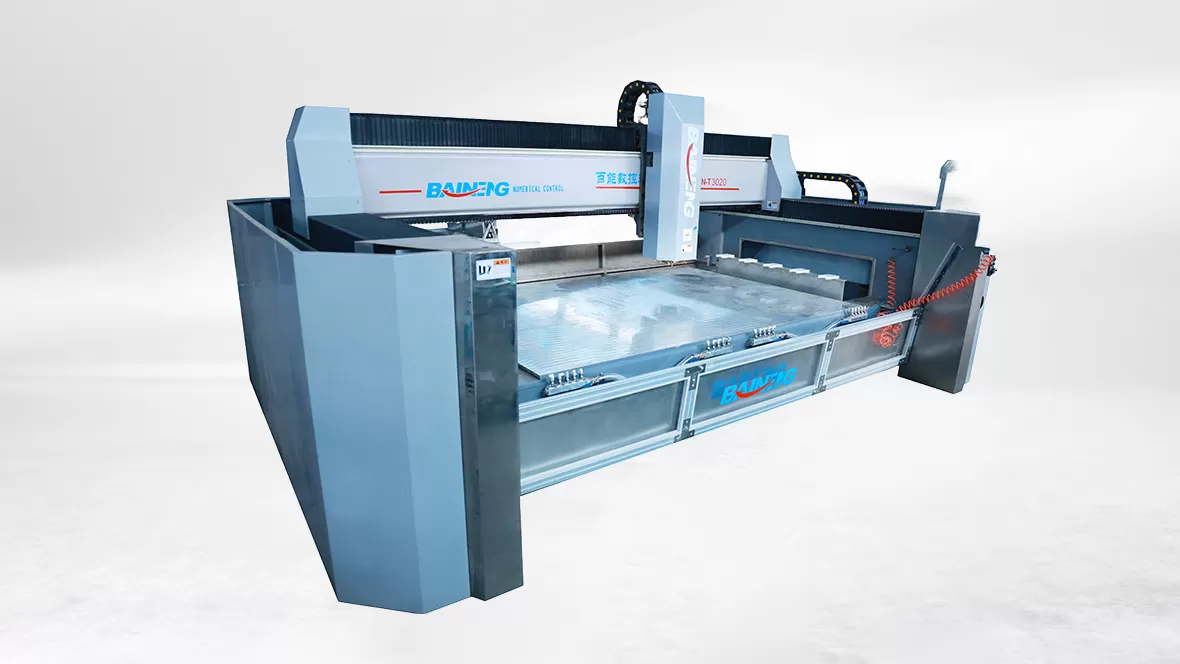
In this analysis, we will examine the mechanical architecture, the physics of laser-glass interaction, and the operational benefits that make the glass laser multi functional machine a cornerstone of modern production lines. By integrating multiple processes into a single workstation, companies like BAINENG are helping factories reduce their footprint while maximizing throughput and accuracy.
The Evolution of Glass Processing: From Mechanical to Photonic
Traditional glass engraving and cutting relied heavily on physical contact. Diamond-tipped tools, sandblasting nozzles, and CNC grinding wheels were the standard. While effective, these methods carry inherent risks, such as mechanical stress leading to micro-fractures, tool wear requiring frequent replacement, and the generation of significant amounts of dust and waste water. The introduction of laser technology changed the paradigm by offering a non-contact solution.
A glass laser multi functional machine utilizes specific wavelengths—typically CO2 (10.6μm) or UV (355nm)—to interact with the glass substrate. Because glass is highly absorptive at these wavelengths, the laser energy can be focused with micron-level precision. This allows for thermal ablation or internal molecular modification without compromising the structural integrity of the surrounding material. This transition from mechanical force to photonic precision is what defines the current era of industrial glass fabrication.
Core Technical Capabilities of the Multi-Functional System
1. Surface Etching and Frosting
One of the primary functions of these machines is high-speed surface etching. Unlike sandblasting, which requires masking and significant cleanup, the laser system uses digital files to direct the beam. This allows for complex gradients and photographic-quality imagery to be etched directly onto the glass surface. The pulse frequency and power intensity are modulated to create a uniform "frosted" appearance that is consistent across large batches.
2. Subsurface Laser Engraving (SSLE)
Advanced models of the glass laser multi functional machine are capable of internal engraving. By focusing the laser beam at a specific point within the glass thickness, the machine creates microscopic fractures that reflect light. When thousands of these points are mapped out in a 3D space, a three-dimensional image appears suspended inside the glass. This is widely used for high-end decorative pieces and anti-counterfeiting marks in industrial components.
3. Coating Removal and Mirror Processing
For the mirror industry, these machines are indispensable. They can precisely remove the silvering or paint layers from the back of a mirror without damaging the glass substrate. This is a required step for producing "smart mirrors" where LED displays or touch sensors need to be integrated into the glass panel. BAINENG systems are often configured to handle these large-format mirror sheets with high repeatability.
4. Micro-Drilling and Cutting
While thick architectural glass is still often cut with waterjets or CNC saws, the laser system excels at micro-drilling and thin-glass cutting. The ability to produce holes with diameters under 1mm without the risk of edge chipping is a significant advantage for electronic glass and laboratory equipment manufacturers.
Addressing Industry Pain Points with Laser Technology
Reducing Material Waste and Breakage
In high-volume B2B manufacturing, the cost of breakage is a significant burden. Mechanical drilling and cutting introduce vibration and thermal shock. A glass laser multi functional machine minimizes the heat-affected zone (HAZ) by using ultra-short pulses. This reduces the internal stress on the glass, leading to a much lower rejection rate during the quality control phase.
Eliminating Consumables and Tool Wear
CNC grinding wheels and drill bits degrade over time, leading to a gradual loss of precision. Laser systems, being non-contact, do not suffer from physical wear. The "tool" is a beam of light that remains as sharp on the thousandth cut as it was on the first. This leads to more predictable maintenance schedules and lower long-term operational costs.
Environmental and Workplace Safety
Traditional sandblasting produces hazardous silica dust, and CNC grinding requires large volumes of coolant and lubricants. The laser process is inherently cleaner. Most systems are equipped with high-efficiency exhaust and filtration units that capture any particulates generated during ablation, creating a safer environment for operators and simplifying compliance with environmental regulations.
Integration with Industry 4.0 and CNC Software
The "multi-functional" aspect of these machines is not just about the hardware; it is deeply tied to the software integration. Modern systems are compatible with industry-standard CAD/CAM software, allowing for a seamless transition from design to production. Digital twin technology and real-time monitoring enable factory managers to track the performance of every glass laser multi functional machine on the floor.
Key software features include:
Automatic nesting to optimize material usage.
Real-time beam compensation for varying glass thicknesses.
Integration with ERP systems for automated job scheduling.
Remote diagnostics to minimize downtime.
Material Compatibility and Specialized Applications
Not all glass is created equal, and a professional-grade machine must be adaptable. Whether processing soda-lime glass, borosilicate glass, or tempered panels, the laser parameters must be finely tuned. For instance, tempered glass requires extremely careful thermal management to prevent the entire sheet from shattering. The sophisticated control systems found in BAINENG equipment allow for the precise modulation of pulse width and peak power to accommodate these sensitive materials.
Specialized applications include:
Anti-slip textures: Creating permanent, high-friction patterns on glass flooring and staircases.
Optical marking: Engraving permanent QR codes or serial numbers for traceability in the automotive supply chain.
Aesthetic partitioning: Detailed patterns for office dividers that provide privacy while maintaining light transmission.
Economic Impact and ROI Analysis for B2B Buyers
When evaluating the acquisition of a glass laser multi functional machine, procurement officers must look beyond the initial capital expenditure. The Return on Investment (ROI) is realized through several channels. First is the reduction in labor; a single operator can oversee multiple laser units, whereas traditional methods often require skilled manual labor for finishing and cleaning. Second is the speed; laser etching is significantly faster than chemical etching or sandblasting for complex designs.
Furthermore, the ability to offer "value-added" services—such as internal engraving or precision coating removal—allows glass processors to move into higher-margin markets. Instead of competing on the price of raw glass panels, they can provide finished, high-tech components for the smart home and luxury architectural sectors.
Maintenance and Longevity of Laser Systems
To ensure the longevity of the equipment, a structured maintenance regime is necessary. While there are no bits to sharpen, the optical path must be kept pristine. Mirrors and lenses require periodic cleaning to prevent energy loss. The cooling system, usually a closed-loop water chiller, must be monitored to ensure the laser source remains at a stable operating temperature. High-quality components in the motion control system, such as linear motors and high-resolution encoders, contribute to the machine's ability to maintain sub-micron accuracy over years of continuous operation.
Conclusion: The Future of Glass Fabrication
The integration of laser technology into the glass industry is no longer a luxury—it is a necessity for those looking to scale their operations and meet the rising demands for precision and customization. The versatility of the glass laser multi functional machine enables manufacturers to consolidate their production lines, reduce waste, and produce designs that were previously impossible to achieve with mechanical tools. As the technology continues to advance, we expect to see even greater speeds and deeper integration with artificial intelligence for autonomous quality inspection.
For companies seeking to modernize their facilities, BAINENG provides the technical expertise and robust hardware required to navigate this transition successfully. By focusing on durability, precision, and user-friendly interfaces, these machines represent the pinnacle of current glass processing technology.
Frequently Asked Questions (FAQ)
Q1: Can a glass laser multi functional machine cut through thick architectural glass?
A1: While these machines excel at etching, marking, and micro-drilling, they are not typically used for primary cutting of glass thicker than 2-3mm. For thick architectural glass, they are usually used in conjunction with CNC cutting tables or waterjets to provide the decorative or functional finishing touches after the glass has been sized.
Q2: Is the engraving produced by the laser permanent?
A2: Yes, laser engraving is a permanent physical change to the glass surface or interior. It does not fade, peel, or wear off over time, making it ideal for architectural applications and industrial marking where durability is fundamental.
Q3: Does the laser process weaken the glass?
A3: When configured correctly, the laser has a negligible impact on the overall structural integrity. By minimizing the heat-affected zone, the machine prevents the development of large stress points. However, the parameters must be set according to the specific type of glass being processed.
Q4: What kind of file formats are compatible with these machines?
A4: Most professional systems support standard vector and raster formats, including DXF, AI, PLT, BMP, and JPG. This allows designers to use familiar tools like AutoCAD, CorelDraw, or Adobe Illustrator to create their patterns.
Q5: What is the typical lifespan of the laser source in these machines?
A5: The lifespan depends on the type of laser. CO2 laser tubes can last between 10,000 to 20,000 hours depending on usage, while solid-state UV or Fiber lasers can often exceed 30,000 to 50,000 hours before requiring significant maintenance or replacement.
Interested in optimizing your glass production with the latest laser technology?
Our team of technical experts is ready to provide a detailed consultation tailored to your specific manufacturing needs. Contact us today for a technical proposal and a formal inquiry regarding our latest machinery solutions.
Contact us for an Inquiry today.
