
 FAQs
FAQs Factory Tour



Manufacturing professionals across optics, automotive, electronics, and architectural glass sectors regularly face a fundamental decision: apply laser etching or chemical (acid) etching for marking, texturing, or engraving glass surfaces. Each method stems from completely different material removal physics, leading to distinct outcomes in edge geometry, subsurface damage, throughput, and environmental compliance. This guide provides a side-by-side technical evaluation of both processes, focusing on measurable parameters such as etch depth uniformity, surface roughness (Ra), micro-crack density, and operation scalability. No promotional language—only data and field observations from high-mix production environments.
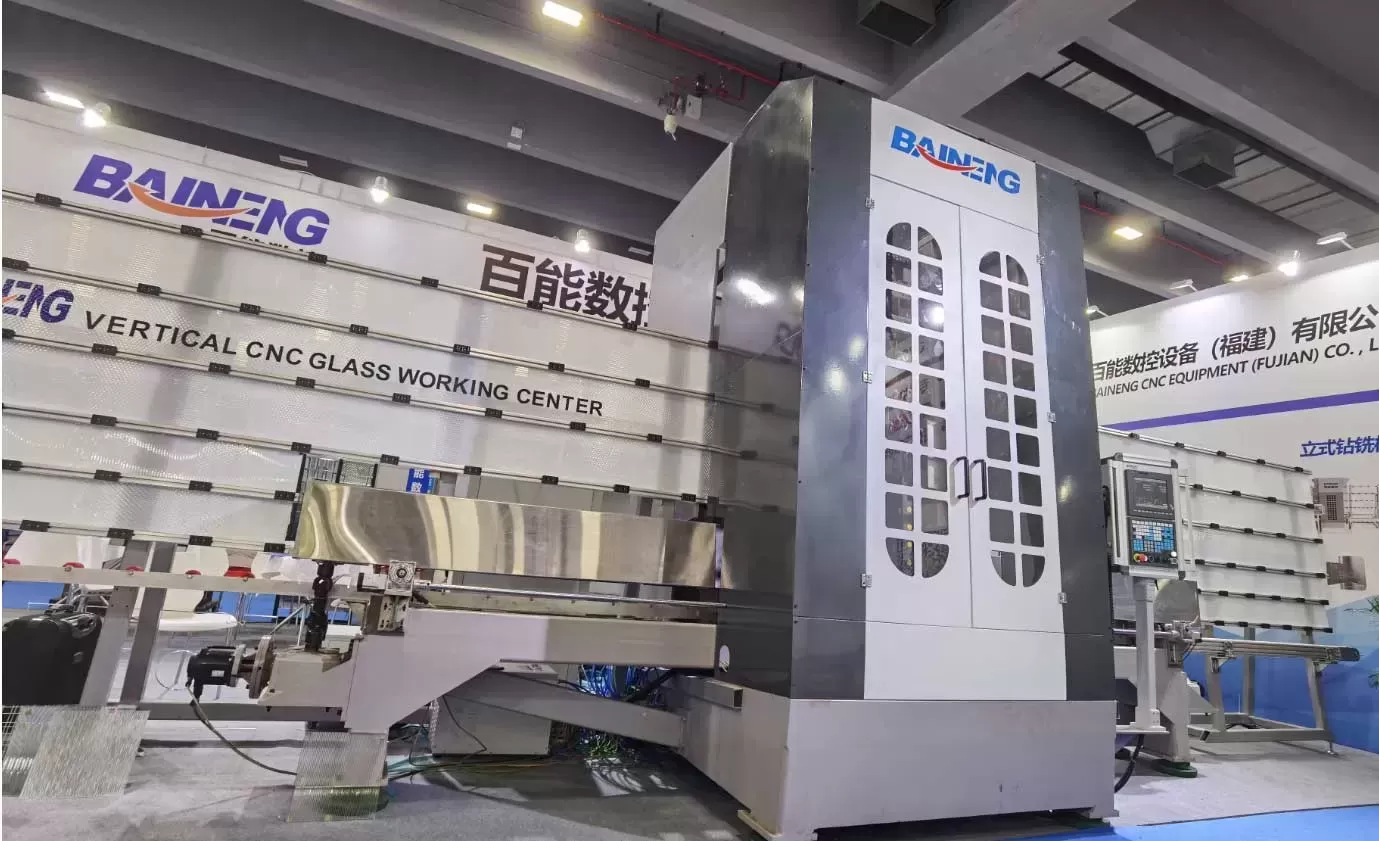
1. Fundamental Material Removal Mechanisms
Understanding how each technique removes glass dictates all downstream characteristics.
Laser Etching: Thermal-Mechanical Fracture or Ablation
Industrial laser etching of glass primarily relies on controlled thermal shock (using CO₂ lasers at 10.6 µm) or photo-ablative decomposition (using UV lasers at 355 nm). With CO₂ sources, the glass surface absorbs infrared energy within a thin layer (10–20 µm), causing rapid heating exceeding the glass transition temperature. The subsequent thermal expansion generates tensile stress, leading to micro-fractures that scatter light—producing a matte, etched appearance. No material is melted or reflowed; instead, tiny conchoidal fractures are formed. Key parameters include power density (20–80 W/cm²), pulse frequency (20–50 kHz), and scan speed (400–1200 mm/s). Fiber lasers at 1064 nm are seldom used for surface etching due to high transmission, but they enable subsurface marking through nonlinear absorption.
Chemical Etching: Isotropic Dissolution
Chemical etching (commonly called acid etching or wet etching) involves applying an acidic solution—typically hydrofluoric acid (HF) or buffered oxide etch (BOE)—to the glass surface. The fluoride ions attack the silicon-oxygen network, converting SiO₂ into water-soluble hexafluorosilicate compounds. The reaction proceeds uniformly in all directions from the exposed area, leading to isotropic material removal. To create patterns, manufacturers apply a protective mask (photoresist, wax, or polymer film) that resists the acid. The etch rate depends on acid concentration (5–20% HF), temperature (20–40°C), and glass composition. Soda-lime glass etches faster than borosilicate due to higher alkali content.
Critical distinction: laser etching is directional and leaves a textured, fractured surface; chemical etching produces a smooth, glossy cavity with rounded edges.
2. Dimensional Accuracy and Edge Profile Comparison
For industrial applications requiring precise geometries (graduation marks, alignment fiducials, microfluidic channels), edge quality and feature resolution are decisive.
Laser etching resolution: Spot size ranges from 50 µm (short-focus CO₂) down to 20 µm (UV laser). Feature edge sharpness is excellent—vertical walls with minimal tapering (angle <5°). However, micro-cracks extend 10–30 µm beyond the visible mark. Under magnification, the edge shows a rough, chipped appearance.
Chemical etching resolution: Constrained by mask quality and undercut. For a 100 µm wide line, isotropic etching produces an undercut of approximately the same depth as the etch. For example, etching 50 µm deep results in a 50 µm undercut per side, reducing pattern fidelity. Sub-millimeter features require thin resist and short etch times. Edge profile is rounded, not vertical.
Depth control: Laser etching achieves depth repeatability of ±5 µm on flat surfaces when using closed-loop power monitoring. Chemical etching depth control depends on time, temperature, and acid refresh rate; typical batch variations of ±10–15 µm are expected. For shallow etches (<30 µm), lasers offer better uniformity.
For applications like barcode engraving on pharmaceutical vials, laser etching is preferred due to high edge contrast and no undercut. For decorative matte finishes on large panels (e.g., bathroom glass), chemical etching provides a uniform, fingerprint-resistant surface without micro-cracks.
3. Surface Integrity and Post-Process Mechanical Strength
A major industrial pain point: both methods introduce residual stress or damage that can weaken glass components.
Laser-Induced Damage Layer
The thermal fracture mechanism generates a network of micro-cracks and a heat-affected zone (HAZ) where residual tensile stress remains. Four-point bending tests show that CO₂ laser-etched glass loses 25–40% of its original flexural strength compared to unmarked glass. The reduction depends on etch depth and line spacing. To mitigate, manufacturers often apply a flame-polishing pass (low-power, wide defocus) that melts the crack tips, recovering up to 80% of original strength. For tempered glass, laser etching deeper than 100 µm can trigger spontaneous fracture due to stress redistribution.
Chemical Etching-Induced Damage
Properly controlled chemical etching does not create micro-cracks because material removal occurs through dissolution. The resulting surface is free of fractures, and the etched cavity exhibits a smooth topography (Ra 0.2–0.5 µm). However, two issues persist: (1) hydrogen fluoride residues can cause delayed etching if not thoroughly neutralized; (2) if the glass has pre-existing subcritical flaws (grinding marks), acid can preferentially attack these sites, enlarging them. In practice, chemically etched glass retains 90–95% of its pristine strength. For load-bearing glass components (e.g., optical windows, automotive interior panels), chemical etching is safer when structural integrity is critical.
4. Throughput and Production Scalability
For B2B operations with daily volumes exceeding 5,000 parts, workflow integration and cycle times determine economic viability.
Laser etching cycle time: A single 100 mm × 100 mm pattern with medium density (hatch spacing 0.08 mm) takes 15–40 seconds on a 60W CO₂ laser using a galvanometer scanner. No mask application or drying time. Batch processing is done by moving the workpiece under the beam. Modern systems from BAINENG CNC include pass-through conveyors and inline autofocus, reducing total cycle to 12 seconds per part. Laser suits high-mix, just-in-time production because parameters change instantly via software.
Chemical etching cycle time: The process includes surface cleaning, mask application (spray or roller coating), mask exposure/curing (for photoresist), acid immersion (2–8 minutes), rinsing, mask stripping, and drying. Total throughput time ranges from 15–30 minutes per batch, but batch sizes can be large (e.g., 50 glass panels simultaneously). For extremely high volumes (>20,000 parts/day) of identical parts, chemical etching achieves lower per-part cost. However, changeover between designs requires new masks or screening tools, adding hours of downtime.
Hybrid approaches exist: use laser to scribe a mask pattern, then chemically etch to remove glass uniformly—combining resolution with strength. This method is common in micro-electro-mechanical systems (MEMS) glass processing.
5. Material Compatibility and Glass Composition Limits
Not all glass types respond identically to either process.
Laser Process Limitations
Soda-lime glass etches well with CO₂ lasers. Borosilicate (e.g., Schott Borofloat, Pyrex) has lower thermal expansion, making it more resistant to thermal fracture. To etch borosilicate, higher pulse energies (up to 80% power on 100W laser) or multiple passes (3–5 passes) are required. Quartz glass (fused silica) is very difficult to etch with CO₂ because of its extreme thermal stability and low absorption; UV laser ablation is more effective but slower. Coated glasses (low-E, anti-reflective) may show delamination around the laser mark.
Chemical Process Limitations
Chemical etching works on all silica-based glasses, but etch rates vary dramatically: soda-lime 2–4 µm/min in 5% HF; borosilicate 0.5–1 µm/min; fused silica <0.3 µm/min. Lead glasses react with HF to form insoluble lead fluoride precipitates, causing rough surfaces. Chemically strengthened glass (e.g., Gorilla Glass) etches non-uniformly due to residual compressive stress layers. Additionally, any aluminum-magnesium silicate glass (ceramic glass) resists HF, requiring higher concentrations. Acid etching also attacks any exposed metallic components or coatings.
For most general industrial glass (soda-lime, low-iron), both methods are viable. For specialty glasses, pilot testing is mandatory.
6. Environmental, Safety, and Regulatory Compliance
Increasingly, manufacturing decisions are shaped by worker safety and waste disposal regulations.
Laser etching: Produces glass dust (silica particulate) and potentially volatile organic compounds if coated glass is processed. Fume extraction systems with HEPA and activated carbon filters are standard. No liquid waste. Operator protection requires Class 1 laser enclosures and laser safety eyewear. Overall, laser etching is easier to contain and does not generate hazardous chemical waste.
Chemical etching: Uses hydrofluoric acid (HF), which is highly corrosive, toxic, and penetrates skin rapidly. Spent HF waste must be neutralized (calcium hydroxide to form insoluble CaF₂) and disposed of as hazardous solid waste. Any spill requires immediate decontamination. Ventilation must remove HF fumes (occupational exposure limit: 3 ppm). Many jurisdictions require secondary containment and permitting for HF storage above 1 kg. The cost and administrative burden of HF waste treatment can be significant. Some facilities are replacing HF with fluoride-free alternatives (e.g., ammonium bifluoride or hot caustic solutions), but these have slower etch rates.
For companies seeking lean environmental compliance, laser etching offers a clear advantage. BAINENG CNC's enclosed laser workstations integrate dust collection and comply with CE and FDA CDRH standards, allowing placement near general assembly lines without separate chemical storage zones.
.webp?t=1779355623543 "ScreenShot_2026-05-11_155453_491 (1)")
7. Typical Industrial Applications and Selection Matrix
Below is a practical guide mapping application requirements to the preferred method.
Deep engraving (>200 µm) for tactile signs (Braille, warning labels): Laser only. Chemical etching of such depths causes extreme undercut and long process times.
High-contrast black or white marks (using specialty pre-coats): Laser with marking spray — faster than chemical masking.
Frosted, uniform panels for touch-sensitive interfaces (smooth to touch): Chemical etching (or sandblasting) provides a smoother, non-fractured surface. Laser leaves a slightly gritty texture that may trap dirt.
Serial numbers, Data Matrix, QR codes with high edge definition: Laser etching (UV or CO₂) because undercut from chemical etching would reduce scannability.
Microfluidic channels in glass chips (width <50 µm, depth <20 µm): Laser direct ablation followed by a short chemical polish to remove micro-cracks. Not purely chemical due to undercut limiting aspect ratio.
Large-area decorative patterns (e.g., entire glass door): Chemical etching — faster area coverage per batch and lower residual stress.
Production lines with frequent design changes (custom glassware, short runs): Laser etching eliminates mask changeover.
For many job shops, owning both technologies provides maximum flexibility. However, when capital and space are constrained, laser etching addresses a wider range of marking tasks with lower regulatory overhead.
8. Process Integration and Automation Readiness
Modern B2B environments seek equipment that integrates with MES (Manufacturing Execution Systems) and Industry 4.0 protocols. Laser etching systems from BAINENG CNC offer PLC interfaces, barcode scanning for automatic job loading, and real-time power logging. Chemical etching lines, by contrast, involve wet benches, robotic handling, and drying ovens; automation is possible but requires significant engineering. For facilities that already operate wet chemistry lines (e.g., PCB etching, metal plating), adding glass etching is a natural extension. For dry manufacturing floors, laser systems are far simpler to install.
Frequently Asked Questions (FAQ)
Q1: Can chemical etching achieve the same fine detail as a 50 µm laser spot?
A1: No. Due to isotropic undercut, chemical etching cannot produce vertical sidewalls. For a 50 µm deep etch, the undercut widens the feature by approximately 50 µm per side. Minimum feature size with chemical etching is roughly 3–4 times the etch depth. Laser etching maintains feature size regardless of depth (within thermal limits). For barcodes or micro-text, laser is the only practical choice.
Q2: Which method causes less edge chipping on thin glass (0.7 mm thick) used for display covers?
A2: Chemical etching, provided the glass edges are not pre-scored. The isotropic etching leaves a smooth, radiused edge that distributes stress. Laser etching on thin glass carries a high risk of edge spallation and cracks propagating from the kerf. If laser must be used, reduce power to 20–30%, increase speed to >1000 mm/s, and apply a heat sink pad.
Q3: How do I remove the white residue after chemical etching with HF?
A3: The white residue is typically silica gel or insoluble fluorides. Rinse thoroughly with deionized water, then perform a short dip in diluted hydrochloric acid (5% HCl, 30 seconds), followed by another water rinse. Avoid using HF for residue removal as it continues etching. For laser etching, residue is minimal and removed by a soft brush under running water.
Q4: Is it possible to etch both sides of a glass pane simultaneously with a laser?
A4: Standard laser systems etch one side at a time. To mark both sides, you must flip the glass manually or use a dual-head laser (two sources facing each other). Chemical etching can etch both sides simultaneously by immersing the entire pane in an acid bath, but both sides will be etched exactly alike. For functional reasons (e.g., left-side marking only), masking one side is required.
Q5: Which process works better for anti-slip patterns on glass stair treads?
A5: Laser etching. The micro-fractured surface creates a higher coefficient of friction (COF 0.7–0.9) compared to chemically etched smooth surfaces (COF 0.2–0.4). Additionally, laser patterns can be designed as raised dots or cross-hatch without undercut, providing grip even when wet. Chemical etching would produce glossy recessed patterns, offering minimal slip resistance.
Q6: What is the typical lifetime of a CO₂ laser tube for glass etching before replacement?
A6: For sealed CO₂ laser sources (metal tube, radio frequency excited), typical operational lifetime ranges from 20,000 to 45,000 hours depending on duty cycle and power level. Glass tube DC-excited lasers last 3,000–8,000 hours and are not recommended for industrial glass etching due to instability. When using BAINENG CNC industrial platforms, the RF tube is rated for 30,000 hours with gradual power decline (10–15% at end of life).
Q7: Does chemical etching weaken tempered glass more than laser etching?
A7: No, the opposite is true. Tempered glass has a compressive surface layer. Laser etching penetrates this layer and creates micro-cracks that cause spontaneous breakage in many cases. Chemical etching, being isotropic and crack-free, removes the compressive layer gradually but does not introduce new fracture origins. That said, any etching on tempered glass voids its safety certification unless depth is <50 µm and edge radius is maintained. For tempered components, we recommend mechanical or sandblasting marking instead.
Make an Informed Process Selection for Your Glass Production
Both laser and chemical etching have well-defined sweet spots. The optimal choice depends on three factors: required edge quality (sharp vs. rounded), production batch size and mix (high-mix favors laser), and environmental infrastructure (chemical waste processing vs. dry extraction). For many manufacturers, starting with a laser etching cell provides the lowest barrier to entry and fastest return on tooling, as it eliminates mask costs and chemical permits. BAINENG CNC offers test-etching services for customer-supplied glass substrates—submit your design files and material specifications to receive a detailed process report, including achievable tolerances, surface roughness measurements, and cycle time projections. Our engineering team will also help you compare the total operational footprint of both methods based on your specific production volume.
Request a technical consultation and sample etching today → Send Inquiry to BAINENG CNC Industrial Solutions