
 FAQs
FAQs Factory Tour



The manufacturing sector has seen a decentralized shift. Industrial capability is no longer confined to massive factory floors. For entrepreneurs, small design studios, and specialized glass fabricators, acquiring a high-precision glass etching machine for home studios or compact workshops has become a practical pathway to high-value customization. Delivering pristine designs on a fragile substrate requires an understanding of mechanical forces, tool dynamics, and material properties. BAINENG CNC provides equipment tailored to bridge the gap between industrial reliability and compact footprint operations, ensuring consistent results even outside traditional industrial zones.
Processing glass on a smaller scale introduces unique engineering demands. Unlike metals or plastics, glass has high hardness but low fracture toughness. This combination makes it susceptible to subsurface cracking when subjected to improper mechanical load or thermal shock. Selecting the right equipment requires analyzing how different machinery handles stress, vibration, and tool-to-substrate interaction within a smaller spatial footprint.
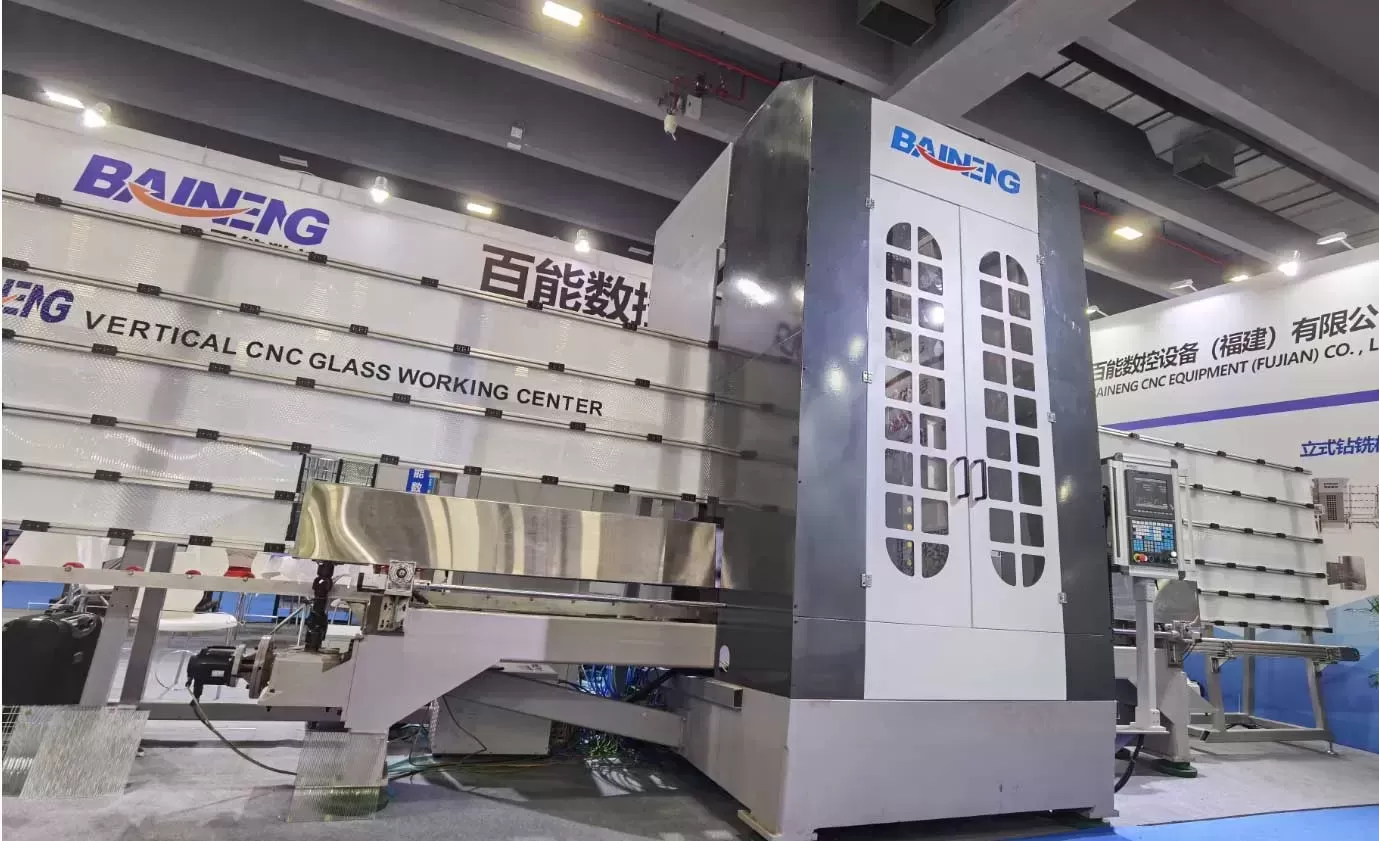
Evaluating Core Technologies for Small-Scale Glass Processing
To make an informed acquisition, a processor must analyze the distinct physical mechanisms used to ablate or engrave glass surfaces in a compact setting. Each method presents specific advantages and operational parameters that dictate its suitability for specific product lines.
Mechanical CNC Diamond Scribing and Milling
This method relies on physical contact between a rotating diamond-impregnated tool and the glass substrate. The process requires high spindle speeds, often ranging from 10,000 to 24,000 RPM, paired with low feed rates to avoid exceeding the fracture toughness of the glass. A major design consideration for a compact CNC unit is the stability of the spindle and the quality of the linear guideways. Minimizing spindle runout is necessary; even a deviation of a few microns can cause catastrophic chipping along the engraved path.
The mechanical approach excels at producing deep, structural V-grooves and dimensional profiles. It allows for variable depth control, which is difficult to replicate with other methods. To maintain tool life and prevent thermal stress in the glass, a continuous flow of water or coolant emulsion is required. This necessitates an integrated fluid recycling system within the machinery, a feature that distinguishes professional-grade workshop units from basic hobbyist tools.
Laser-Based Surface Ablation
Using a CO2 laser source, this method relies on localized thermal shock. The laser beam heats the water molecules and silica structure within the glass rapidly, causing micro-fracturing at a microscopic level. While fast and non-contact, thermal stress can weaken the surrounding glass matrix if not carefully managed. Soda-lime glass and borosilicate glass react differently to thermal processing, requiring precise control over laser frequency and pulse duration.
Laser processing does not require physical clamping or coolant, making the operational footprint clean. However, the resulting finish is typically a light, frosted surface rather than a deep, polished groove. Particulate management is also an issue; vaporized silica and glass dust require robust extraction and filtration systems to ensure safe indoor air quality in a residential or small studio environment.
Abrasive Sandblast Etching
Though manual, some semi-automated setups use a closed cabinet system to propel silicon carbide or aluminum oxide grit against a masked glass surface. This provides a deep, uniform frosted finish but lacks the multi-axis vector capability of a dedicated computer-controlled glass etching machine for home or light-industrial workshops. It is often used in tandem with digital stencil cutters, serving as a secondary finishing process rather than a standalone automated solution.
Key Structural Features of a Professional Glass Etching Machine for Home Use
When downscaling industrial machinery for home workshops, structural integrity must not be compromised. Heavy cast iron or welded steel frames are preferred over light aluminum extrusions. Glass processing is highly sensitive to harmonic vibrations; structural resonance can lead to irregular tool paths, poor surface finish, and premature tool breakage.
The drive system is another area where design choices impact output quality. High-precision ball screws on all axes, combined with closed-loop stepper or AC servo motors, provide the necessary positional accuracy. Belt-driven systems, while cost-efficient, often introduce backlash and lack the rigidity required to resist the lateral forces generated during mechanical diamond engraving.
Water and dust containment systems are vital when operating within a limited workspace. A professional machine must feature full enclosure guarding to contain coolant mist and glass particulates. This protects the operator and shields adjacent electronic components from conductive glass dust, which can cause electrical failures over time.
Managing Tooling and Substrate Variables
The interaction between the cutting tool and the glass substrate is governed by several physical laws. Understanding these variables allows operators to configure their equipment for maximum productivity and tool longevity.
Substrate Hardness: Standard soda-lime float glass has a different Mohs hardness compared to borosilicate or tempered glass. Tempered glass cannot be engraved mechanically as it will shatter due to internal tension.
Spindle Runout: High-precision spindles with ceramic bearings minimize runout, ensuring the diamond tool contacts the glass uniformly during each rotation.
Feed Rate and Depth of Cut: Successive shallow passes are superior to a single deep cut. This reduces the mechanical load on the tool tip and prevents micro-fracturing.
Coolant Delivery: Direct flood cooling at the tool-workpiece interface removes heat and flushes away glass chips before they can be re-cut, extending tool life significantly.
Tool wear is a continuous factor in mechanical engraving. Diamond-plated rotary burs and carbide cutters must be inspected regularly. As the diamond grit wears down, the mechanical force required to ablate the glass increases, which elevates the risk of thermal cracking and surface chipping. Modern CNC software integrated with BAINENG CNC equipment allows operators to program wear compensation values, maintaining consistent depth of cut over extended production runs.
Process Integration and Software Workflow
An effective glass processing workflow depends on software compatibility. The transformation of a digital design into a physical engraving requires precise translation through CAD/CAM software. Most professional-grade systems utilize standard G-code, allowing operators to design in popular vector illustration programs before importing the paths into CAM software to define tool parameters, spindle speeds, and feed rates.
For home-based operations, ease of software integration reduces setup times and minimizes material waste. The control software must offer real-time visualization of the toolpath and allow for mid-cycle feed rate adjustments. This level of control is particularly useful when working with inconsistent hand-blown glass or substrates with slight surface variations.
Evaluating the Economic Viability for Small Businesses
Investing in a professional glass etching machine for home production requires a balance between capital expenditure and operational returns. While entry-level hobbyist tools have low acquisition costs, they often lack the durability and precision needed to sustain a commercial operation. Frequent downtime, high scrap rates, and rapid tool degradation can offset any initial savings.
High-quality machinery built with industrial-grade components offers lower operational costs over time. The ability to run continuous cycles with minimal maintenance allows small businesses to meet client deadlines reliably. Furthermore, the precision achieved by robust motion control components enables operators to charge premium prices for high-end architectural pieces, customized awards, and intricate glassware.
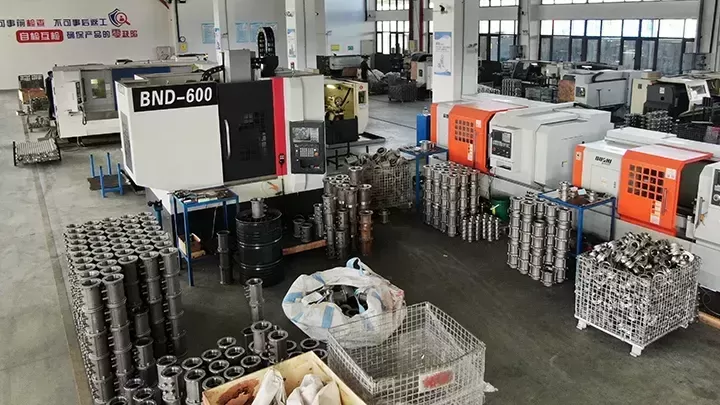
Partnering with BAINENG CNC for Custom Machinery Solutions
Selecting the appropriate machinery involves matching specific production goals with the correct mechanical configurations. BAINENG CNC designs and manufactures high-performance glass engraving and processing equipment suited for various operating environments. By focusing on structural rigidity, advanced motion control, and reliable coolant management, our systems deliver industrial-grade performance in configurations accessible to growing businesses and specialized workshops.
If you are planning to upgrade your production capabilities or install a dedicated glass etching machine for home-based commercial manufacturing, contact our technical sales team. We can discuss your specific application, evaluate material requirements, and recommend the optimal machinery configuration for your business needs.
Please submit an inquiry detailing your production requirements, and our engineering team will provide a comprehensive technical proposal.
Frequently Asked Questions
Q1: Can tempered glass be processed using a mechanical glass etching machine for home workshops?
A1: No, tempered glass cannot be mechanically engraved or etched using CNC tooling. The tempering process creates high internal tensile stresses within the glass. Any physical penetration of the surface layer will release these stresses, causing the entire sheet to shatter immediately. All cutting and engraving must be performed prior to the tempering heat treatment.
Q2: What electrical power supply is required for a compact CNC glass engraving machine?
A2: Most compact and workshop-focused glass engraving machines are configured to run on single-phase 220V power supplies, making them compatible with standard light-industrial or residential electrical setups. Larger industrial models typically require three-phase power (380V or higher) to support high-capacity spindles and vacuum hold-down tables.
Q3: How does the machine handle the fine glass dust generated during dry laser processing?
A3: Dry laser processing of glass generates fine silica particulates that pose inhalation risks. A professional setup must be paired with an industrial fume extractor equipped with HEPA and activated carbon filtration. This system captures the microscopic debris at the point of ablation, protecting the operator and keeping the machine's optical components clean.
Q4: Is a constant water supply necessary for mechanical CNC glass engraving?
A4: Yes, mechanical diamond engraving requires continuous cooling. Water serves two purposes: it cools the diamond tool and the glass substrate to prevent thermal fracturing, and it flushes the glass sludge away from the cutting path. Most professional machines utilize a closed-loop water recirculation system with sediment filtration tanks to minimize water consumption and contain waste.
Q5: What is the average lifespan of diamond-impregnated engraving tools?
A5: Tool lifespan depends on spindle speed, feed rate, coolant efficiency, and the hardness of the glass substrate. Under optimal operating conditions with flood cooling and appropriate feed rates, a high-quality diamond bur can perform several dozen hours of active engraving. Insufficient cooling or excessive feed rates can destroy a tool within minutes due to diamond friction burnoff.