
 FAQs
FAQs Factory Tour



The global demand for high-end glass packaging in the cosmetics, spirits, and luxury beverage sectors has driven manufacturers to seek high-precision customization methods. Traditional decoration techniques, such as acid etching and sandblasting, face increasing regulatory scrutiny due to environmental concerns. Laser marking, while fast, often lacks the physical depth and tactile quality required for premium branding. Consequently, CNC-controlled mechanical engraving has become a primary solution for high-volume glass decoration.
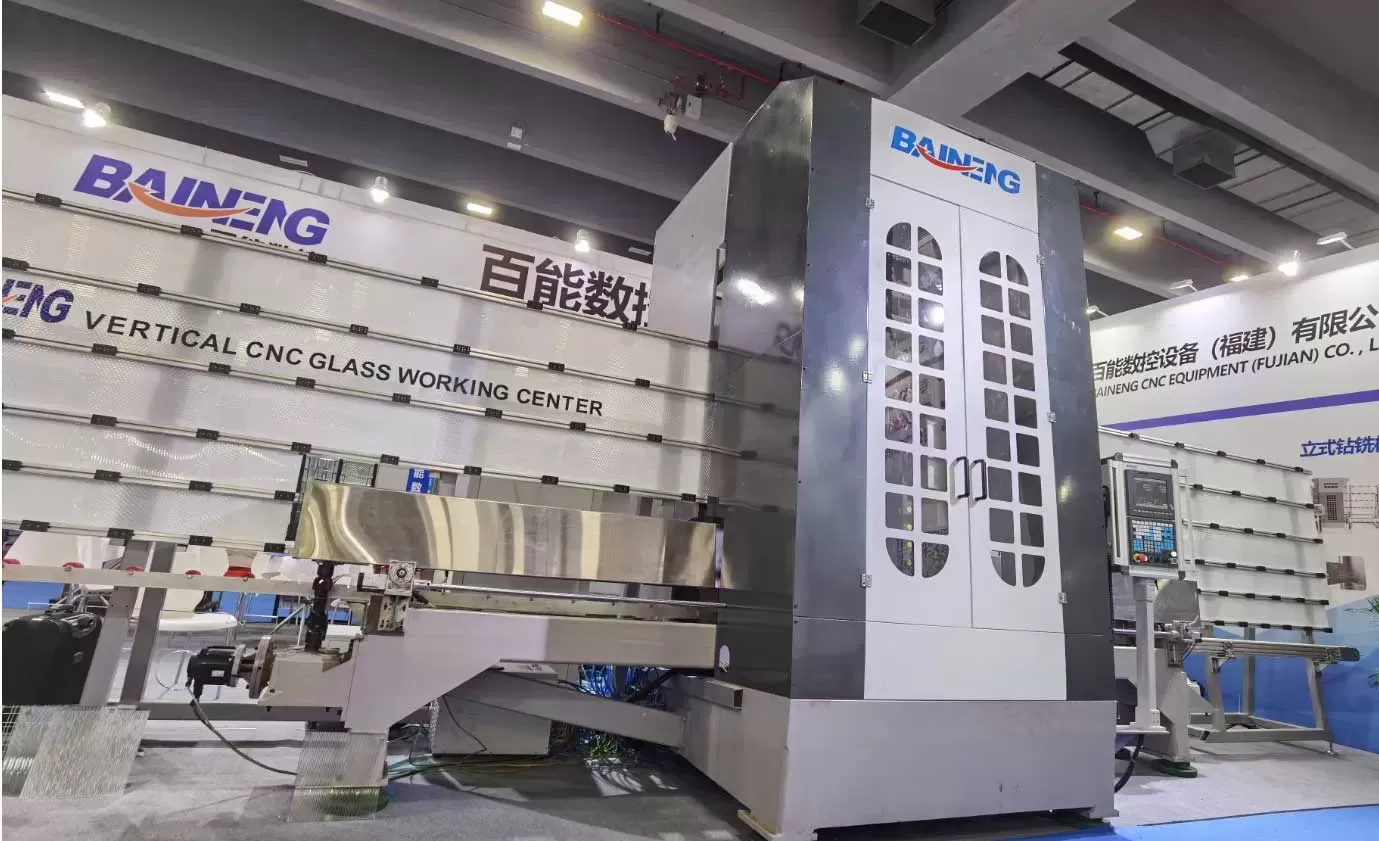
Using a dedicated glass bottle engraving machine allows manufacturers to achieve deep, permanent designs directly on cylindrical, oval, or flat glass surfaces. This guide analyzes the mechanical principles, operational challenges, and system configurations necessary to implement this machinery in industrial packaging lines, drawing on the engineering standards maintained by BAINENG CNC.
Challenges in High-Volume Glass Engraving
Glass is an amorphous material characterized by high hardness and high brittleness. Unlike metals, which undergo plastic deformation during machining, glass fractures microscopically when subjected to cutting forces. Managing these fractures is a primary concern for production managers.
Managing Thermal Stress and Micro-fracturing
During the engraving process, the friction between the diamond tool and the glass surface generates localized heat. If this heat is not dissipated rapidly, it induces thermal stress within the glass. Because glass has low thermal conductivity, the rapid temperature differential between the cutting zone and the surrounding body can lead to macro-cracks, structurally compromising the container.
To mitigate this risk, modern systems employ targeted coolant delivery. Directing a continuous flow of water-based coolant to the contact point reduces the surface temperature, suppressing the propagation of micro-cracks. Additionally, control software must regulate the feed rate and spindle speed to ensure that mechanical stresses remain below the tensile strength limit of the specific glass composition being processed.
Tool Wear and Spindle Speed Consistency
The abrasive nature of glass accelerates tool wear, particularly on the electroplated or sintered diamond burs used in these operations. As a tool dulls, the cutting force increases, which in turn elevates the risk of chipping the engraving edges.
Maintaining a constant spindle speed under varying loads is necessary to keep the chip load per tooth consistent. High-speed, water-cooled spindles with variable frequency drives (VFD) are typically employed. These spindles maintain rotational stability even when encountering inconsistencies in glass thickness, ensuring clean geometries throughout the production run.
Mechanics of a Modern Glass Bottle Engraving Machine
A high-performance glass bottle engraving machine relies on a rigid structural frame and precise multi-axis motion control. Understanding the mechanical subsystems helps in selecting the appropriate equipment configuration for specific production demands.
Rotary Axis Integration for Cylindrical Surfaces
Engraving flat sheets of glass requires standard three-axis (X, Y, Z) motion. However, processing bottles and other hollowware requires a fourth rotary axis (A-axis or indexer). This axis must synchronize with the linear axes to maintain a constant surface feed rate across curved profiles.
Continuous Rotation: Used for wrapping designs, text, or geometric patterns completely around cylindrical bottles.
Indexed Rotation: Allows the machine to engrave specific facets of a polygonal bottle, turning the workpiece to a precise angle before initiating the engraving sequence.
Pneumatic Clamping: Securely holds the bottle from both ends without applying excessive compressive force that could crush the hollow glass structure.
Coolant Systems and Particulate Filtration
Unlike metalworking, where chips are easily separated from the coolant, glass engraving produces a fine, highly abrasive silica slurry. If this slurry recirculates through the coolant pump, it can destroy seals and clog nozzles.
Industrial machines manufactured by BAINENG CNC incorporate multi-stage settling tanks or centrifugal filtration systems. These systems isolate the glass particulates from the water, protecting the internal components of the machinery and ensuring that only clean fluid is directed back to the cutting zone. This design extends both pump and spindle life while maintaining a clean workspace.
Precision Diamond Tooling and Spindle Dynamics
The choice of tooling directly influences the final aesthetic of the engraving. Diamond-impregnated tools are categorized by grit size and profile shape:
Coarse Grit (100–120): Utilized for rapid material removal during deep engraving passes.
Fine Grit (320–400): Selected for intricate detailing, line work, and achieving a satin or frosted finish.
V-Shape Tools: Perfect for sharp, calligraphic text and fine borders.
Ball-Nose Tools: Used for 3D textures, fluting, and rounded depressions.
The spindle must exhibit extremely low runout (typically less than 0.005 mm) to prevent uneven impact forces on the glass, which can lead to premature tool failure and rough engraving edges.
Industrial Applications in the Packaging Sector
The implementation of mechanical engraving machinery spans several key segments of the packaging industry, each with unique quality standards and output requirements.
Spirits and Wine Bottle Customization
In the premium spirits market, brand differentiation is heavily dependent on packaging design. CNC engraving allows for the deep carving of logos, serial numbers, and decorative filigrees directly onto heavy-bottomed liquor bottles. This method creates a premium, tactile feel that cannot be replicated by paper labels or silk screening. Additionally, because the engraving is physically cut into the glass, it serves as an effective anti-counterfeiting measure, as the design cannot be peeled off or chemically dissolved.
High-End Cosmetic and Perfume Container Styling
Cosmetics packaging often utilizes smaller glass containers with complex shapes, including oval, spherical, or asymmetrical geometries. These designs require high-precision machining with fine-grit tooling to avoid structural failures in thin-walled vessels. Multi-axis machinery allows cosmetic manufacturers to apply intricate patterns and branding to these delicate containers, maintaining clean margins and high surface finish quality.
Comparative Analysis: Mechanical CNC Engraving vs. Laser Etching
When selecting a decorative solution, manufacturers often compare mechanical CNC engraving with CO2 or UV laser etching systems. The table below outlines the primary performance and operational differences between these two methodologies.
| Operational Parameter | Mechanical CNC Engraving | CO2 / UV Laser Etching |
|---|---|---|
| Depth of Engraving | Variable (0.1 mm to over 2.0 mm); creates deep, physical relief. | Shallow (typically under 0.1 mm); surface frosted effect only. |
| Edge Quality | Clean, polished edges when processed with correct coolant and fine diamond grit. | Can exhibit micro-fractures and thermal stress lines at the boundaries. |
| Production Throughput | Moderate; dependent on depth of cut and design complexity. | High; rapid beam scanning across flat or simple curved surfaces. |
| Tooling Costs | Regular consumables (diamond burs require replacement based on wear). | Low consumable cost (no physical tool wear, laser source degradation over time). |
| Material Versatility | Highly effective on all silicate glass types, including leaded crystal. | Success varies; certain glass compositions react poorly to laser wavelengths. |
While laser etching offers high speeds for simple surface marks, mechanical engraving remains the standard for designs requiring depth, tactile feedback, and polished grooves.
Improving Operational Efficiency and Tool Lifespan
To maintain profitability in high-volume production, plant managers must balance cycle times with tooling costs. Improving the engraving process involves several key operational parameters:
First, the feed rate must be balanced against the spindle speed. A feed rate that is too high forces the diamond particles to plow through the glass rather than grind it, causing edge chipping. Conversely, a feed rate that is too low can lead to localized heat buildup, even with adequate coolant flow. Utilizing specialized CAM software allows for the generation of optimized toolpaths that maintain constant tool engagement and prevent sudden changes in direction, which are common causes of tool breakage.
Second, regular monitoring of tool wear is necessary. Implementing automated tool length measurement systems within the glass bottle engraving machine allows the controller to compensate for diamond wear over long production runs. Once the tool reaches a predefined wear threshold, the system can automatically flag the operator for a replacement, or select a sister tool from an automatic tool changer (ATC) to continue operation without downtime.
Implementing BAINENG CNC Equipment in Your Production Line
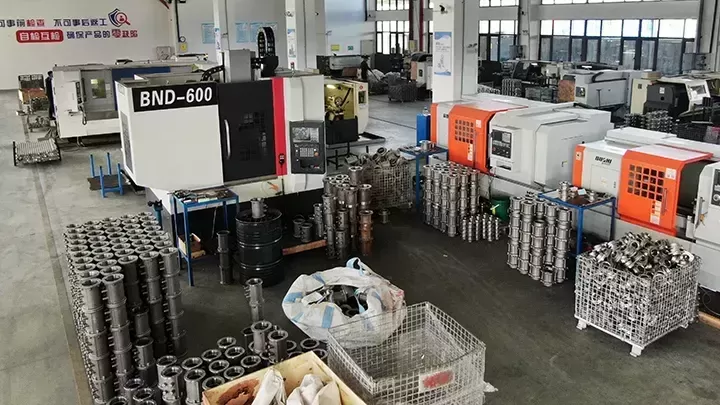
For operations looking to upgrade their glass processing capabilities, BAINENG CNC provides robust, high-precision machinery designed for the rigors of continuous industrial operation. Our machines feature rigid cast-iron bases to absorb vibration, advanced multi-axis CNC controllers, and efficient water filtration systems that keep your production line running cleanly and efficiently.
We work closely with B2B clients to customize machine configurations—including spindle options, rotary axis dimensions, and automation integrations—to match specific production volumes and container designs. Our engineering support ensures smooth integration into your existing packaging or glass manufacturing facility.
To discuss your production requirements, obtain technical specifications, or request a detailed quotation for a customized glass bottle engraving machine, please reach out to our sales engineering department. Our team is ready to analyze your application drawings and recommend the most efficient machinery configuration for your business.
Frequently Asked Questions
Q1: What types of glass can be processed on a glass bottle engraving machine?
A1: Mechanical CNC engraving machines can process a wide variety of silicate glass types, including soda-lime glass (commonly used for commercial bottles), borosilicate glass, and leaded crystal. The processing parameters, such as feed rate and spindle speed, must be adjusted based on the hardness and thermal characteristics of the specific glass composition.
Q2: How long do diamond engraving tools typically last when processing glass?
A2: Tool lifespan depends heavily on the engraving depth, spindle speed, coolant efficiency, and glass type. Under standard operating conditions with continuous water cooling, a high-quality sintered diamond tool can process several hundred to over a thousand bottles before requiring replacement or dressing. Regular maintenance of the coolant filtration system significantly extends tool life.
Q3: Can these machines handle irregularly shaped bottles, such as oval or triangular designs?
A3: Yes. By integrating a multi-axis CNC controller with a specialized rotary indexer or a digitizing surface scanning probe, the machine can track the surface contours of non-cylindrical, oval, or faceted bottles. This ensures that the engraving tool maintains a constant depth and perpendicular orientation relative to the glass surface.
Q4: Is a specialized operator required to run a CNC glass engraving system?
A4: While basic operation (loading and unloading parts, starting programs) can be performed by general production staff, setting up new designs and configuring toolpaths requires basic knowledge of CAD/CAM software and CNC programming. BAINENG CNC provides comprehensive training and technical support to assist your staff during installation and commissioning.
Q5: What are the power and utility requirements for installing an industrial glass engraving machine?
A5: Typically, industrial-grade machines require a three-phase electrical supply (e.g., 380V, 50Hz/60Hz), a clean compressed air supply for pneumatic clamping and spindle purging, and a dedicated water connection for the coolant filtration system. Specific utility requirements are provided in the pre-installation documentation for each machine model.