
 FAQs
FAQs Factory Tour



The global glassware industry continues to shift toward automated decoration processes, with the drinking glass engraving machine emerging as a cornerstone of high-volume production lines. These systems have evolved from simple manual pantographs to computer-controlled multi-axis platforms capable of producing consistent, intricate patterns across thousands of units per shift. For production managers and facility owners, selecting the right engraving infrastructure directly impacts operational throughput, rejection rates, and long-term maintenance costs.
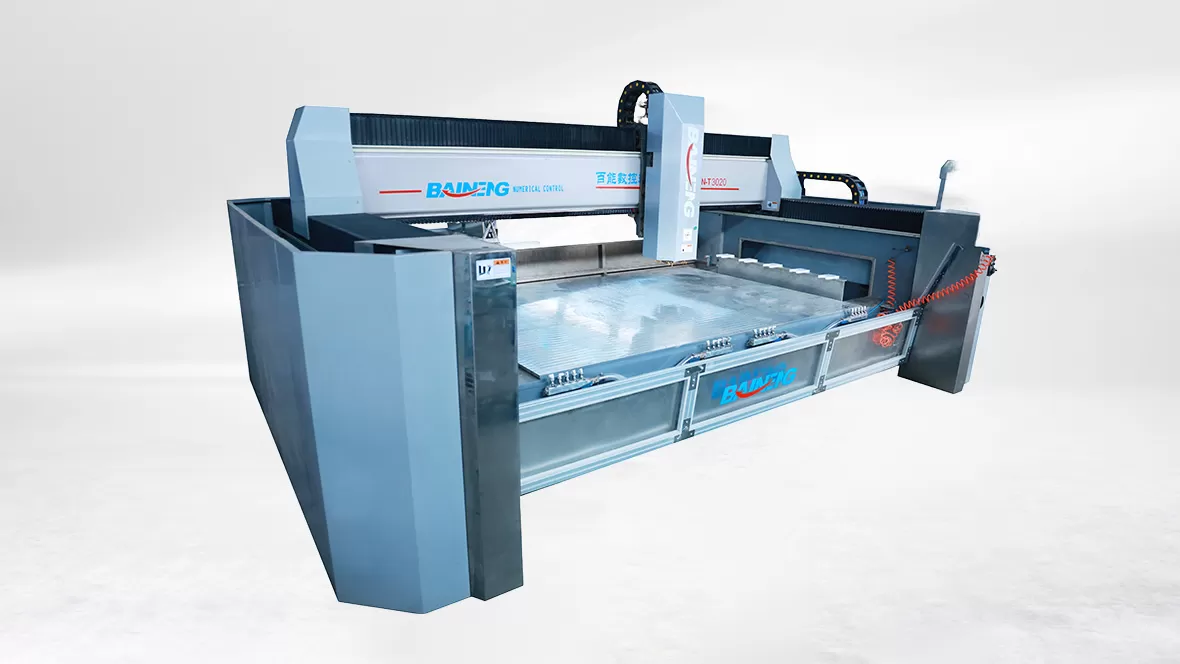
Fundamental Operating Principles of Glass Engraving Equipment
Modern drinking glass engraving systems operate on two primary technological paths: rotary impact carving and laser ablation. Rotary machines use diamond-tipped or tungsten carbide bits that physically remove glass material through high-speed rotational contact. These systems excel at producing deep, tactile grooves that catch light and provide permanent decoration. Laser-based alternatives employ CO₂ or fiber sources to vaporize surface layers, generating fine matte finishes and photographic-quality imagery without mechanical contact.
The choice between these technologies depends on production scale and design complexity. Rotary engraving offers faster material removal rates for deep cuts, while laser systems provide superior detail for photo-realistic patterns. High-end production facilities often deploy both configurations, using laser units for delicate logo work and rotary machines for heavy-duty texturing on thick-walled tumblers and pint glasses.
Production Environments and Application Scenarios
Industrial drinking glass engraving machines find their primary application in four distinct production contexts:
Beverage brand decoration represents the largest market segment. Distilleries, breweries, and soft drink manufacturers require rapid customization of promotional glassware, often running tens of thousands of units per order. Machines in this environment must maintain positional accuracy within 0.02mm across temperature variations typical of factory floors.
Hotel and restaurant supply chains demand engraving systems capable of handling mixed production runs. A single order might include shot glasses, highball tumblers, and stemware with varying diameters and wall thicknesses. Flexible fixturing systems on contemporary engraving platforms allow quick changeovers between geometries without extensive mechanical reconfiguration.
Corporate gift and promotional product manufacturers operate in a high-mix, low-volume environment. Their engraving stations must accommodate rapid design changes while maintaining per-unit cost efficiency. Software-driven parameter adjustments enable these producers to shift from one logo to another in under two minutes, eliminating the setup overhead that plagued older mechanical systems.
Architectural and specialty glass fabricators use large-format engraving equipment for decorative panels and custom barware. These applications often involve non-cylindrical geometries, requiring multi-axis machines with tilt and rotation capabilities beyond standard cylindrical engravers.
Critical Performance Parameters for Production Planning
When evaluating drinking glass engraving machine specifications for a new production line, several quantifiable metrics deserve systematic assessment:
Axial travel and workpiece envelope determine the maximum glass dimensions the machine can process. Standard industrial units offer 300mm to 600mm of Z-axis clearance and rotational diameters up to 150mm. Production planners must verify these ranges against their target product portfolio, considering future expansion into larger formats like pitchers or decanters.
Spindle speed and feed rate interact to define cycle time and surface quality. Contemporary engraving heads deliver 15,000 to 60,000 RPM with precision bearings that maintain concentricity under load. Feed rates between 50 and 200 mm/min provide a balance between throughput and edge definition, with specialized diamond-coated tools enabling higher speeds on soda-lime glass.
Positioning repeatability directly affects multi-pass operations where designs require multiple tool passes. A system with ±0.01mm repeatability ensures that secondary passes register perfectly with the first, preventing visible misalignment in complex patterns. This specification becomes critical for designs incorporating both deep grooves and fine surface detailing.
Dust extraction and coolant integration significantly impact tool life and workplace safety. Effective systems capture glass particulate at the cutting zone, reducing airborne silica concentrations and preventing recutting of abrasive debris that accelerates tool wear.
Tooling and Consumable Selection Strategies
The cost structure of a drinking glass engraving operation extends beyond the machine purchase price to include ongoing consumable expenses. Diamond-impregnated tools represent the most significant recurring cost, with lifespan varying dramatically based on material composition and operating parameters.
Single-point diamond tools excel at fine line work and text engraving, maintaining sharp edges for 10,000 to 15,000 linear meters of cutting on standard glass compositions. PCD (polycrystalline diamond) tools offer extended life for roughing passes, lasting up to 50,000 meters but producing coarser surface finishes that require secondary polishing. Tool geometries must be matched to specific glass types—borosilicate requires different cutting angles than soda-lime due to its higher softening temperature and increased brittleness.
Coolant chemistry affects both tool life and surface quality. Deionized water with corrosion inhibitors provides adequate cooling for most operations, though some high-speed applications benefit from synthetic cutting fluids that reduce friction and improve chip evacuation. Production managers should conduct controlled trials comparing tool life and surface roughness across multiple coolant formulations before committing to a particular solution.
Workflow Integration and Production Optimization
Deploying a drinking glass engraving machine within an existing production environment requires careful consideration of upstream and downstream processes. Raw glassware must be inspected for dimensional consistency and surface defects before engraving—a single poorly annealed piece can damage tooling and disrupt production flow.
Automated loading systems increase overall equipment effectiveness (OEE) by reducing idle time between cycles. Bowl feeders and conveyor-based loading arms position glass blanks within the machine's work envelope, initiating the engraving cycle without operator intervention. These systems achieve cycle times as low as 8 seconds per piece for simple patterns, scaling to 45 seconds for complex multi-layer designs.
Post-engraving treatment often includes washing and drying stations that remove residual glass dust and coolant residues. Many production lines incorporate in-line inspection using machine vision systems that verify pattern completeness and detect edge chipping before packaging. This closed-loop quality control reduces the probability of defective products reaching customers.
BAINENG CNC has developed a modular approach to system integration, offering engraving platforms that interface with existing conveyor systems and quality inspection equipment. Their engineering team works directly with production planners to determine optimal machine placement and material handling configurations.
Maintenance Protocols and Operational Lifespan
Industrial engraving equipment represents a significant capital investment, with proper maintenance directly determining return on investment. Daily preventative measures include cleaning optical encoders and scale read heads that provide positional feedback. Dust accumulation on these components introduces measurement errors that degrade pattern quality and eventually cause unacceptable reject rates.
Spindle bearing condition monitoring provides early warning of impending failures. Vibration analysis, thermography, and acoustic emission sensors detect bearing degradation before it manifests as visible pattern defects. Scheduled bearing replacement at manufacturer-recommended intervals prevents catastrophic failures that could damage the workpiece fixture and require extensive realignment.
Linear guide and ball screw assemblies require periodic lubrication using specified greases that maintain film strength under varying thermal conditions. Inadequate lubrication accelerates wear of rolling elements, reducing positional accuracy and introducing backlash that compromises multi-pass registration.
Control system software updates improve processing efficiency and introduce new pattern generation algorithms. Manufacturers like BAINENG CNC provide regular firmware enhancements that optimize tool path generation and reduce cycle times through improved acceleration-deceleration profiles.
Quality Assurance and Defect Prevention
Glass engraving presents unique quality challenges due to the material's brittle nature and optical transparency. Common defects include edge chipping, subsurface fracturing, pattern discontinuity, and surface haze—each requiring distinct root-cause analysis and corrective actions.
Edge chipping typically results from excessive feed rates or inappropriate tool geometries. Reducing feed rate by 15-20% or transitioning to tools with negative rake angles generally eliminates this defect pattern. Production records should track chip incidence against feed parameters to establish safe operating windows for each product type.
Subsurface fractures appear as white lines or patches beneath the engraved surface, indicating improper cutting depth or excessive tool pressure. These defects often become apparent only after the glass undergoes thermal cycling—a situation that leads to catastrophic failure in service. Using controlled depth cuts and verifying tool condition through sample inspection prevents this quality issue.
Pattern discontinuity arises from positional errors during multi-pass operations. This defect traces to backlash in motion systems, inadequate encoder resolution, or thermal expansion of machine components. Regular calibration using laser interferometers verifies that the machine maintains specified positioning accuracy across its full travel range.
Economic Considerations for Equipment Acquisition
The purchase decision for a drinking glass engraving machine involves evaluating total cost of ownership (TCO) rather than initial capital expenditure alone. Production capacity, consumable costs, maintenance intervals, and downtime frequency all contribute to the per-unit cost calculation that determines project viability.
Entry-level machines with lower purchase prices often compensate through higher consumable consumption and reduced operational lifespan. A machine costing 30% less may consume twice the tooling budget over a five-year period, making the lower-priced option substantially more expensive in real terms. Production planners should request detailed consumable estimates from multiple vendors before committing to a procurement pathway.
Financing options and warranty provisions also influence the acquisition decision. Comprehensive warranties covering mechanical components and control systems for three to five years provide predictable maintenance budgets and reduce operational risk. Suppliers offering extended warranty periods typically demonstrate confidence in their product durability, providing a valuable quality signal to prospective buyers.
BAINENG CNC offers flexible procurement arrangements including lease-to-own options and performance-based maintenance contracts. Their support structure includes remote diagnostics capabilities that minimize downtime through rapid troubleshooting and parts replacement.
Material Science Considerations for Engraved Glassware
The chemical composition and thermal history of glass blanks significantly influence engraving results. Soda-lime glass, the most common material for beverage containers, contains approximately 70% silica with sodium and calcium modifiers that lower melting temperature. This composition machines predictably with diamond tools, producing consistent groove geometry across production runs.
Borosilicate glass, valued for thermal shock resistance in laboratory and premium beverage applications, presents greater machining challenges. Its higher silica content increases hardness and reduces fracture toughness, requiring lower feed rates and specialized tool coatings to prevent edge chipping. Engraving borosilicate demands tighter process control and more frequent tool condition monitoring than soda-lime glass.
Annealing quality directly affects engraving outcomes. Poorly annealed glass contains internal stresses that release during cutting, causing localized fracture patterns that cannot be predicted by surface inspection alone. Verifying annealing quality through polarized light examination before engraving prevents downstream quality issues and reduces rejection rates.
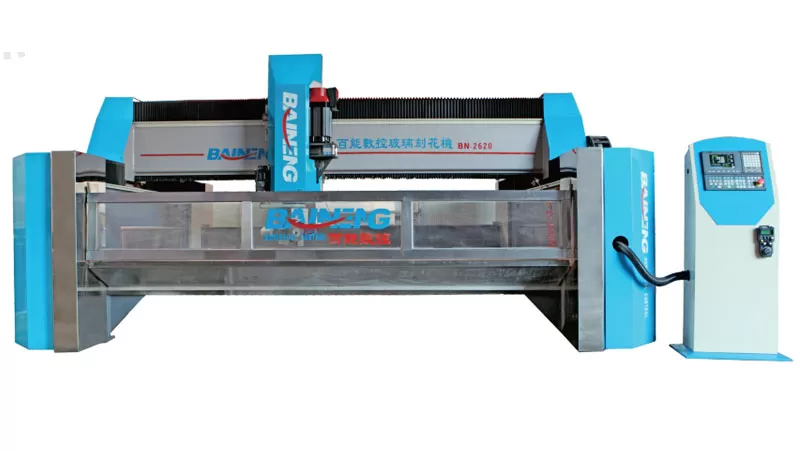
Future-Ready Production Systems
The trajectory of glass engraving technology points toward greater integration with digital workflow systems. Modern control platforms accept direct input from CAD systems, eliminating the intermediate programming steps that introduced errors and lengthened setup times. This direct digital pathway enables rapid design iteration and customization without sacrificing production efficiency.
Artificial intelligence applications are emerging in quality inspection and process optimization. Machine vision systems trained on defect libraries identify quality issues in real-time, adjusting feed parameters or alerting operators to tool wear before defects propagate. Predictive maintenance algorithms analyze vibration and temperature data to schedule interventions at optimal intervals, reducing unplanned downtime.
Production facilities planning equipment investments should prioritize systems with open architecture control platforms that accommodate future software upgrades and sensor integrations. Proprietary control systems that lock users into specific software versions limit flexibility and increase long-term operating costs.
Frequently Asked Questions
Q1: What production volume justifies investment in an automated drinking glass engraving machine?
An automated engraving system typically becomes economically viable when annual production exceeds 50,000 units. Below this threshold, manual or semi-automated approaches may offer lower capital commitment. The break-even point varies with labor costs, target defect rates, and product margins—facilities with high-quality requirements often justify automation at lower volumes due to improved consistency and reduced rework.
Q2: How does glass thickness affect engraving parameters and quality?
Wall thickness influences both tool selection and cutting parameters. Thin-walled glass (1.5-2.5mm) requires reduced feed rates and shallower cuts to prevent through-wall penetration and stress fracturing. Thicker walls (3-5mm) accommodate deeper engraving and higher cutting forces but require extended cooling cycles to prevent thermal shock. Production planners should establish separate parameter profiles for each wall thickness within their product range.
Q3: What is the typical tool life expectancy for commercial glass engraving operations?
Tool life varies significantly with glass composition and operating parameters. On soda-lime glass with optimized cutting conditions, diamond tools typically achieve 10,000 to 20,000 linear meters of cutting before replacement. Borosilicate reduces this figure by 40-60% due to increased abrasiveness. Regular inspection and geometric measurement of tool wear prevent sudden failures that could damage workpieces.
Q4: Can engraving machines handle multiple glass shapes without extensive changeover?
Modern engraving platforms incorporate tool-less fixturing and programmable position adjustments that enable rapid shape transitions. Cylindrical to conical conversions typically require under five minutes using quick-release clamping systems. More complex changes involving stemware or non-circular bases may require fixture replacement, extending changeover time to 15-20 minutes. Production scheduling should group similar geometries to minimize changeover frequency.
Q5: What safety considerations apply to industrial glass engraving operations?
Respiratory protection against crystalline silica dust represents the primary safety concern. Local exhaust ventilation capturing particulate at the cutting zone maintains airborne concentrations below occupational exposure limits. Additional safety measures include impact-resistant shields preventing fragmented debris ejection, automated emergency stop systems, and regular inspections of workholding integrity to prevent workpiece displacement during cutting.
Q6: How does engraving affect the structural integrity of drinking glasses?
Properly executed engraving reduces glass strength by 15-25% depending on cut depth and pattern density. This reduction rarely affects service life under normal handling conditions but may impact dishwasher durability and thermal shock resistance. Testing protocols should evaluate engraved samples under simulated service conditions to verify that residual strength meets product requirements.
Q7: What software compatibility requirements should be considered when selecting equipment?
Industry-standard CAD formats (DXF, DWG, STEP) and image file types (BMP, PNG, JPEG) should be natively supported for seamless design transfer. Machines with open-architecture software platforms accommodate third-party nesting and optimization applications, enabling advanced tool path generation and material utilization strategies. Proprietary formats should be avoided to prevent vendor lock-in and ensure long-term workflow flexibility.
For detailed specifications, production capacity analysis, and customized configuration proposals for your glass engraving production line, contact the engineering team with your target production parameters and product portfolio requirements.
BAINENG CNC provides comprehensive support for facility planning, equipment selection, and operational optimization in glass decoration applications.