



Glass Engraving for Décor and Branding Power
The strategic use of glass engraving for décor and branding is a powerful tool that transforms a simple material into a medium for sophisticated expression. This technology creates permanent, high-value impressions that elevate both interior spaces and corporate identities. For interior décor, it manipulates light and adds a layer of custom artistry. For branding, it conveys a message of quality, permanence, and meticulous attention to detail. This definitive guide provides a professional exploration of this versatile process. It covers the core technologies, the diverse applications, and the strategic thinking behind using engraved glass to create a lasting and powerful impact.
What is the Power of Glass Engraving for Décor and Branding?
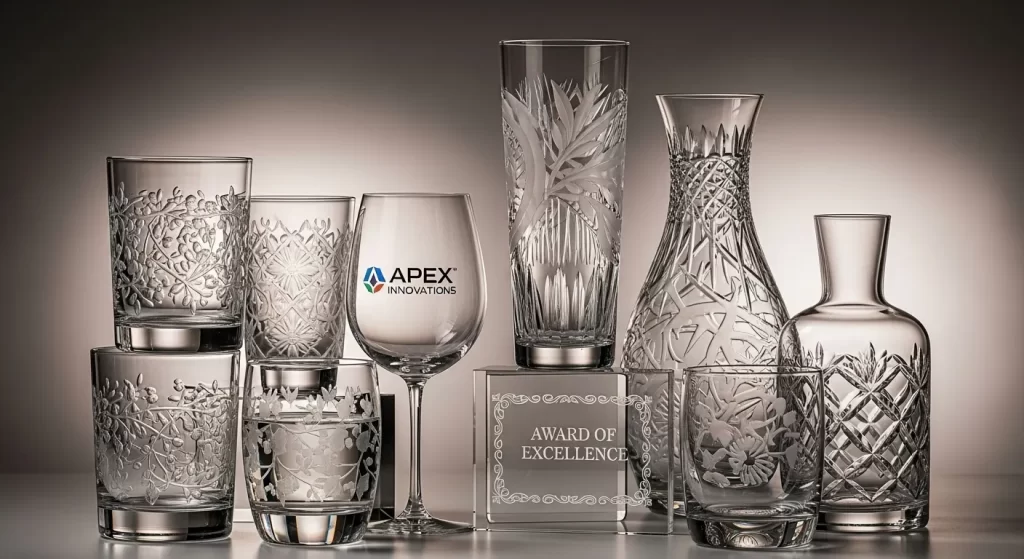
The power of glass engraving lies in its ability to create a permanent and tangible mark of quality. For interior décor, it turns functional glass into a decorative focal point that interacts with light to enhance a room's ambiance. For branding, it physically embeds a company's identity into a high-end material, creating a statement of stability and prestige that printed logos cannot match.
How Does it Elevate Interior Décor?
Glass engraving elevates interior décor by introducing texture, detail, and a dynamic play of light. A plain sheet of glass is a passive element. An engraved sheet of glass becomes an active design feature. The carved or frosted lines catch the light, creating sparkle and shadow. This adds visual interest and a sense of custom craftsmanship. It allows designers to create unique patterns, artistic motifs, and personalized elements that are literally etched into the fabric of the space. The creative possibilities are vast, as explored in our guide to glass engraving ideas for architecture.
How Does it Strengthen a Brand's Identity?
Glass engraving strengthens a brand's identity by conveying permanence and quality. A vinyl logo on a glass door can peel. A printed logo can fade. An engraved logo is part of the glass itself; it is as permanent as the building. This sends a powerful subconscious message to clients and partners. It suggests that the brand is stable, established, and committed to quality in every detail. In a competitive marketplace, these tangible signals of quality can be a significant differentiator.
What Are the Key Engraving Technologies Used?
The field of glass engraving for décor and branding primarily relies on two advanced technologies: CNC rotary engraving and laser engraving. Each method creates a distinct look and is suited for different applications. A third, more specialized technology, 3D sub-surface engraving, offers unique possibilities for high-end awards and art. The choice of technology is a critical decision that defines the final aesthetic.
What Defines CNC Rotary Engraving?
CNC rotary engraving is a physical, contact-based process. It uses a computer-controlled machine to guide a high-speed rotating tool, tipped with industrial diamonds, across the glass surface. This tool, or burr, physically carves a groove into the glass. The result is a deep, brilliant, V-shaped cut that sparkles as it refracts light. This method is valued for its depth, clarity, and the substantial, high-quality feel of the finished product. This is the classic look of traditional Engraved glass, perfected with modern precision.
What Defines Laser Engraving and Etching?
Laser engraving is a thermal, non-contact process. It uses a highly focused beam of light to create a mark on the glass. The intense heat from the laser causes microscopic fractures on the surface. This creates a frosted, matte white appearance with very little depth. The process is incredibly precise and is ideal for reproducing fine details and complex graphics. The glass laser etching technology explained in detail is a story of controlled thermal energy. It is important to understand the difference between glass engraving and etching to specify the correct finish.
What About 3D Sub-Surface Engraving?
3D sub-surface engraving is a specialized laser technique. It focuses the laser beam not on the surface, but at precise points inside a solid block of optical crystal. The laser creates a tiny, fractured dot at each point. By plotting millions of these dots, the machine can build a complete 3D image that appears to float inside the glass. This method is used for high-end corporate awards, scientific models, and personalized photo crystals. The mechanics are detailed in our guide on how 3D glass engraving machines work. The market for this technology has seen significant growth.
What are the Top Applications in Interior Décor?
In interior décor, glass engraving is used to transform standard architectural elements into custom works of art. It is a tool for adding personality, pattern, and a sense of bespoke luxury to a space. The applications range from large architectural features to small, detailed decorative objects. Each application uses engraving to create a unique and lasting design statement.
How is Engraving Used on Custom Mirrors?
Engraving on custom mirrors is a classic application. It can be used to create an elegant border, a family crest or monogram, or an intricate artistic pattern. Unlike a beveled edge, which is a uniform angled cut, an engraved design can be anything from a delicate floral vine to a bold geometric pattern. The engraved portions of the mirror will have a frosted appearance. This creates a beautiful contrast with the reflective surface. It adds a layer of texture and detail that elevates the mirror from a simple object to a piece of art.
What is the Role in Glass Doors and Partitions?
In both residential and commercial interiors, engraved glass doors and partitions are used to add privacy and style. A laser can be used to etch a fine, frosted pattern onto a glass office wall. This can provide visual privacy without blocking the flow of light. A company's logo can be deeply engraved into the glass doors of its main entrance. This creates a powerful and permanent branding statement. The possibilities for custom patterns are endless. They allow designers to create unique architectural features. The use of decorative glass in commercial design is a growing trend.
How Can it Enhance Glass Furniture?
Engraving can dramatically enhance glass furniture. A large glass tabletop for a dining or conference table can be engraved with a subtle border or a central logo. The glass shelves in a display cabinet can be engraved with a delicate pattern that complements the items on display. Even the glass doors on a media console or a credenza can be engraved. This adds a custom, high-end touch that distinguishes the piece from mass-produced furniture.
What Are Some Ideas for Custom Glassware?
Engraving is the premier method for personalizing high-quality glassware. It creates a permanent, dishwasher-safe mark that will never fade or wear off. This makes it ideal for:
- Monogrammed Wine Glasses: A classic and elegant gift.
- Custom Beer Mugs: With logos for a home bar or a brewery.
- Personalized Spirit Decanters: A sophisticated addition to any bar cart.
- Commemorative Champagne Flutes: For weddings, anniversaries, and special events. This level of personalization turns everyday objects into cherished keepsakes. For those starting out, a look at the best glass etching machines for beginners is a good first step.
How is Glass Engraving a Powerful Branding Tool?
The use of glass engraving for décor and branding finds its most powerful commercial expression in creating tangible, high-quality representations of a company's identity. It is a powerful tool because it aligns a brand with the enduring qualities of the material itself: clarity, quality, and permanence. It is a statement of confidence and a commitment to excellence.
Why Are Engraved Corporate Awards So Effective?
Engraved corporate awards are highly effective because they have a high perceived value. A heavy, brilliantly clear glass or crystal award with a deep-engraved logo feels substantial and important. It is a physical embodiment of achievement. The permanence of the engraving signifies the lasting importance of the recipient's contribution. Advanced techniques, like the 3D sub-surface engraving detailed in our guide on 3d glass art machine applications, can create truly stunning awards that are treasured for a lifetime. The impact of high-quality employee recognition on morale and retention is well-documented.
How is it Used for Architectural and Retail Branding?
Architectural branding uses the physical space of a company to reinforce its identity. Engraving is a key tool in this strategy. A large, deep-engraved logo on the glass entrance of a corporate headquarters is a powerful statement. In a high-end retail environment, the brand name can be elegantly engraved on display cases and mirrors. This creates a cohesive and luxurious brand experience. This use of physical branding has a significant impact on how a brand is perceived by its customers.
What is its Role in High-End Product Branding?
For luxury products, the packaging is an integral part of the brand experience. Engraving is used to add a premium touch to the products themselves. The name of a luxury perfume can be engraved directly onto the bottle. The logo of a high-end spirit brand can be carved into a heavy glass decanter. This permanent marking not only adds a touch of class but also serves as an anti-counterfeiting measure. It is a mark of authenticity that a printed label cannot replicate. Mastering this level of quality requires a commitment to the ideas in our guide of professional glass engraving tips.
How is it Used for Promotional Items and Corporate Gifts?
Engraving is used to create high-end promotional items that leave a lasting impression. While a company can give away a thousand plastic pens, a single, beautifully engraved glass paperweight given to a key client will be far more memorable. Engraved wine glasses, decanters, or crystal desk clocks are all popular choices for corporate gifts. Unlike disposable promotional items, these are gifts of quality and substance. They are likely to be kept and used for years, serving as a constant and positive reminder of the brand.
What is the Design and Production Process?
The design and production process for glass engraving is a digital workflow. It requires precision at every stage, from the initial artwork to the final machine operation. This process is what translates a creative or branding idea into a flawless, physical object. A professional approach to this process is essential for achieving high-quality results consistently.
How is Artwork Prepared for Engraving?
The preparation of the digital artwork is a critical first step. The quality of the final engraving is directly dependent on the quality of the input file.
- Vector Files: For CNC engraving and for laser engraving of line art, a "clean" vector file (like an AI or SVG) is required. This means all paths must be closed, and there should be no overlapping or duplicate lines.
- Raster Files: For laser engraving of photographs, a high-resolution bitmap image (like a JPG or PNG) is needed. This image will be converted into a dot pattern by the laser's software. The choice of the right design software is key. The top glass engraving software tools are designed to streamline this preparation phase. The reduction of errors through proper file preparation is a major factor in workshop efficiency.
How to Choose Between Laser and CNC for a Project?
The choice between laser and CNC engraving for a specific project depends on the desired aesthetic. This is a crucial decision in the laser engraving vs CNC engraving for glass debate.
- Choose Laser for: Fine details, complex patterns, photorealistic images, and a soft, frosted finish.
- Choose CNC for: Deep, brilliant grooves, a sparkling V-carved look, and a bold, tactile presence. A brand that wants a subtle, modern logo on its office partitions would choose laser. A company that wants a prestigious, deep-carved award would choose CNC.
What Are the Key Production Considerations?
Several key considerations are vital during the production phase. The right type of glass must be selected. For 3D sub-surface engraving, only high-quality optical crystal can be used. The machine setup must be precise. This includes securing the workpiece and calibrating the tool or laser focus. Finally, a test run on a scrap piece of the same material is always recommended. This allows the operator to verify the settings before committing to the final, expensive piece of glass. The time spent on testing is a sound investment against the high cost of material waste.
What Are the Future Trends in Glass Engraving for Décor and Branding?
The future of glass engraving for décor and branding points towards greater integration, complexity, and accessibility. The technology is constantly evolving. This is creating new opportunities for designers and brands to use glass in even more innovative ways. These trends are shaping the next generation of decorative and branded glass.
How is Multi-Layered Engraving and Etching Used?
An emerging trend is the use of multi-layered designs. This technique involves engraving or etching on both the front and back surfaces of a single sheet of glass. This creates a true sense of depth and parallax. A background pattern can be etched on the back surface, while foreground elements are engraved on the front. This creates a rich, three-dimensional effect. This is one of the engraving-etching-innovations that is pushing the creative boundaries of the medium.
What is the Role of Integrated Lighting?
The integration of lighting is a major trend. Edge-lit LED technology can be used to illuminate an engraved design. The light is piped through the glass. It is then caught and refracted by the engraved lines, causing the design to glow brightly. This is extremely effective for signage, architectural panels, and awards. LED bases for 3D crystal engravings are also standard. They light up the internal sculpture and make it the focal point of a room.
How is Technology Making Customization More Accessible?
Technology is making custom glass engraving more accessible than ever before. The cost of entry-level machines, as seen in our guide to the best glass etching machines for beginners, has come down significantly. At the same time, the rise of online design platforms and e-commerce has made it easier for consumers and businesses to order custom engraved products. This trend of mass customization is a major driver of growth in the decorative glass market.
Conclusion
The power of glass engraving for décor and branding lies in its unique ability to create a permanent, tangible mark of quality. Whether it is a deep, sparkling groove carved by a diamond or a fine, frosted image drawn by light, an engraved design is a statement of intent. In décor, it is a statement of artistic vision and a commitment to detail. In branding, it is a statement of permanence, quality, and prestige. As the technology continues to evolve, the opportunities for designers and brands to harness this power will only expand. It is a timeless technique, perfected by modern innovation, for making a truly lasting impression.