
 FAQs
FAQs Factory Tour



In industrial glass processing, achieving uniform abrasion, deep carving consistency, and dust-free operation demands more than a standard cabinet blaster. Vertical glass sandblasting machines have become the benchmark for handling large-format panels, architectural glass, automotive glazing, and decorative mirrors. Their configuration eliminates the material handling constraints of horizontal systems while providing superior abrasive coverage. This technical analysis covers the engineering principles, performance parameters, and application-specific adaptations that define today's leading vertical sandblasting equipment.
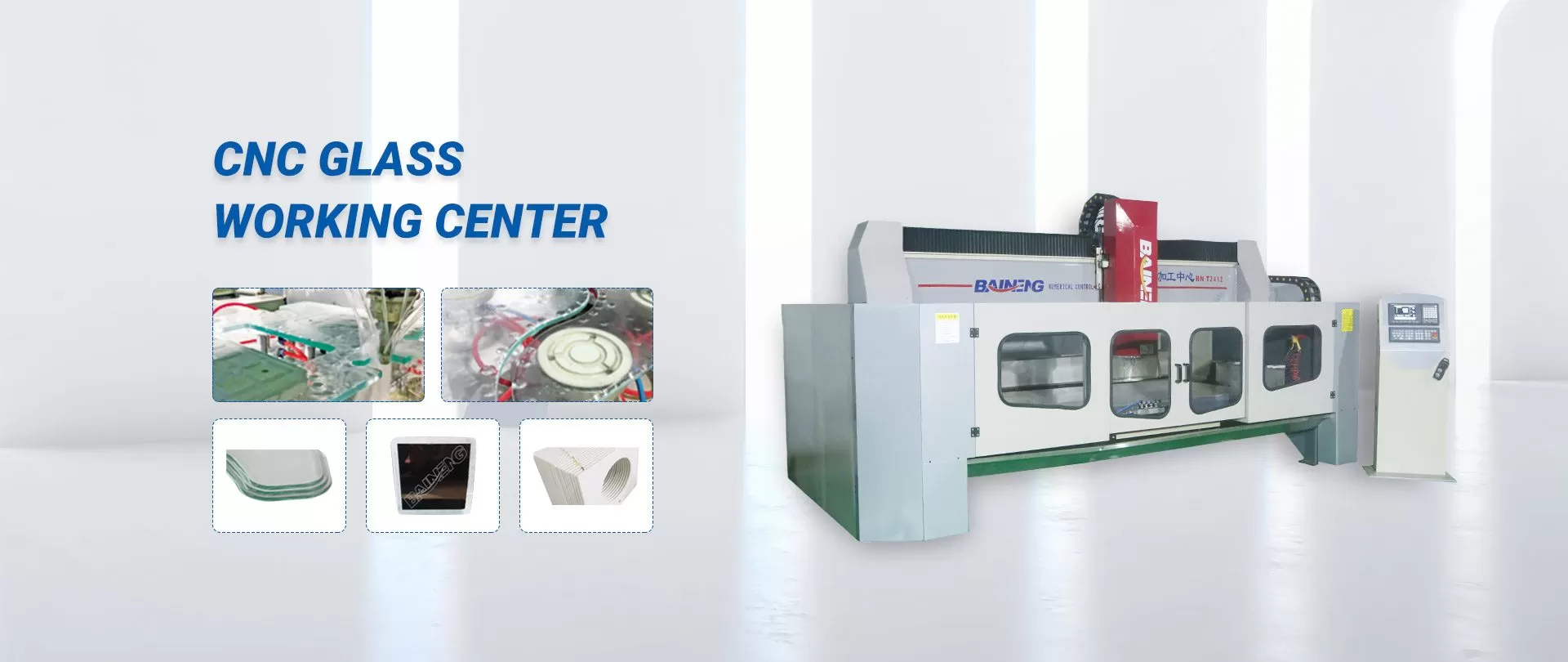
Fundamentals of Vertical Glass Sandblasting Technology
Unlike horizontal sandblasters where glass rests on a mesh or rollers, vertical machines secure the workpiece on an inclined or perpendicular carriage. This orientation uses gravity to assist media flow while preventing abrasive accumulation on the glass surface. A typical industrial vertical sandblaster integrates a sealed blast chamber, reciprocating gun carriage, abrasive recovery screw, and a multi-stage dust collection system. The glass sheet moves vertically or the blast nozzle array traverses horizontally, depending on the machine architecture. High-end systems offer synchronized motion control for patterns, logos, and variable-depth etching.
Key Mechanical Distinctions
Inverted media flow – Abrasive hits the vertical surface and falls into a floor hopper, avoiding localized over-blasting.
Variable tilt angle (0-15 degrees) – Some hybrid designs allow slight tilt for thick glass plates to reduce static friction.
Automatic nozzle oscillation – Pneumatic or servo-driven oscillation ensures even exposure across the entire glass width.
Belt-driven vertical carriage – Supports glass up to 3000×2000 mm or custom sizes, with adjustable travel speed (0.5–5 m/min).
Critical Technical Parameters That Define Performance
Selecting a vertical glass sandblasting machine requires evaluating several engineering metrics. Below are the specifications that directly impact production throughput, finish uniformity, and operational safety.
Abrasive Flow Control and Nozzle Configuration
Mass flow density determines how fast the abrasive etches the glass surface. Industrial vertical machines use venturi-effect nozzles made of boron carbide or tungsten carbide, with orifice diameters from 6 mm to 12 mm. The air-abrasive mixture is regulated by a pressure tank with a pinch valve, delivering 15–50 kg/min of media (aluminum oxide, silicon carbide, or glass beads). For deep carving (1–3 mm removal), larger nozzles and higher pressure (6–8 bar) are applied, while fine frosting (surface roughness Ra 0.8–1.5 µm) requires lower pressure and smaller media grits (150–220 mesh). Top-tier systems incorporate an automatic abrasive sieve and humidity sensor to prevent clogging.
Dust Extraction and Worker Safety Compliance
A closed-loop dust collector with cartridge filters (MERV 15 or HEPA H13) is mandatory for any professional vertical sandblaster. The exhaust airflow should maintain a negative pressure inside the chamber, typically 2500–5000 m³/h depending on chamber volume. Pulse-jet cleaning of filters reduces downtime. BAINENG CNC vertical glass sandblasting machines integrate a dual-stage cyclone pre-separator that captures 92–95% of coarse particles before they reach the main filter, extending cartridge life and keeping workplace silica exposure below OSHA PEL limits. Additionally, the blast cabinet features interlocked doors that cut off media flow if opened during operation.
Vertical Conveyor System and Glass Edge Protection
Handling oversized glass panels (e.g., 2440×3660 mm) requires robust grippers or vacuum cups. The vertical carriage must maintain a constant distance (standoff) between the nozzle tip and glass surface, typically 100–250 mm. Any deviation above ±5 mm produces uneven etching depth. Modern linear guideways with servo drive ensure repeatable positioning within 0.2 mm. For edge sealing, replaceable urethane or silicone strips prevent abrasive from leaking into the glass edges – a common defect that causes chipping. Some advanced machines from BAINENG CNC include an automatic edge-masking system that applies protective film before blasting, eliminating manual taping for batch production.
Overcoming Common Industry Challenges
Glass fabricators often struggle with three persistent problems when implementing sandblasting operations. Below is how vertical machine design addresses each.
Problem 1: Inconsistent Frosting / Streaking Patterns
Horizontal blasters allow abrasive to settle on the glass surface, creating shadow zones. Vertical systems eliminate this because falling media cannot accumulate. However, nozzle oscillation speed mismatched with glass feed rate still produces horizontal streaks. The solution is a closed-loop controller that synchronizes oscillation frequency (20–60 cycles/min) with carriage velocity. For example, etching a 2×3 m glass door with 50% opacity requires 5–7 passes at 1.2 m/min, with the nozzle oscillating at 45 cycles/min. Operators can store recipes for different glass thicknesses and desired finishes.
Problem 2: High Abrasive Consumption and Disposal Costs
Many shops discard abrasive after a single cycle because contaminants (glass dust, broken particles) degrade performance. A high-efficiency vertical machine includes a pneumatic classifier that separates reusable media from crushed fines. The classifier’s air wash column lifts particles >200 µm back to the pressure pot while dumping <100 µm debris. This reclaim system reduces fresh abrasive usage by 60–70% and maintains consistent cutting power. For aluminum oxide (Al₂O₃), media can be reused 12–15 times before replenishment.
Problem 3: Silica Dust Migration to Surrounding Equipment
Even small leaks at door seals or conveyor slots allow fine dust to escape, damaging nearby motors and linear bearings. Professional vertical sandblasters employ labyrinth seals with positive air purge on all moving joints. The purge air (0.2–0.5 bar) creates an outward flow that repels dust. Additionally, the exhaust fan must maintain 0.5–1.0 mbar negative pressure inside the chamber. Real-time pressure differential sensors trigger an alarm if door gaskets wear, preventing contamination of the production floor.
Why Choose BAINENG CNC Vertical Glass Sandblasting Machines
For industrial operations requiring consistent quality across thousands of square meters per week, BAINENG CNC offers modular vertical sandblasting systems that integrate with automatic washing and drying lines. Their machines feature a rigid steel frame with vibration-damping mounts, reducing noise below 82 dB(A) during full-load operation. The blast gun array can be configured from 2 to 8 nozzles, each with independent pressure regulation – critical for patterns that mix deep carving (coarse grit, high pressure) with light frosting (fine grit, low pressure) on the same glass sheet. A proprietary anti-static belt system prevents glass surface charging, which normally attracts dust. Furthermore, BAINENG CNC vertical machines support remote diagnostics and production data logging, enabling predictive maintenance scheduling. These design choices translate to lower reject rates and higher first-pass yields for architectural glass suppliers and automotive glazing manufacturers.
Applications Across Different Glass Processing Sectors
Vertical sandblasting machines are not limited to one industry. Their ability to handle large, heavy, or thin glass makes them versatile for the following segments.
Architectural and Decorative Glass
Frosted glass partitions, back-painted glass with etched logos, and stair balustrades often require full-surface or zoned sandblasting. Vertical machines can process panels up to 5000×3000 mm with edge-to-edge uniformity. For linear patterns (stripes, waves), the oscillation mechanism can be locked to create precise horizontal or vertical bands without masking.
Automotive Glazing (Side and Rear Windows)
Privacy glass with gradual opacity gradients is produced by varying nozzle pressure or traversing speed across the glass. Vertical orientation prevents media from settling in complex curvature edges. The process also applies to defogger grid etching before silver paste printing.
Furniture and Appliance Glass
Tabletops, shelf glass, oven doors, and refrigerator trays are often partially sandblasted for branding or decorative texture. A vertical machine with a rotating fixture can handle small batches without re-tooling. For tempered glass, the sandblasting depth must stay below 20% of total thickness to avoid strength reduction – precise depth control is achievable with closed-loop pressure monitoring.
Solar Glass Texturing
Some photovoltaic panel manufacturers use vertical sandblasting to create anti-reflective surfaces on cover glass. The process requires extremely consistent particle impact angle (85–90 degrees) and low pressure (2 bar) to avoid micro-cracks. Vertical systems with angular-adjustable nozzles meet these tolerances more reliably than horizontal conveyors.
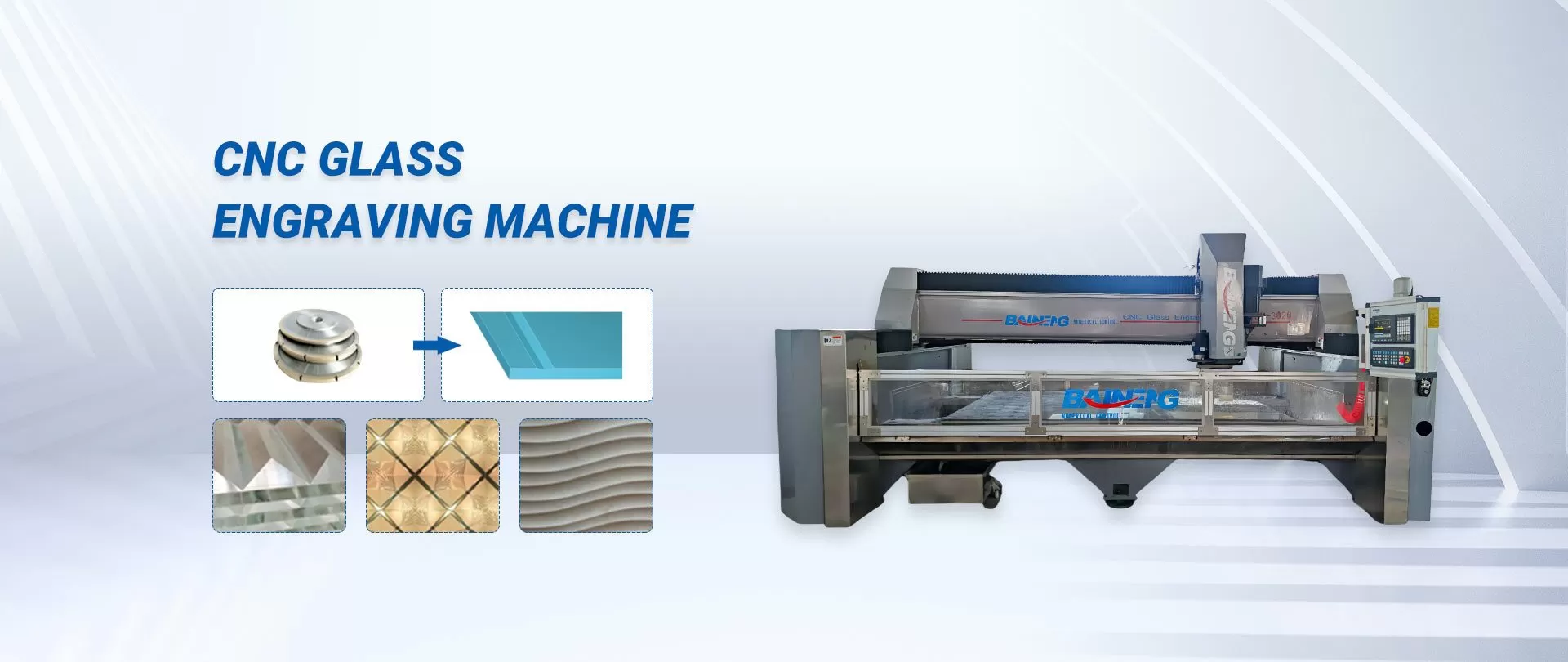
Maintenance and Operational Best Practices
To preserve the accuracy of a vertical glass sandblasting machine over a 10-year service life, follow these procedures.
Daily nozzle inspection – Check orifice wear. A worn nozzle (10% larger diameter) increases air consumption by 25% and reduces impact velocity, resulting in weaker etching. Replace when diameter exceeds original by 15%.
Weekly dust collector cleaning – Even with pulse cleaning, fine dust builds up on filter pleats. Remove cartridges every 200 operating hours and blow compressed air from inside out.
Monthly carriage calibration – Use a laser distance sensor to verify that nozzle standoff matches the programmed value across the entire glass height. Adjust servo offsets if deviation exceeds ±0.5 mm.
Abrasive moisture check – Silica-based abrasives absorb humidity, causing bridging in the pressure tank. Install a desiccant air dryer on the compressed air line (dew point ≤ -20°C). Test media flow daily by blasting a test coupon.
Seal replacement schedule – Door gaskets, shaft seals, and belt wipers degrade after 1,500–2,000 hours. Replace proactively to maintain negative pressure and prevent dust leakage.
Frequently Asked Questions (FAQ)
Q1: What is the maximum glass size a vertical sandblasting machine
can handle?
A1: Standard industrial models accept glass up to 3000
mm (height) × 2400 mm (width). Custom BAINENG CNC vertical machines can be
engineered for panels up to 6000×3300 mm for architectural curtain wall
projects. The limiting factors are chamber dimensions, carriage lifting
capacity, and abrasive recovery screw length.
Q2: Can a vertical sandblaster produce etched logos or complex
patterns without using photo-resist film?
A2: Yes, if the machine is
equipped with CNC-controlled gun positioning (X-Y axes) and servo-driven
rotation. The software converts vector graphics into nozzle movement commands.
However, for high-volume batch production of the same pattern, photoresist or
rubber masks are still faster. For short runs or prototypes, direct CNC
sandblasting eliminates masking material waste.
Q3: How do I select the right abrasive grit for frosted glass versus
deep carving?
A3: For a smooth, satin frost (surface etch depth ~0.1
mm), use aluminum oxide 150–180 grit at 3–4 bar pressure. For deep carving
(lettering with 1–2 mm depth), switch to silicon carbide 60–80 grit at 6–7 bar
and reduce traverse speed to 0.6 m/min. Always run test samples because glass
hardness varies – soda-lime glass etches faster than borosilicate.
Q4: Does vertical sandblasting pose a risk of glass breakage due to
mechanical stress?
A4: Properly designed vertical machines apply
minimal lateral force because the nozzle’s impact force is perpendicular to the
glass surface. Breakage risk is lower than horizontal systems since the glass is
not resting on sharp rollers. To further reduce stress, pre-tempered glass
should be blasted at lower pressure (max 4 bar) and with gradual nozzle
approach. Float glass up to 6 mm thickness is safely processed at standard
parameters.
Q5: What safety certifications should a vertical glass sandblasting
machine carry?
A5: For export and CE-marked regions, the machine
must comply with EN 13478 (dust explosion prevention), ISO 12100 (risk
assessment), and EN 1093-9 (dust emission measurement). For North America, ANSI
B11.10 (metal sawing but often referenced for abrasive systems) and NFPA 68
(vent deflagration) are relevant. BAINENG CNC vertical units are supplied with
CE certification and optional UL-compliant electrical panels.
Q6: Can the machine process both sides of a glass panel sequentially
without re-mounting?
A6: Some advanced vertical models have a
flip-over mechanism or dual blast chambers. The glass remains clamped on a
rotating carriage, allowing the operator to flip it 180 degrees for back-side
etching. Without this feature, you must unload and reload the glass, which
doubles handling time. If double-sided processing is frequent, request a
rotary-head vertical sandblaster.
Get a Technical Consultation for Your Glass Production Line
Selecting the right vertical glass sandblasting machine requires matching your production volume, glass dimensions, finish specifications, and automation level. BAINENG CNC provides application engineering support to calculate required nozzle count, dust extraction capacity, and media reclamation efficiency for your specific workload. Request a detailed datasheet, layout drawing, and process test report by contacting our industrial solutions team. Describe your glass types, daily output target, and desired surface effects to receive a customized proposal.
Send your inquiry now – include maximum glass size, required finish uniformity tolerance, and existing workshop space (L×W×H). Our engineers will respond within 24 hours with recommended vertical sandblaster configurations and operational throughput estimates.