



How to Engrave Glass with Laser Safely at Home
Learning how to engrave glass with laser safely is the most critical first step for any hobbyist or small business owner entering the world of decorative glass. Laser engravers are powerful tools capable of producing stunning, intricate designs. However, they are not toys. They combine high-intensity light, high voltage, and the creation of hazardous dust. A disciplined, safety-first approach is not just a recommendation; it is the absolute foundation upon which all quality and creativity are built. This definitive guide provides a professional, step-by-step framework for safe laser engraving on glass. It covers the essential safety protocols, workspace preparation, and operational procedures needed to achieve beautiful results without compromising personal or environmental safety.
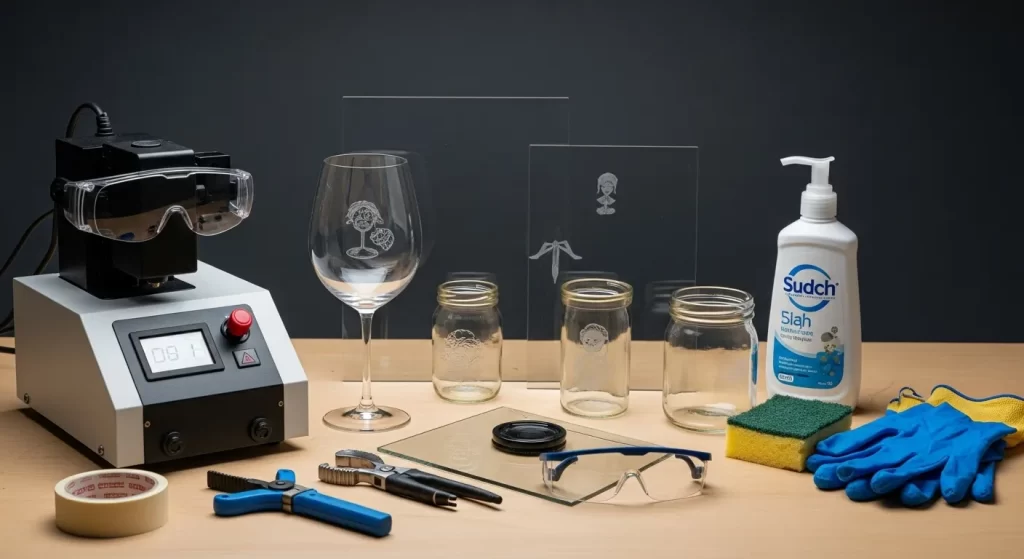
What Are the Core Principles of Safe Laser Engraving on Glass?
The core principles of safe laser engraving on glass are built upon a culture of respect for the technology. This involves a proactive mindset focused on prevention, a thorough understanding of the equipment, and an unwavering commitment to following established safety protocols. Safety is not a single action but a constant state of awareness that must be maintained before, during, and after every engraving job.
How Does Safety Form the Foundation of the Process?
Safety forms the foundation by establishing a non-negotiable set of rules and procedures that govern every interaction with the laser machine. Before a single design is engraved, the operator must have a complete understanding of the potential hazards and how to mitigate them. This safety-first culture ensures that all necessary precautions, from wearing the correct protective equipment to ensuring proper ventilation, are in place. Without this solid foundation, any attempt to speed up the process or create complex designs is an invitation for accidents.
What is the "Golden Rule" of Laser Operation?
The undisputed "golden rule" of operating any laser is to never leave the machine running unattended. A laser engraver concentrates an immense amount of energy into a very small point, creating intense heat. Even with a non-flammable material like glass, unforeseen issues can arise. A mechanical failure or an issue with the material could potentially create a fire hazard. The operator must be present and attentive for the entire duration of the engraving job. This constant supervision is the single most important safety practice.
Why is Understanding the Technology Crucial for Safety?
Understanding the technology is crucial because it allows the operator to anticipate and prevent potential problems. Knowing how the laser creates its mark through thermal stress, as detailed in our guide where glass laser etching technology is explained, helps the operator understand why certain materials react differently. Understanding the role of the optics helps them to appreciate the importance of keeping them clean. This technical knowledge transforms the operator from a passive button-pusher into an informed and proactive user who can operate the machine both effectively and safely.
What is the Essential Safety Equipment (PPE) You Must Have?
The use of correct Personal Protective Equipment (PPE) and reliance on the machine's built-in safety systems are not optional. They are the primary physical barriers that protect the operator from the laser's potential hazards. Investing in and properly using this equipment is a fundamental requirement for anyone who wishes to engrave glass with a laser.
Why Are Laser Safety Glasses Non-Negotiable?
Laser safety glasses are non-negotiable because the laser beam, even a reflected or scattered one, can cause permanent and instantaneous eye damage. Standard sunglasses or prescription glasses offer zero protection. Laser safety glasses are specifically designed and rated to block the exact wavelength of light produced by your laser. For a CO2 laser, this means glasses with an Optical Density (OD) rating of 5+ at a wavelength of 10,600nm. They are the most important piece of personal safety equipment you will own.
What is the Role of the Machine's Enclosure and Interlocks?
The machine's enclosure and its safety interlocks are your first and most important line of defense.
- The Enclosure: The machine's cabinet is designed to contain the laser beam completely. The viewing window is made of a special acrylic or polycarbonate that is opaque to the laser's wavelength.
- The Interlocks: These are safety switches on the machine's lid and access panels. If the lid is opened while the laser is running, the interlock will immediately cut power to the laser. A beginner should never purchase a machine that does not have a fully enclosed and interlocked design. These are critical, life-saving features.
How Does a Fume Extraction System Protect You?
A fume extraction system is a critical health and safety component. The laser engraving process vaporizes microscopic particles of glass, creating a fine silica dust. Inhaling this dust over time can lead to serious and irreversible lung diseases like silicosis. The fume extraction system is a powerful fan that pulls the smoke and dust from the enclosure. It then either vents it safely outdoors or passes it through a multi-stage filtration unit that captures the harmful particles. Operating a laser without proper fume extraction is extremely hazardous.
Why is a Fire Extinguisher a Mandatory Accessory?
A fire extinguisher is a mandatory accessory because even though glass is not flammable, the laser machine itself contains electronics and other components that could potentially catch fire. A small, easily accessible fire extinguisher rated for electrical fires (Class C) should be located within arm's reach of the machine at all times. The operator should know how to use it. This simple precaution can prevent a small electrical issue from becoming a major disaster.
How Do You Prepare Your Workspace for Safe Operation?
A safe workspace is a clean, organized, and well-prepared environment. The area where the laser machine is located must be set up to support its specific needs. This involves providing a stable foundation, managing electrical power safely, and maintaining a clutter-free zone around the machine.
What Defines a Safe Location for a Laser Engraver?
A safe location for a laser engraver is a well-ventilated area with a solid, stable, and level surface to support the machine's weight. The area must be free of flammable materials. Do not place the machine near curtains, paper storage, or chemical solvents. There must be adequate space around the machine for access and maintenance. Most importantly, there must be a way to properly vent the fume extraction system to the outdoors through a window or a dedicated wall vent.
How Do You Manage Electrical Safety?
Proper management of electrical safety is crucial. The laser engraver should be plugged into a dedicated electrical circuit. This prevents it from overloading a circuit that is shared with other appliances. The outlet should be properly grounded. Using a high-quality surge protector is also highly recommended to protect the machine's sensitive electronics from power fluctuations. All cables should be neatly managed and kept out of walkways to prevent tripping hazards.
Why is a Clean and Organized Workspace Important?
A clean and organized workspace is important for both safety and efficiency. A cluttered area around the machine is a fire hazard. It also makes it difficult to move around safely. Before starting a job, the work area should be cleared of any unnecessary items. The inside of the laser's workbed should also be kept clean. A buildup of debris can be a fire risk and can also interfere with the machine's mechanics. A culture of cleanliness is a key component of a professional and safe workshop.
What is the Step-by-Step Process to Engrave Glass with a Laser Safely?
Following a systematic, step-by-step process is the key to achieving a great result safely. This workflow takes you from the initial digital design to the final engraved piece. By following these steps in order, a beginner can build confidence and ensure that no critical safety or quality check is missed.
Step 1: How Do You Prepare Your Digital Design?
The process begins on the computer. The desired artwork, text, or logo is created in a graphic design program. For the best results with a laser, vector-based files (like SVG or AI) are ideal for line work, while high-resolution bitmap images (like JPG or PNG) are needed for photographic engraving. The design should be checked for any errors and correctly sized for the final glass object. A good understanding of the software is the first step toward achieving professional results.
Step 2: How Do You Prepare the Glass Itself?
The glass must be thoroughly prepared. First, it must be cleaned with isopropyl alcohol or a good glass cleaner to remove all fingerprints, oils, and dirt. Any residue on the surface can interfere with the laser and cause an inconsistent etch. For many types of glass, applying a thin, wet mask can significantly improve the quality and safety of the engraving. A common and effective method is to apply a single, damp layer of a paper towel or a thin, even coat of liquid dish soap to the area to be engraved.
Step 3: How to Set Up the Machine and Secure the Glass?
The prepared piece of glass is then carefully placed inside the laser's enclosure on the workbed. It is crucial that the glass is level and stable. For flat pieces, ensure it is lying flat on the support bed. For cylindrical items like wine glasses, a rotary attachment must be used. This device securely holds the glass and rotates it during the engraving process. Attempting to engrave a round object without a rotary attachment is unsafe and will produce poor results.
Step 4: How Do You Set the Correct Laser Focus?
Setting the correct laser focus is one of the most critical steps for achieving a high-quality etch. The laser beam must be perfectly focused on the surface of the glass. An out-of-focus beam will be wider and less powerful. This will result in a blurry, weak engraving. Most machines come with a small focusing tool or an auto-focus feature. The operator must use this tool to set the exact distance between the laser lens and the glass surface. This must be done before every job.
Step 5: How to Determine Safe and Effective Laser Settings?
Determining the correct laser settings is a process of testing. The two main settings are power and speed. For glass, a common strategy is to use relatively low power and high speed. This creates the micro-fractures without putting too much heat into the glass. The best way to find the ideal settings for your specific machine and glass type is to run a test grid on a scrap piece of the same material. This will show you exactly how different combinations of power and speed will look.
Step 6: How to Execute the Engraving Process Safely?
With the setup complete, it is time to execute the job safely.
- Start Fume Extraction: Turn on the fume extraction system before starting the laser.
- Close the Lid: Ensure the machine's safety lid is fully closed. The interlocks should prevent the laser from firing if it is not.
- Start the Job: Begin the engraving process from the control software.
- Stay and Monitor: Never leave the machine unattended. Watch the process through the safety window. Listen for any unusual sounds. Be ready to press the emergency stop button if needed.
What Are Specific Safety Techniques for Engraving Glass?
Beyond the general safety protocols, there are several techniques specific to glass that can enhance both safety and the quality of the final result. These professional tips help to manage the unique challenges of applying intense heat to a brittle material.
How Does Applying a Wet Mask Improve Safety and Quality?
Applying a thin, wet mask (like a damp paper towel) serves two important functions. First, it helps to dissipate the intense heat from the laser. This prevents excess heat from building up in the glass, which can lead to unwanted chipping or even cracking. Second, it helps to contain the fine silica dust created during the engraving. The dust gets trapped in the wet paper towel instead of becoming airborne within the machine's enclosure. This results in a cleaner process and a smoother, more uniform frosted finish.
Why is a Rotary Attachment Safer for Cylindrical Objects?
A rotary attachment is safer because it securely holds the cylindrical object. Trying to balance a wine glass or bottle on the flat bed of the laser is extremely unstable. The piece could roll during the engraving process. This would ruin the design and could potentially create a hazardous situation if it interferes with the laser head. A rotary attachment grips the object firmly and rotates it with precision. This is the only safe and effective way to engrave cylindrical items.
How Do You Handle Different Types of Glass Safely?
Not all glass is suitable for laser engraving. The operator must know what they are working with.
- Tempered Glass: Never attempt to laser engrave tempered glass. Tempered glass is under high internal stress. The thermal shock from the laser will cause it to shatter into thousands of small pieces.
- Leaded Crystal: Engraving leaded crystal can be hazardous. The laser can vaporize the lead content, creating toxic fumes. If you must engrave leaded crystal, an extremely powerful and effective fume extraction system with specialized filters is required.
- Borosilicate Glass: This type of glass has a very low coefficient of thermal expansion. It is more resistant to thermal shock, but it is also more difficult to get a good, high-contrast mark on. It requires different laser settings.
How Does Laser Engraving Safety Compare to Other Methods?
When compared to other decorative glass techniques, laser engraving, when done correctly, is one of the safest and most accessible methods for a home or small workshop environment. Its primary hazards are well-contained by a properly designed machine.
Is Laser Engraving Safer Than Chemical Etching?
Yes, laser engraving is significantly safer than traditional chemical etching. As the guide on laser vs chemical glass etching explains, chemical etching uses hydrofluoric acid. This is a highly corrosive and toxic substance that requires extensive safety precautions, including specialized ventilation and PPE. A laser achieves a similar look without the use of any hazardous chemicals. This makes it a much better choice for a home or beginner setup.
How Does it Compare to CNC Rotary Engraving?
The safety hazards are different but manageable for both. In the laser engraving vs cnc engraving for glass comparison, the laser's main hazard is the invisible light beam. The CNC's main hazards are the high-speed rotating tool and the liquid coolant system. For a beginner, the enclosed, non-contact nature of a laser is often considered to be more straightforward from a safety perspective than dealing with a physical cutting tool.
What Are the Post-Engraving Safety and Cleanup Procedures?
The safety procedures do not end when the laser stops. The post-engraving process involves safely removing the piece, cleaning it, and performing basic machine cleanup to prepare for the next job.
How Do You Safely Remove the Glass from the Machine?
After the engraving is complete, it is important to wait a minute or two before opening the lid. This allows the fume extraction system to clear any remaining smoke and dust from the enclosure. The glass piece may also be warm to the touch. It is best to wait for it to cool down before handling it. Always wear gloves when removing the glass to avoid leaving fingerprints.
What is the Correct Way to Clean the Engraved Glass?
The engraved glass will have a layer of fine glass dust residue on its surface. This should be cleaned off to reveal the final, crisp etch. The best way to do this is to rinse the piece under cool running water. A soft-bristled brush, like an old toothbrush, can be used to gently scrub the engraved area. The piece can then be dried with a soft, lint-free cloth. For any stubborn residue, a wipe with isopropyl alcohol is effective.
How Do You Perform Routine Machine Maintenance for Safety?
Routine maintenance is essential for long-term safe operation. The most important tasks are cleaning the laser's optics and the fume extraction filters. A dirty lens or mirror can absorb laser energy. This can cause it to overheat and crack. A clogged filter will reduce the effectiveness of the fume extraction system. A regular schedule for these tasks is a key part of the recommendations in our guide on the maintenance of glass engraving machines.
Conclusion
The process of how to engrave glass with laser safely is a journey of knowledge, discipline, and respect for a powerful tool. By investing in the right safety equipment, preparing the workspace methodically, and following a systematic operational workflow, anyone can safely unlock the incredible creative potential of this technology. The frosted, intricate designs that a laser can produce are a testament to modern innovation. By making safety the unwavering priority at every step, the beginner can confidently explore this fascinating intersection of art and technology. This creates beautiful, personalized works in glass with both skill and peace of mind.