



Glass Engraving Ideas for Architecture Design
The use of innovative glass engraving ideas for architecture is transforming the way designers approach transparency, light, and branding in the built environment. This technology allows for the creation of intricate, permanent designs on glass surfaces. It turns a simple building material into a dynamic canvas for artistic expression and corporate identity. These advanced techniques are not merely decorative afterthoughts. They are integral design elements that can define the character of a space, control light, and communicate a powerful message. This guide provides an expert exploration of the applications and concepts behind architectural glass engraving.
What is the Role of Engraving in Architectural Design?
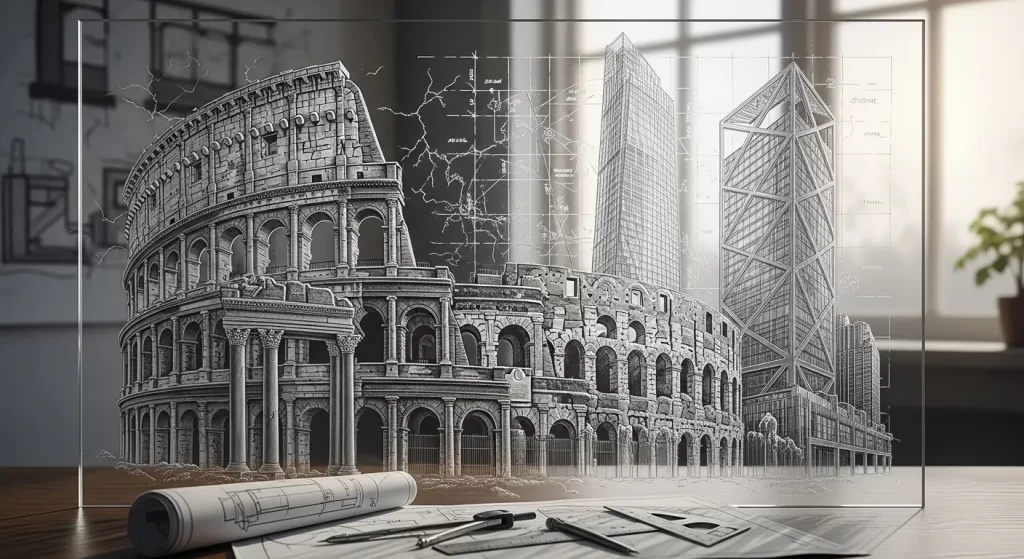
The role of engraving in architectural design is to add a layer of texture, detail, and custom branding to glass surfaces. This elevates glass from a simple transparent barrier to an active and expressive building material. Engraved patterns can manipulate light, create privacy, and reinforce a building's identity. This makes it a powerful tool in the architect's and designer's palette. It allows for a level of customization that is impossible with standard, unadorned glass.
How Does Engraving Enhance the Play of Light?
Engraving enhances the play of light by disrupting the smooth surface of the glass. The carved grooves or frosted textures catch and refract light in a dynamic way. An engraved line can sparkle as the sun moves across it. A large etched area can diffuse harsh sunlight into a soft, ambient glow. This interaction with light animates the building's facade and interior spaces. It creates a constantly changing visual experience throughout the day. This manipulation of light is a key goal for many architects.
What is its Function in Creating Visual Texture?
The function of engraving in creating visual texture is to add depth and tactile interest to a flat material. A large expanse of plain glass can feel cold and monolithic. An engraved pattern, whether a fine geometric grid or a complex organic motif, adds a sense of craftsmanship and detail. This texture can break up large surfaces. It can also create a sense of scale and human touch. It transforms a simple glass wall into a rich, layered surface.
How Does it Serve as a Permanent Branding Element?
Engraving serves as a permanent branding element by physically embedding a logo or brand pattern into the architecture itself. As detailed in our guide on glass engraving for decor and branding, this method is far more durable and prestigious than a vinyl decal. An engraved logo on a building's entrance conveys a message of stability, quality, and permanence. It becomes an integral part of the building's identity. It is a powerful statement of a brand's commitment to its physical presence.
What are the Key Engraving Technologies for Architecture?
The key engraving technologies used in architecture are CNC rotary engraving, laser etching, and 3D sub-surface laser engraving. Each technology offers a distinct aesthetic and is suited for different scales and applications. The choice of technology is a critical design decision. It determines the final look, feel, and cost of the architectural glass feature.
What is CNC Rotary Engraving?
CNC rotary engraving is a mechanical, subtractive process. It uses a computer-controlled diamond-tipped tool to physically carve a groove into the glass surface. This method is known for creating deep, brilliant, V-shaped cuts that sparkle as they refract light. It is ideal for creating bold, high-impact designs, such as large-scale logos and deep-carved patterns. This technique is explored in the laser engraving vs CNC engraving for glass comparison.
What is Laser Etching and Its Architectural Use?
Laser etching is a non-contact, thermal process. It uses a focused laser beam to create a fine, frosted mark on the glass surface. The glass laser etching technology explained in detail shows it creates a mark by inducing microscopic fractures. This method is valued for its incredible precision. It can reproduce fine lines, complex patterns, and even photorealistic images. In architecture, it is used for creating privacy screens, detailed wayfinding signage, and large-scale graphic murals on glass.
What is 3D Sub-Surface Engraving for Architectural Art?
3D sub-surface engraving is a specialized laser technique. It creates a three-dimensional image that appears to float inside a solid block of glass. The how 3d glass engraving machines work guide explains this point-by-point process. For architecture, this can be used on a large scale. Multiple engraved blocks can be assembled to create stunning, internally illuminated feature walls or artistic sculptures. This is one of the most advanced 3d glass art machine applications.
What are the Top Glass Engraving Ideas for Building Exteriors?
The exterior of a building is its public face. Glass engraving offers a powerful way to create a unique and memorable identity for a building's facade. These applications can enhance the building's aesthetic, provide functional benefits, and integrate branding directly into the architectural fabric.
How Can Engraving Be Used on Glass Facades?
Engraving can be used on the large glass panels of a curtain wall facade to create a building-scale pattern or "skin." A subtle, repeating geometric pattern can be laser etched across hundreds of panels. This can help to modulate sunlight and reduce glare inside the building. It also adds a layer of visual texture and complexity to the facade. This transforms it from a simple glass box into a more dynamic and articulated surface. The market for decorative architectural glass is growing.
What Are Some Ideas for Glass Balustrades and Railings?
Glass balustrades for balconies and staircases are a prime canvas for engraving. A simple, elegant pattern can be etched onto the panels to provide a degree of visual privacy. The logo of a hotel or a corporate building can be engraved on the balustrade panels of its main atrium. For a more artistic approach, a flowing, organic design can be engraved across a series of panels. This creates a continuous piece of art that guides movement through the space.
How is Engraving Applied to Glass Canopies and Awnings?
Glass canopies over a building's entrance provide an excellent opportunity for branding and decoration. The name of the building or the primary tenant can be deep-carved into the overhead glass panels. A more subtle approach is to laser etch a fine, decorative pattern onto the canopy. This can cast interesting shadows on the ground below as the sun moves throughout the day. This is a functional element that is transformed into a decorative feature.
What Are Some Concepts for Grand Entranceways?
The main entranceway of a building is a key branding opportunity. Large, heavy glass doors can be engraved with a company's logo or a custom welcome message. The glass sidelights and transom windows surrounding the entrance can feature an intricate engraved pattern. This creates a cohesive and impressive sense of arrival. This use of engraved glass establishes a tone of quality and permanence from the moment a visitor approaches the building.
What Are the Best Glass Engraving Ideas for Interior Spaces?
Inside a building, engraved glass can be used to define spaces, guide movement, and create stunning focal points. The applications are incredibly diverse. They range from large architectural partitions to fine decorative details. Interior engraving allows for a high degree of control over the look and feel of a space.
How Can Engraved Glass Partitions Define a Space?
Engraved glass partitions are a modern and elegant way to divide interior spaces. They are a popular choice for open-plan offices, restaurants, and hotel lobbies. A laser-etched pattern can provide a sense of separation and privacy without blocking the flow of natural light. The pattern can range from a simple frosted band to a complex, floor-to-ceiling artistic mural. This turns a simple partition into a feature wall.
What is the Role of Engraving on Interior Doors?
Engraving on interior glass doors serves both functional and aesthetic purposes. In a corporate office, the names of departments or room numbers can be elegantly etched onto the glass doors. This is a more sophisticated solution than a simple vinyl sign. In a residential setting, a decorative pattern can be engraved on the glass of a pantry or a study door. This adds a custom touch to the interior design.
How Can it Be Used on Glass Staircases and Landings?
Glass staircases are a dramatic architectural feature. Engraving can enhance them even further. The glass treads of the staircase can be etched with an anti-slip pattern. This is a design element that also improves safety. The large glass panels of the stair railing, or balustrade, can be engraved with a continuous pattern that flows up the staircase. This guides the eye and adds a sense of movement and dynamism.
What Are Some Innovative Ideas for Glass Flooring?
Glass flooring is a bold design choice. Engraving can make it even more spectacular. A pattern can be etched onto the underside of the glass floor panels. When the floor is lit from below, the pattern will glow. This can be used to create illuminated pathways or large-scale floor art. For safety, the top surface of the glass floor is typically treated with an anti-slip finish. This can also be an etched pattern. The durability of an etch is a key factor here.
How is it Used for Large-Scale Wall Art?
Large panels of glass can be engraved to create stunning, large-scale wall art. This is a modern alternative to a traditional painting or mural. An artist can create a digital design. This design can then be perfectly reproduced on one or more glass panels using a laser or CNC machine. The panels can be back-lit to create a dramatic, glowing effect. This is a high-impact application that is perfect for corporate lobbies, hotel reception areas, and luxury residences.
What Are the Functional Applications of Engraved Glass?
Beyond its purely decorative uses, glass engraving for décor and branding also has a number of important functional applications in architecture. In these cases, the engraved pattern is not just for beauty. It also serves a practical purpose, such as providing privacy, conveying information, or improving safety.
How Can Engraved Patterns Create Privacy?
Engraved patterns are an excellent way to create privacy on glass surfaces. A dense pattern etched onto a glass wall can obscure the view. This makes it ideal for conference rooms, medical offices, and bathroom enclosures. Unlike a solid wall or a curtain, an etched glass panel still allows a significant amount of light to pass through. This maintains a bright and open feel in the space. The level of privacy can be precisely controlled by the density and opacity of the etched pattern.
What is the Role of Engraving in Wayfinding and Signage?
Engraving plays a key role in creating sophisticated and durable wayfinding systems. Directional arrows, room numbers, and informational text can be permanently engraved onto glass panels. This is a much more elegant and long-lasting solution than vinyl lettering. When the engraved signs are edge-lit with LEDs, the text and symbols glow brightly. This makes them highly visible and easy to read. This is a common application in airports, museums, and large corporate campuses.
How Can it Be Used to Improve Safety?
Engraving can be used to improve safety in several ways. As mentioned, an etched pattern can be applied to glass flooring and stair treads to create a non-slip surface. Large, clear glass walls are often required by building codes to have "distraction markers." These are patterns that make the glass visible to prevent people from walking into it. An elegant engraved or etched pattern is a far more sophisticated solution for this than a simple sticker. The safety of the process itself is also a key consideration, as detailed in our guide on how to engrave glass with laser safely.
How Does an Architect or Designer Approach the Process?
For an architect or designer, the process of incorporating engraved glass into a project is a collaborative one. It involves close communication with the glass fabricator. The process moves from conceptual design to digital preparation and finally to production. A clear understanding of the technology's capabilities and limitations is essential for a successful outcome.
What is Involved in the Conceptual Design Phase?
In the conceptual design phase, the architect or designer develops the initial idea. They decide where the engraved glass will be used and what its purpose will be. They will create sketches and mood boards to define the aesthetic of the pattern. At this stage, it is a good idea to consult with a glass fabrication expert. The expert can provide advice on the feasibility of the design and the most suitable engraving technique. The success of this phase depends on a deep understanding of the creative possibilities.
How is the Design Prepared for Production?
Once the concept is approved, the design must be prepared for production. This involves creating a precise digital file. This is typically a vector file (for CNC or vector laser work) or a high-resolution bitmap file (for raster laser work). The designer must use professional software tools to create a "clean" file that the engraving machine can read accurately. The guide to the top glass engraving software tools reviews the industry standards for this critical step.
What is the Importance of Prototyping and Samples?
Before committing to the full-scale production of large and expensive architectural panels, prototyping is essential. The designer should request a small-scale sample from the fabricator. This sample should be on the exact same type of glass that will be used for the final project. This allows the designer to see and feel the final result. They can check the depth of the carve, the opacity of the etch, and how it interacts with light. This sample approval step is a critical quality control measure. It prevents costly misunderstandings and ensures the final installation meets the designer's vision.
Conclusion
The many glass engraving ideas for architecture demonstrate that this technology has moved far beyond simple decoration. It is now a powerful and integral tool for architectural expression. It allows designers to use glass as a dynamic and communicative medium. They can shape light, define space, and embed identity directly into the building's fabric. From the grand gesture of a patterned facade to the fine detail of an illuminated sign, engraved glass offers a unique combination of artistry, permanence, and sophistication. It is a testament to how modern innovation can enhance one of architecture's most timeless materials.