
 FAQs
 Factory Tour



Commercial vessel operators face stricter operational demands than ever before. Shipyards must build hulls that maneuver tightly in congested waterways while complying with rigorous carbon reduction mandates. Because of this, marine architects increasingly rely on the steerable diesel rudder propeller to address propulsion and steering needs in a single modular installation.
Modern vessels demand durable structural hardware. Precision manufacturing partners like BAINENG CNC supply high-tolerance mechanical parts, precision housings, and shafting support systems that keep these propulsion units operating continuously under high hydrodynamic stress. If you are drafting new vessel plans or repowering an aging fleet, send an inquiry to our marine hardware team to review engineering requirements.
1. What is a Diesel Rudder Propeller? (Working Principle & Core Components)
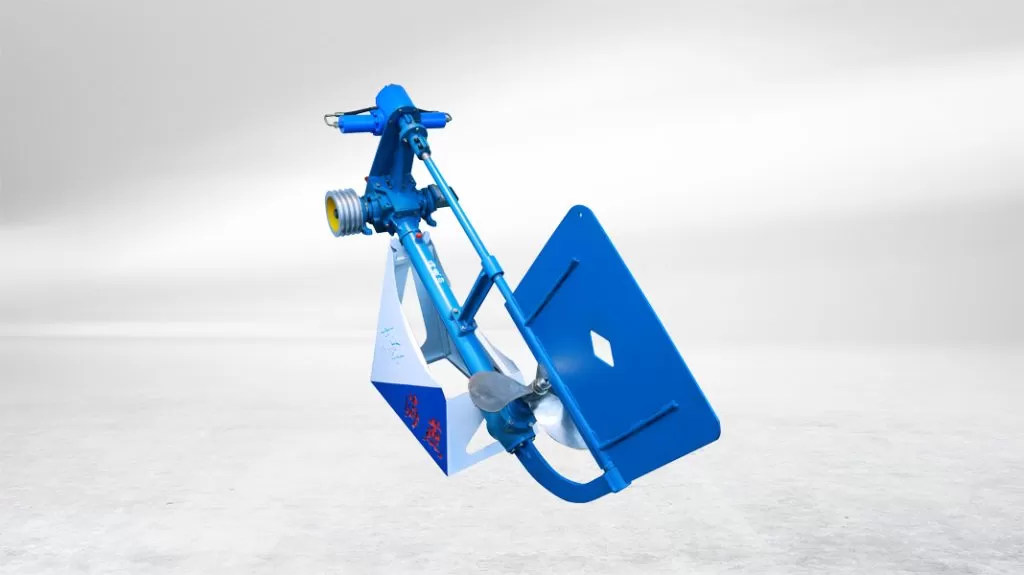
A diesel rudder propeller is an integrated propulsion system that combines propulsive thrust with directional steering. Unlike conventional setups that push water past a static rudder blade, this system rotates the entire underwater propeller assembly 360 degrees horizontally. This design delivers omnidirectional thrust without requiring a separate rudder plate or stern thruster.
Mechanical Structure Breakdown
- Diesel Prime Mover: Medium- or high-speed marine diesel engines supply mechanical energy directly via an intermediate drive shaft.
- Transmission Shafting: Heavy-duty input shafts connect the diesel engine through a marine clutch and elastic coupling to the upper gearbox.
- Azimuth Gearbox (Z-Drive or L-Drive): Spiral bevel gears transfer torque through a vertical column down to the lower torpedo housing.
- Slewing Bearing and Steering Ring: Hydraulic or electric planetary drives rotate the lower housing continuously around its vertical axis.
- Propeller and Duct: High-skew blade designs, frequently enclosed within a hydrodynamic Kort nozzle, turn mechanical torque into raw thrust.
The 360-Degree Azimuth Principle
The steering system does not wait for water flow over a rudder surface to generate steering force. Instead, it vectors the propulsive jet directly. The helm can turn the propeller full circle in seconds. This allows full engine output in any direction, providing immediate stopping power, sideways crabbing, and instant station keeping.
2. Diesel Rudder Propeller vs. Traditional Shaft Propulsion: A Comparative Analysis
Naval architects balance machinery arrangements against hydrodynamics. Traditional shaft systems rely on a prime mover, reduction gearbox, long tailshaft, sterntube seals, and a suspended rudder blade. In contrast, an integrated marine azimuth thruster combines these scattered elements into a single transom or well-mounted casing.
| Performance Feature | Conventional Shaft & Rudder | Diesel Rudder Propeller |
|---|---|---|
| Turning Circle Diameter | 3 to 5 times vessel length | Capable of zero-radius turning (spins on axis) |
| Reverse Thrust Transition | Requires gearbox reversal; 30-60 seconds | Instantaneous via 180-degree azimuth rotation |
| Machinery Footprint | Long shaft line occupies prime hull space | Compact, modular installation positioned aft |
| Shipyard Installation Time | High: complex alignment of shafts and bearings | Low: drop-in unit cuts fitting labor by ~40% |
| Low-Speed Maneuverability | Poor: requires steerage speed over rudder | Maximum: direct thrust vectoring at dead slow |
By moving the propulsion machinery aft, shipyards reclaim central cargo holds and tank capacity. The structural simplicity accelerates overall build schedules, as fitters align a single deck well instead of juggling distant shaft line bearings.
3. Key Advantages in Modern Shipbuilding
Superior Maneuverability & Station Keeping
Precision control remains the primary reason shipyards specify a diesel-driven rudder propeller. Vessels hold position against strong lateral cross-currents during harbor docking or close-quarters towing. Working with dynamic positioning (DP) systems, computer-controlled thrusters counter wind drift and swell in real time.
Optimized Fuel Efficiency
Direct vectoring reduces hydrodynamic drag. Conventional rudders produce parasite resistance when applying counter-rudder to maintain course. A steerable thruster applies micro-adjustments directly along the vessel line of advance, cutting drag and trimming daily fuel burn across transit routes.
High Bollard Pull
Harbor tugs require massive static pull force. Fitting a diesel rudder propeller inside an accelerating nozzle creates massive static thrust per kilowatt. The ducted profile increases water mass flow through the propeller disc, delivering maximum bollard pull ratings during pushing and towing maneuvers.
4. Primary Marine Applications: Where Do They Excel?
These steerable systems drive vessels that work in challenging, tight spaces:
- Tugboats and Escort Vessels: Harbor tugs depend on omnidirectional thrust to guide ultra-large container vessels into shallow berths.
- Offshore Support & CTVs: Crew transfer vessels and dive support craft hold rock-steady positions alongside offshore wind turbines.
- Inland Waterway Barges & RoPax Ferries: River pushboats steer winding canals without stalling traffic or colliding with lock walls.
- Trailing Suction Hopper Dredgers: Dredging vessels require steady, high-thrust tracking at very low speeds while resisting underwater drag loads.
5. 2026 Trends: Innovations Shaping Diesel Rudder Propellers
The propulsion sector in 2026 demands strict environmental compliance alongside rugged mechanical reliability. Marine engineers no longer view diesel thrusters as isolated mechanical parts. Instead, they operate as nodes inside an integrated, digital vessel control network.
Machined components inside these drives undergo tighter quality control than ever. Equipment manufacturers partner with specialized gear and structural fabricators like BAINENG CNC to produce high-precision bevel gear blanks, bearing housings, and steering shafts compliant with ASTM standard alloy steel specifications. This level of precision prevents tooth pitting and extends operational life under heavy shock loads.
Emission Compliance (IMO Tier III & Beyond)
Stricter limits in Emission Control Areas (ECAs) mean diesel engines driving these thrusters now rely on integrated Selective Catalytic Reduction (SCR) systems. Exhaust gas recirculation circuits fit compactly upstream of the intermediate drive shaft, cutting NOx outputs without penalizing transient engine response during quick maneuvers.
Alternative Fuel Adaptability
Fleet operators are transitioning away from standard marine gas oil. Modern engines powering diesel rudder propeller systems run on Hydrotreated Vegetable Oil (HVO) and fatty acid methyl ester (FAME) blends. Fuel systems also align with ISO 8217 marine fuel standards, helping operators cut life-cycle carbon while retaining the high energy density of diesel technology.
Hybrid Mechanical-Electric Topologies
Shipyards regularly specify dual-input azimuth gearboxes. These allow a primary diesel engine to handle high-thrust transits, while an auxiliary electric motor handles slow steaming or zero-emission harbor maneuvering. A hydraulic PTI/PTO clutch disconnects the diesel block entirely during low-speed port calls.
Predictive Maintenance and Edge Analytics
Sensor arrays mounted inside the lower gearbox measure oil dielectric constants, bearing temperature shifts, and high-frequency vibration signals. Onboard computers analyze these streams locally, identifying gear mesh wear before a mechanical failure grounds the vessel.
6. Engineering Selection Guide: How to Choose the Right Unit
Selecting the correct unit demands careful balancing between structural naval architecture and operational duty profiles:
- Power and Thrust Sizing: Calculate open-water resistance curves against required bollard pull. Ensure the diesel continuous rating (MCR) matches realistic sea states rather than calm-water assumptions.
- FPP vs. CPP Configuration: Fixed-Pitch Propellers (FPP) offer low mechanical complexity, lower drydock overhaul costs, and high durability for tugs. Controllable-Pitch Propellers (CPP) provide faster thrust response across variable load cycles, though at higher capital cost.
- Classification Society Approvals: Verify that gear designs, shaft diameters, and underwater housing materials carry type-approval certificates from bodies such as DNV, ABS, Lloyd’s Register, or CCS.
- Well Mounting Style: Choose between weld-in transom units,
top-mounted drop-in wells, or underwater demountable assemblies based on your
drydock schedule and repair budgets.
7. Maintenance and Overhaul Best Practices
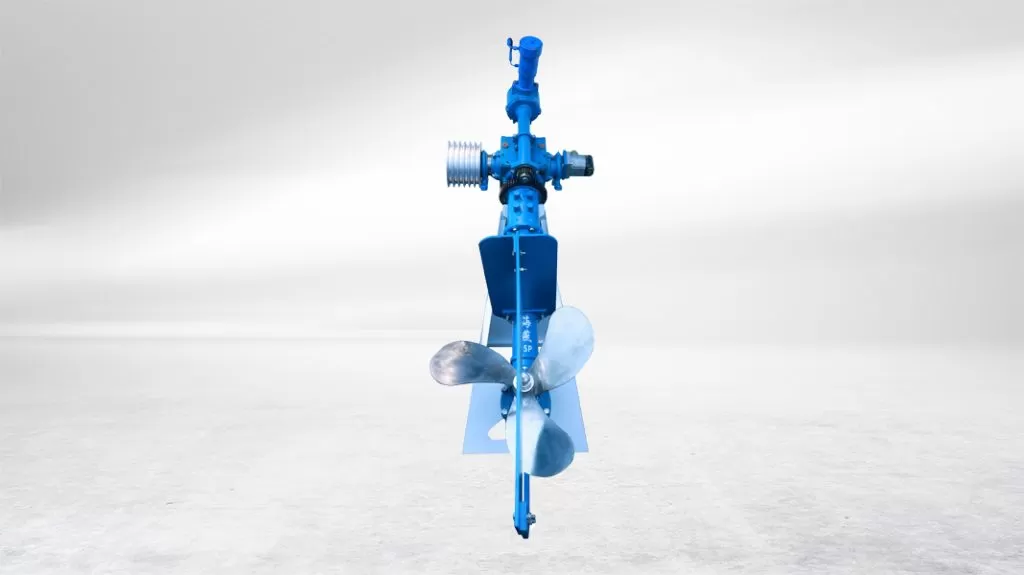
Consistent preventative servicing protects azimuth thruster gear trains from early wear and failure. Follow these core procedures:
- Lubrication Oil Monitoring: Take monthly gear oil samples. Test for water ingress, kinematic viscosity shifts, and metallic wear debris (iron, copper) that indicate gear tooth breakdown.
- Dynamic Seal Inspections: Check lip seal pressures daily. Clean fishing nets, lines, and ocean trash away from the propeller shaft rope guard during every diver hull inspection.
- Steering Gear Backlash Measurement: Gauge gear backlash on slewing pinions every 4,000 running hours to maintain responsive positioning.
- Dry-Docking Overhaul Schedule: Pull the lower gear set every five years. Replace primary shaft bearings, renew propeller shaft wear sleeves, and pressure-test the steering seal assembly.
8. Frequently Asked Questions (FAQs)
Q1: What is the main difference between a Z-drive and an L-drive diesel rudder propeller?
A1: A Z-drive features two right-angle gear sets: an upper horizontal shaft redirects torque down a vertical column, and a lower set redirects it to the horizontal propeller shaft, tracing a "Z" shape. An L-drive uses a vertically oriented motor directly above the steering tube, eliminating the upper gearbox and requiring only one right-angle turn.
Q2: Can a diesel rudder propeller integrate with dynamic positioning (DP) systems?
A2: Yes. Modern electronic governors and hydraulic steering valves interface with DP-1, DP-2, and DP-3 packages. The system automatically computes and balances thrust angles across multiple units to keep the vessel on station without human intervention.
Q3: How does a steerable nozzle improve bollard pull compared to an open propeller?
A3: A Kort nozzle accelerates water through a hydrofoil profile, creating a low-pressure zone at the nozzle entry. This hydrodynamic profile generates auxiliary forward thrust, boosting bollard pull output by up to 30% at low towing speeds compared to open blades.
Q4: How often does an azimuth thruster require drydock servicing?
A4: Most classification societies mandate comprehensive drydock inspections every five years. However, vessels working in harsh, sandy waters often inspect shaft seals and change lower drive oil every 30 to 36 months.
Q5: Can existing shaft-driven ships be repowered with diesel rudder propellers?
A5: Yes. Shipyards can remove long tailshafts, intermediate bearings, and rudder stocks to install structural wells aft. While this retrofit requires structural hull reinforcement, it expands usable engine room floor space and upgrades vessel maneuverability.
Modern Propulsion Built for Demanding Projects
The diesel rudder propeller remains an essential propulsion choice for commercial vessels that require responsive handling, compact layouts, and dependable pulling power. By pairing proven medium-speed diesel engines with modern 360-degree vector drives, commercial fleets meet modern emission targets while retaining the maneuverability needed in congested ports.
Precision mechanical components determine propulsion reliability. As industrial machining experts, BAINENG CNC supports naval shipbuilders and component makers with structural parts, shafts, and precision-machined elements built for tough open-water service. Reach out to our engineering team today with your project specs to receive a detailed technical quote and production assessment for your next build.