



Beveling Glass for Interior Design Inspiration
The art of beveling glass for interior design is a timeless technique for adding elegance, light, and dimension to a space. It is a sophisticated process that transforms glass from a simple functional material into a powerful decorative element. A beveled edge is not merely a finish; it is a deliberate design choice. It manipulates light and reflection to enhance a room's ambiance. This guide offers expert insight and inspiration. It details how this classic feature can be used to elevate modern and traditional interiors alike. It is a definitive resource for designers, architects, and homeowners.
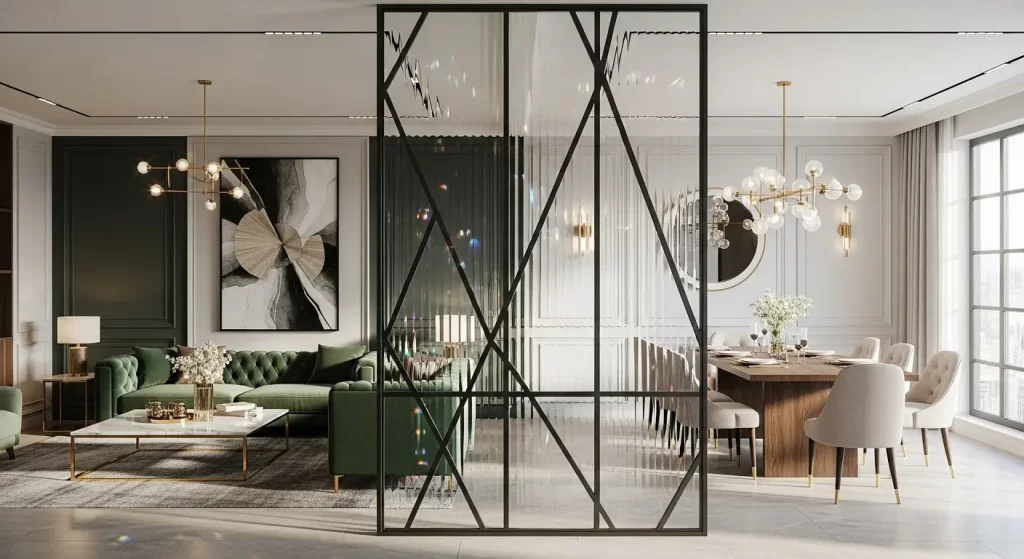
What is the Role of Beveling Glass for Interior Design?
The primary role of beveling glass for interior design is to create a high-end, decorative effect that enhances a room's aesthetic appeal. This process adds a layer of sophistication and craftsmanship. It turns functional items like mirrors and tabletops into focal points. The angled, polished surface interacts with light in a dynamic way. This adds sparkle, depth, and a sense of luxury that a simple flat glass edge cannot replicate.
How Does Beveling Elevate a Simple Glass Sheet?
Beveling elevates a simple glass sheet by giving it dimension and character. A standard piece of glass is a two-dimensional object. A beveled glass edge introduces a third dimension. This angled, prismatic border frames the glass. It creates a visual transition between the edge and the surface. This small detail has a profound impact. It signals a higher level of quality and a greater attention to design detail. It is a subtle but powerful statement of luxury.
Why is it Considered a Premium Finish?
It is considered a premium finish due to the complexity of its creation. The process, detailed in our guide on how glass beveling machines work, is a multi-stage operation. It requires specialized machinery to grind and polish the glass at a precise angle. This is a more involved and time-consuming process than creating a standard flat polished edge. This additional labor and machine time are what place it in a higher-value category. The brilliant visual result justifies its status as a premium design choice.
How Does Beveled Glass Enhance a Room's Ambiance?
Beveled glass enhances a room's ambiance by manipulating light, expanding the sense of space, and introducing an element of timeless elegance. Its unique physical properties allow it to interact with its environment in a way that flat glass cannot. This interaction adds a layer of visual interest and sophistication. It can make a room feel brighter, larger, and more refined.
How Does it Play with Light and Reflection?
A beveled edge plays with light by acting as a prism. When light, either natural or artificial, strikes the angled surface, it is refracted. This means the light is bent and separated into its spectral components. This creates a subtle, rainbow-like effect that adds a dynamic sparkle to the glass. This prismatic quality is the signature feature of a bevel. It animates the surface of the glass. It creates a play of light that changes throughout the day. The market for decorative glass is heavily influenced by these unique optical properties.
What is its Impact on Perceived Space?
The impact on perceived space is most noticeable with beveled mirrors. A large mirror is a well-known tool for making a small room feel larger. A beveled mirror enhances this effect. The angled border creates a "frame within a frame" illusion. This adds depth and draws the eye inward. The prismatic reflections along the edges also scatter light more dynamically around the room. This makes the space feel brighter and more open.
How Does it Add a Touch of Timeless Elegance?
Beveled glass adds a touch of timeless elegance because of its long history in high-end design. It has been used for centuries in palaces, stately homes, and luxury interiors. This historical association brings a sense of classic craftsmanship and enduring style to any space. It is a design element that transcends fleeting trends. It is equally at home in a traditional, art deco, or even a modern minimalist setting. Its ability to add a touch of grace is its most enduring quality.
What Are the Most Popular Applications in Interior Design?
The most popular applications for beveled glass are in items that serve as both functional objects and decorative focal points. These include mirrors, glass tabletops, cabinet doors, and architectural elements like transoms and sidelights. In each of these applications, the bevel elevates the piece from a simple utility to a deliberate and beautiful design statement.
Why Are Beveled Mirrors a Classic Design Choice?
Beveled mirrors are a classic design choice because the bevel acts as an integrated, elegant frame. It provides a finished, polished look without the need for a separate wood or metal frame. This makes them incredibly versatile. A large, frameless beveled mirror can make a dramatic statement in an entryway or over a fireplace. A smaller beveled mirror can add a touch of sophistication to a bathroom or a dressing area. This is a clear example of the glass beveling vs edging difference; the bevel is a decorative feature, not just a finished edge.
How is Beveling Used for Glass Tabletops?
Beveling is used for glass tabletops to add a sense of substance and refinement. A simple, flat polished edge on a glass tabletop is clean and modern. A beveled edge adds an extra layer of detail. It catches the light and creates a more defined perimeter. This is especially effective on thicker glass, where a wide bevel can be used. It is a popular choice for dining tables, coffee tables, and console tables. It provides a high-end finish that complements a wide range of base styles.
What is the Appeal of Beveled Glass in Cabinetry?
The appeal of beveled glass in cabinetry lies in its ability to showcase the contents in an elegant way. Using beveled glass inserts in kitchen cabinet doors, display cases, or built-in bookshelves adds a custom, high-end touch. The bevels catch the light and create a subtle sparkle. This draws attention to the items on display. It also breaks up the monotony of a solid wall of cabinetry. It adds a sense of lightness and transparency to the design. This is a very popular application in traditional and transitional kitchen design.
How is it Used in Architectural Elements like Doors and Transoms?
Beveled glass is frequently used in architectural elements to add detail and character. It is a common feature in front door sidelights and transom windows. It provides privacy while still allowing light to enter. The beveled patterns create a beautiful, welcoming first impression. It is also used in interior French doors and room dividers. The beveled edges catch the light as the doors move. This adds a dynamic and elegant touch to the interior architecture of a home.
How Do You Choose the Right Bevel for Your Design?
Choosing the right bevel involves considering the bevel's width, the type of glass, and how the final piece will integrate with the overall design style of the room. This is a decision where the details matter. The right choice will complement the space perfectly. A poor choice can feel out of place. It is a balance of scale, material, and style.
How Does Bevel Width Affect the Design?
The bevel width has a significant impact on the final look.
- Narrow Bevels (e.g., 1/2 inch): These provide a subtle, delicate touch. They are ideal for smaller pieces of glass or for designs where a more understated elegance is desired. They are a good choice for individual panes in a cabinet door.
- Wide Bevels (e.g., 1 inch to 1 1/2 inches): These create a much more dramatic and noticeable effect. They are best suited for larger pieces of glass, such as large mirrors or dining tabletops. A wide bevel makes a bold, luxurious statement. The choice of width should be proportional to the size of the glass.
What Types of Glass Can Be Beveled?
Almost any type of flat glass can be beveled. Clear float glass is the most common choice. However, for the most brilliant and colorless result, low-iron glass is a superior option. Low-iron glass has a higher clarity. This allows the prismatic effect of the bevel to be seen more clearly. Bevels can also be applied to frosted, etched, or even colored glass. This can create unique and artistic effects. The combination of textures adds another layer of design complexity.
How to Match the Bevel to Different Design Styles?
Beveled glass is surprisingly versatile and can be matched to a wide range of design styles.
- Traditional/Classic: Wide bevels on large mirrors and ornate furniture fit perfectly with the elegance of traditional design.
- Art Deco: Geometric patterns made from beveled mirror tiles are a hallmark of the Art Deco style.
- Transitional: A simple, clean beveled mirror can act as a perfect bridge between traditional and modern elements.
- Modern: While less common, a very thin, "pin" bevel can add a subtle, high-end detail to a minimalist design without being overly decorative.
What is the Technical Process Behind Beveling for Design?
The technical process behind creating a perfect bevel is a showcase of modern manufacturing precision. It is an automated, multi-stage process that requires specialized machinery. Understanding this process can give designers a greater appreciation for the craftsmanship involved. It can also help them to understand the possibilities and limitations of the technology.
How Do Machines Create a Perfect Bevel?
An automatic glass beveling machine explained in simple terms is a sequential processing line. It uses a series of rotating wheels to grind, fine, and polish the glass at a precise angle. Each wheel in the sequence is progressively finer. This gradual refinement is what creates the flawless, optically clear finish. The machine's automation ensures that the angle and width are perfectly consistent across the entire length of the edge.
What is the Difference Between Straight and Shape Beveling?
The difference between straight and shape beveling lies in the type of machine used and the shapes they can produce.
- Straight-Line Beveling: This is done on a straight-line beveling machine. It is highly efficient for producing perfect bevels on the straight edges of squares and rectangles.
- Shape Beveling: This is done on a CNC machine. It can create a perfect bevel on circles, ovals, arches, and custom free-form shapes. The article on glass shape beveling vs straight beveling provides a detailed comparison of these two essential technologies.
Can Small or Intricate Pieces Be Beveled?
Yes, small and intricate pieces can be beveled using a small glass beveling machine. These are often manually operated machines. They are used by artisans and stained glass studios to create beveled components for larger art pieces. They allow for a high degree of control over small, custom shapes. This is a specialized craft that combines modern tooling with traditional hands-on skill.
What Are the Practical Considerations for Using Beveled Glass?
While beveled glass is a beautiful design element, there are some practical considerations that designers and homeowners should be aware of. These include the cost, the cleaning requirements, and the safety aspects of the material. A well-informed decision takes these practical factors into account.
What is the Cost Implication of Beveling?
Beveling is a value-adding process. As such, it is more expensive than a standard flat polished edge. The cost premium is due to the additional machine time, the more complex tooling, and the higher level of precision required. The cost generally increases with the width of the bevel. A wide bevel requires more material to be removed and takes longer to process. While it is more expensive, the dramatic aesthetic impact often justifies the investment. The ROI in terms of property value and aesthetic enjoyment can be significant.
How Do You Clean and Maintain Beveled Glass?
Cleaning and maintaining beveled glass is straightforward. It can be cleaned with a standard, ammonia-free glass cleaner and a soft, lint-free cloth. The only special consideration is the angled edges of the bevel. These can sometimes collect dust more readily than a flat surface. It may be necessary to use a soft brush or a cotton swab to clean a very intricate or detailed beveled pattern. Regular cleaning will keep the glass sparkling and ensure the prismatic effect is at its best.
What Are the Safety Aspects of Beveled Glass?
The beveling process itself results in a safe edge. The final step always involves finishing the thin outer arris of the glass. This ensures there are no sharp points. A professionally beveled edge is smooth and safe to touch. For applications where impact resistance is a concern, such as a tabletop or a door, the beveled glass can be tempered after the beveling process is complete. This adds an extra layer of safety. The guide on how to polish the edge of glass safely covers the safety protocols in the workshop.
Conclusion
The use of beveling glass for interior design is a powerful and versatile strategy. It is a brilliant choice for creating a lasting impression. Whether it is used to make a grand statement with a large mirror or to add a subtle touch of elegance to a cabinet door, a beveled edge is a mark of quality and thoughtful design. It is a classic feature that has been enhanced by modern technology. It allows for a level of precision and creative freedom that was once unimaginable. By understanding its applications, benefits, and practical considerations, designers can confidently incorporate this timeless feature. They can create spaces that are brighter, more elegant, and truly unforgettable.